
Understanding Market Trends: A Plain-English Guide to Economic Indicators
Decoding the Pulse of the Economy
Have you ever wondered why headlines scream about market shifts or why your grocery bill seems to fluctuate with the wind? Understanding market trends isn’t just for Wall Street gurus in fancy suits; it is a vital skill for anyone wanting to navigate their personal finances effectively. Economic indicators act like a dashboard for the country’s health, giving us clues about where we are heading next. Think of it like checking the weather forecast before you plan a picnic. By learning to read these signals, you can move from feeling overwhelmed by financial news to feeling empowered and informed. Whether you are an investor or just curious, grasping these concepts helps you make sense of the noise. In this guide, we will break down the most impactful indicators into plain, everyday English. Let’s demystify these markers so you can make smarter decisions for your future.

The Big Three: GDP, Inflation, and Employment
To really understand how the economy functions, we must look at three heavy hitters: Gross Domestic Product (GDP), inflation, and the unemployment rate. GDP is essentially the scorecard for the nation’s total output of goods and services; when it rises, the economy is generally growing. Inflation, on the other hand, tells you how fast prices are climbing, affecting your purchasing power over time.
- GDP: Measures total production.
- Inflation: Tracks the rising cost of living.
- Unemployment: Reflects how many people are actively looking for work but can’t find it.
Keeping an eye on these helps you understand why interest rates might rise or fall. When employment is high, businesses often pay more to keep staff, which can lead to higher prices. It is a delicate balance that affects every aspect of our daily lives. Knowing how these interact gives you a massive advantage in financial literacy.
Why Sentiment and Consumer Confidence Matter
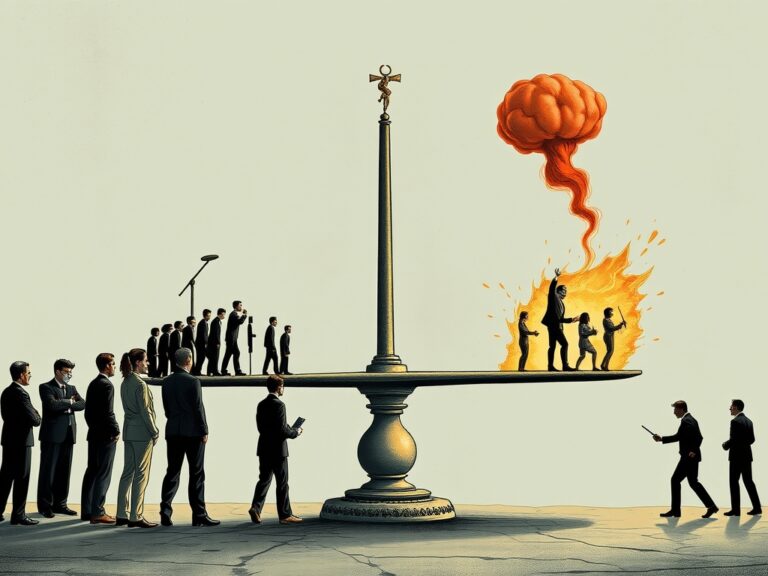
Beyond the hard numbers, we have to talk about human psychology—specifically, consumer confidence. Even if the numbers look decent on paper, if people feel nervous about the future, they tend to tighten their belts and stop spending. Consumer confidence indices survey thousands of households to see how optimistic they feel about their jobs and personal income. When consumers are optimistic, they spend, which boosts businesses and drives growth. Conversely, when fear sets in, the entire market can feel the chill, leading to a potential slowdown. This psychological indicator is often a leading signal, meaning it happens *before* the formal economy changes course. It serves as a great reminder that markets are ultimately driven by people, not just algorithms. Paying attention to how your neighbors and coworkers feel about the economy can actually be a surprisingly accurate barometer for future trends.
The Takeaway: Navigating the Noise
So, how can you apply this knowledge without getting lost in the weeds? First, start by following major financial news outlets and looking for recurring themes rather than reacting to single-day market jumps. Remember that market trends are often long-term stories, not instant snapshots of success or failure. Use tools like government websites—such as the Bureau of Labor Statistics—for raw, unbiased data whenever you feel unsure.
- Check major indices weekly.
- Pay attention to central bank announcements.
- Look for long-term patterns, not just noise.
Ultimately, your goal should be to build a buffer against economic volatility by staying educated and flexible. By understanding these core indicators, you are no longer just a passive observer of your financial destiny; you are a participant. Keep learning, stay patient, and remember that knowledge is the best asset you can hold during uncertain times. You have the tools now—go forth and keep a closer eye on that economic dashboard!