
Market Trends Simplified: A Plain-English Guide to Economic Indicators
Understanding Economic Indicators: The Pulse of the Market
Have you ever felt like financial news is written in a secret language designed to confuse everyone except Wall Street pros? You aren’t alone; economic indicators are essentially the vital signs of our global economy, and they are much easier to understand than they seem. Think of these indicators as a dashboard for a car; they tell us if we are cruising smoothly, accelerating too fast, or dangerously low on fuel. Whether you are an investor or just curious about your wallet, grasping these concepts is the ultimate hack for financial literacy. Market trends aren’t random; they are fueled by data points that impact everything from the price of your morning coffee to your 401(k) performance. In this guide, we will break down the most essential indicators using plain English. We want to demystify these trends so you can make smarter, more confident decisions in your daily life. Let’s dive into how these signals shape the world around us. By the end of this post, you will feel empowered to translate headlines into actionable insights. It is time to stop guessing and start understanding the heartbeat of the market.
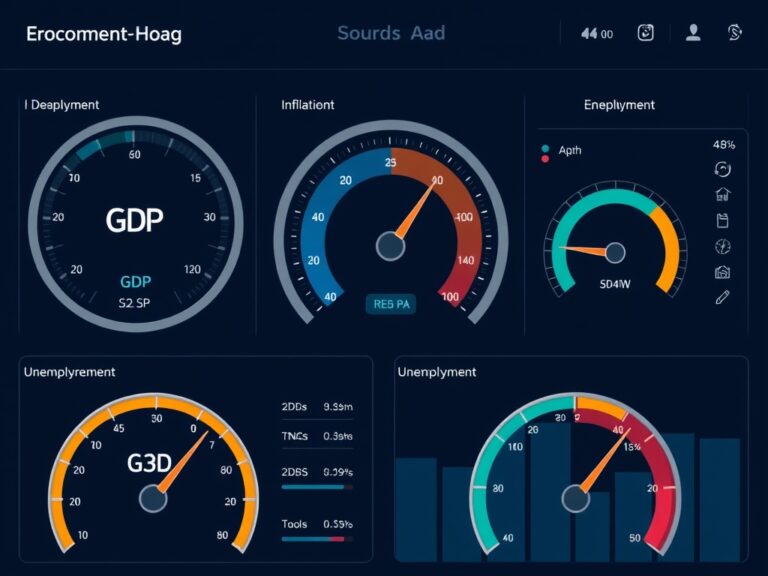
GDP: The Grand Total of Our Economic Health
The most famous indicator of them all is Gross Domestic Product (GDP), which is simply the total market value of all goods and services produced within a country. When you see news reports saying the economy is growing, they are usually talking about GDP figures increasing. It is the gold standard for measuring economic output and provides a snapshot of whether a nation is thriving or struggling.
- Positive GDP: Signifies a healthy, expanding economy with jobs being created.
- Negative GDP: Often suggests a contraction or a potential recession on the horizon.
- Real GDP: This version adjusts for inflation, giving us the most accurate picture of growth.
If the economy were a business, GDP would be its total revenue report. It helps policymakers decide whether to tighten or loosen monetary policy to keep things on track. Understanding this number is crucial because it sets the tone for market expectations. When companies produce more, they hire more, which eventually leads to higher consumer spending. It is a massive cycle, and GDP is the thermometer that tells us how warm or cold that cycle is running right now.
Inflation and Interest Rates: The Balancing Act
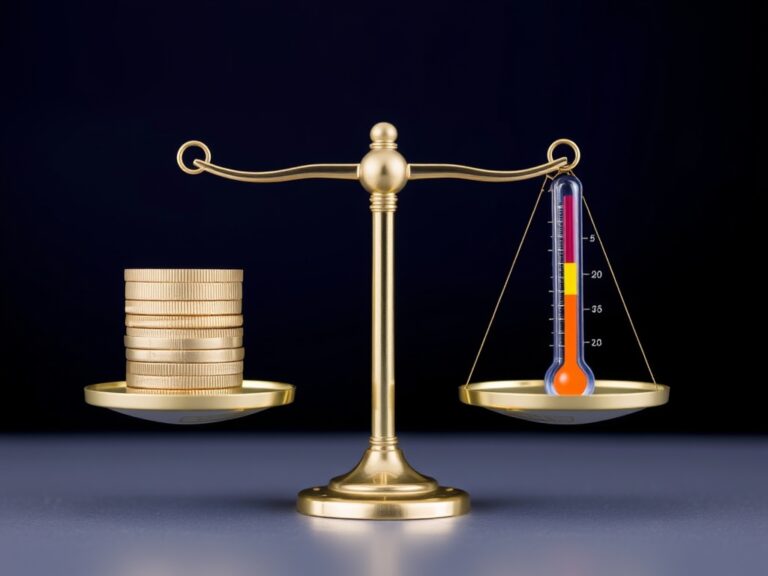
Next up, let’s talk about Inflation and Interest Rates, which are perhaps the most relatable indicators for your personal budget. Inflation is the rate at which the general level of prices for goods and services rises over time, effectively reducing your purchasing power. If your salary stays the same while prices climb, you are essentially losing money in real terms, which is why we monitor the Consumer Price Index (CPI) so closely. To keep inflation in check, central banks often manipulate interest rates; when they raise rates, borrowing money becomes more expensive. Key takeaways regarding this balance:
- Higher interest rates slow down spending, which helps cool off high inflation.
- Lower interest rates encourage businesses to borrow, which spurs growth but can trigger inflation.
- The goal is a ‘Goldilocks’ economy—not too hot, not too cold, but just right.
This tug-of-war is the defining feature of modern monetary policy. By paying attention to these shifts, you can predict whether your mortgage payment might change or if it is a good time to save versus invest. It is a delicate dance between maintaining stability and encouraging necessary growth for a prosperous future.
Unemployment Rates: The Labor Market Barometer
The Unemployment Rate is much more than just a statistic; it tells us how many people are actively looking for work but cannot find it. A low unemployment rate is generally a sign of a strong, robust economy, as it indicates that companies are hiring and consumers have disposable income to spend. However, economists also look at the Labor Force Participation Rate to get the full story, as some people may stop looking for work entirely.
- High Job Vacancies: Suggests businesses are confident and expanding operations.
- Low Hiring Rates: Can be a red flag that an economic downturn is approaching.
- Wage Growth: Often happens when unemployment is low, as companies compete for talent.
When people are employed, they buy houses, cars, and groceries, which keeps the economy moving forward. Conversely, if job losses start piling up, it creates a ripple effect of decreased spending across all sectors. Keeping an eye on monthly jobs reports is an excellent way to anticipate consumer sentiment before it fully hits the mainstream news. Remember, behind every percentage point is a real person and a family trying to navigate the complex economic landscape we live in today.