
Understanding Market Trends: A Plain-English Guide to Economic Indicators
Understanding the Pulse of the Market
Have you ever wondered why headlines seem to obsess over economic indicators like they are the secret code to our financial future? 📈 In simple terms, think of the economy as a massive, complex machine, and these indicators are the dashboard lights telling us if the engine is purring or overheating. Understanding these trends isn’t just for Wall Street traders or professional economists; it is a vital skill for anyone managing personal finances or running a small business. When we look at market trends, we are essentially reading the collective mood of consumers and corporations. By keeping an eye on data releases, you can anticipate shifts in interest rates, inflation, and job growth before they impact your wallet. It is all about separating the noise from the signal, so you can make informed decisions rather than guessing. Throughout this guide, we will break down the complex jargon into plain, actionable English. You don’t need a degree in finance to grasp these concepts, just a bit of curiosity. Let’s start our journey toward financial literacy by examining why these numbers carry so much weight in our daily lives.

The Big Three: GDP, Inflation, and Employment
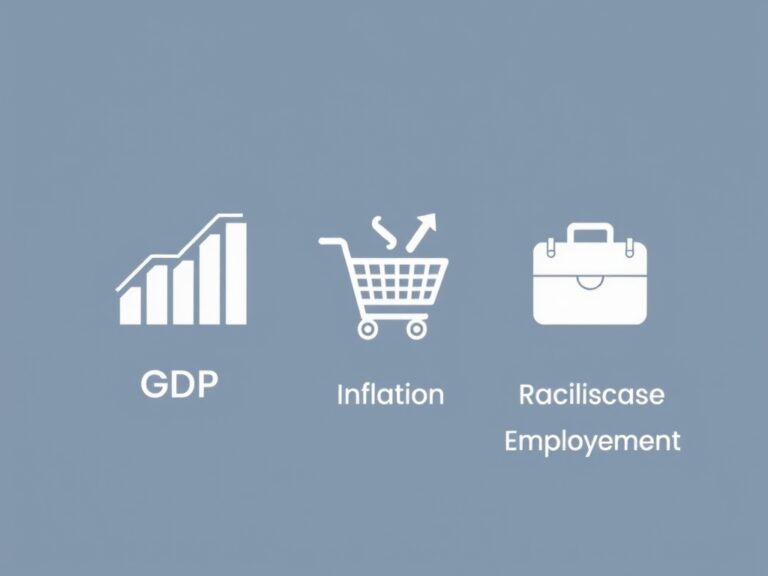
To really get a handle on economic health, we have to look at the ‘Big Three’ metrics that analysts track religiously. First, GDP (Gross Domestic Product) is the total value of all goods and services produced; think of it as the total size of the economic pie. 🥧 Second, Inflation, typically measured by the Consumer Price Index (CPI), tracks how quickly the cost of living is rising—basically, how much your dollar can buy today versus yesterday. Third, the Unemployment Rate tells us how many people are looking for work but can’t find it, which directly influences consumer spending power. Why do these matter?
- GDP growth indicates a thriving business environment.
- Stable inflation preserves your long-term purchasing power.
- Low unemployment usually signals a robust demand for services.
When these three indicators align, the economy is generally considered to be in a healthy state. However, when they diverge, it often signals an upcoming market correction or a shift in policy from the Federal Reserve. Keeping these in mind helps you contextually understand the ‘why’ behind the news stories you see on social media every morning.
How Interest Rates Sway the Market
Perhaps no single indicator moves markets faster than interest rates, which are set by central banks to manage the temperature of the economy. When rates are low, borrowing money is cheap, which encourages businesses to expand and consumers to take out loans for homes or cars. 🚗 Conversely, when rates rise to fight inflation, borrowing becomes expensive, which typically cools down spending and slows economic growth. This is the classic balancing act known as monetary policy, and it creates a direct ripple effect on everything from your mortgage payments to your investment portfolio. You can think of interest rates as the ‘speed limit’ of the economy; low rates press the gas, while high rates tap the brakes. As an investor or consumer, paying attention to central bank announcements is essential for planning your next big move. If you see rates climbing, it might be wise to pay off high-interest debt, whereas low-rate environments often favor aggressive investment strategies. By understanding this relationship, you can effectively position yourself to navigate both the boom and the bust cycles of the market without constant stress.
Putting It All Together: Your Financial Strategy
Now that you have a better grasp of the indicators, how do you actually use this information in your daily life? 💡 Start by following a few reputable financial news sources and observing how they report on these monthly data releases. You do not need to obsess over every daily tick, but getting a feel for the monthly trend lines is incredibly empowering. Remember that economic shifts usually don’t happen overnight; they are long-term trends that evolve over months or even years. Consistency is your best friend when it comes to reacting to market signals, as knee-jerk reactions often lead to poor decision-making. Focus on your long-term goals and use these indicators as a guidepost rather than a crystal ball. If you are a business owner, these trends can help you decide when to scale up your team or hold off on major capital investments. For the individual investor, they provide the context needed to maintain a balanced, diversified portfolio that can weather any storm. Keep learning, keep observing, and you will find that the economy becomes much less intimidating and much more manageable over time.