
Market Trends Simplified: A Plain-English Guide to Economic Indicators
Understanding the Economic Pulse: Why Market Trends Matter
Have you ever scrolled through financial news and felt like you were reading a foreign language? You aren’t alone; economic indicators can feel like an impenetrable wall of jargon for most of us. Think of these indicators as the vital signs of our global economy—they tell us whether the patient is thriving, struggling, or just cruising along. By simplifying these metrics, you can make smarter decisions about your personal finances and investments.
- GDP growth
- Inflation rates
- Unemployment numbers
These aren’t just dry data points; they are real-world signals that affect your mortgage rates, your grocery bill, and your job security. Learning to read these indicators is like gaining a superpower that lets you peek behind the curtain of the market. Let’s break down these complex topics into bite-sized pieces so you can navigate the financial landscape with confidence. It is all about connecting the dots between global events and your own wallet. We will keep things plain-English, conversational, and strictly useful for your daily life. Ready to master the basics of market trends? Let’s dive in together and demystify the numbers that shape our world.
The Big Picture: Gross Domestic Product (GDP) Explained
At its core, GDP is essentially the total scorecard for a country’s economic performance. Imagine if you tracked everything you bought, sold, and produced in a year—that’s your personal GDP. When we look at a nation, economists sum up all the goods and services produced to give us a single, powerful figure. Why should you care?
- Rising GDP usually signals business growth and more jobs.
- Falling GDP might indicate a slowdown or recession.
It is the most common way to measure the ‘temperature’ of the economy. If the GDP is growing, businesses are generally hiring, and consumers are spending money. If it stalls, businesses might tighten their belts, leading to slower wage growth or hiring freezes. Keeping an eye on quarterly GDP reports helps you understand the broad direction of the economy. It is the foundation upon which all other economic indicators are built. Think of it as the ‘big-picture’ lens for your financial planning.
The Stealth Tax: Inflation and Your Purchasing Power
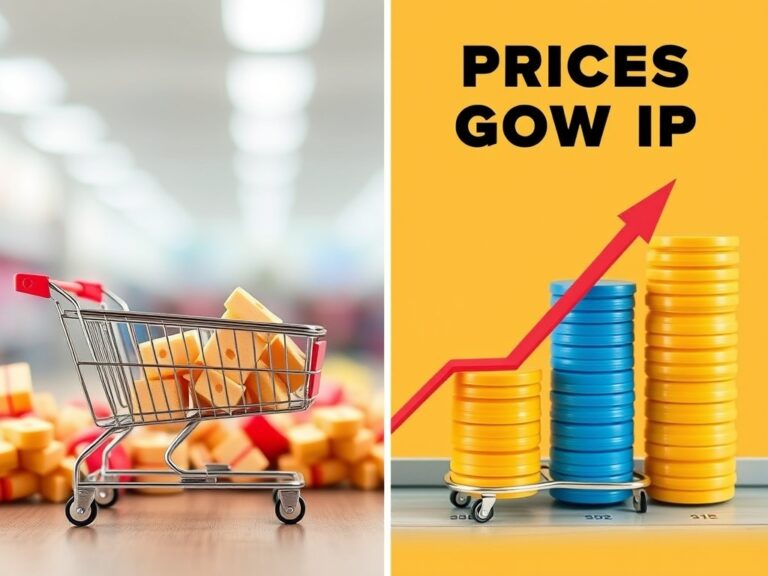
If GDP is the speed of the economy, inflation is the change in the price of the journey. Simply put, inflation measures how much the price of goods and services rises over time. When inflation is high, your dollar doesn’t stretch as far as it used to—that’s the shrinking purchasing power effect. You might notice this when you pay more for gas or see your favorite cereal box get smaller for the same price.
- CPI (Consumer Price Index) is the most common tool to track these price changes.
- Moderate inflation is often seen as a sign of a growing economy.
- Hyper-inflation, however, can make it difficult for households to plan their budgets.
Understanding inflation helps you decide whether to hold cash or invest in assets that might keep pace with rising costs. It is a critical piece of the puzzle for every saver and investor. By keeping an eye on CPI reports, you can anticipate changes in interest rates, which are often adjusted to keep inflation in check. Staying informed allows you to protect your wealth from the silent erosion of rising costs.
Labor Markets: Employment and the Human Element
Numbers mean nothing without people, and the unemployment rate is the most human of all economic indicators. This statistic measures the percentage of the labor force that is actively looking for work but can’t find a job. When this number is low, the labor market is ‘tight,’ which often means employers must offer higher wages to attract talent.
- Low unemployment is great for workers but can lead to inflation.
- High unemployment usually cools down spending and slows economic growth.
It is a delicate balancing act that central banks and policymakers watch like hawks. Why does it matter to you? Because your job security, your wage growth potential, and your career prospects are all tied to this statistic. If you are looking to change careers or negotiate a raise, understanding the health of the labor market is essential. It tells you if you have the upper hand in salary discussions. Always look for the ‘Non-Farm Payrolls’ report for the latest scoop on job creation across the nation. This is your reality check for the job market, stripped of all the corporate fluff.