
Foundational Concepts for Building Long-Term Wealth: A Strategic Guide
Mastering the Mindset of Financial Freedom
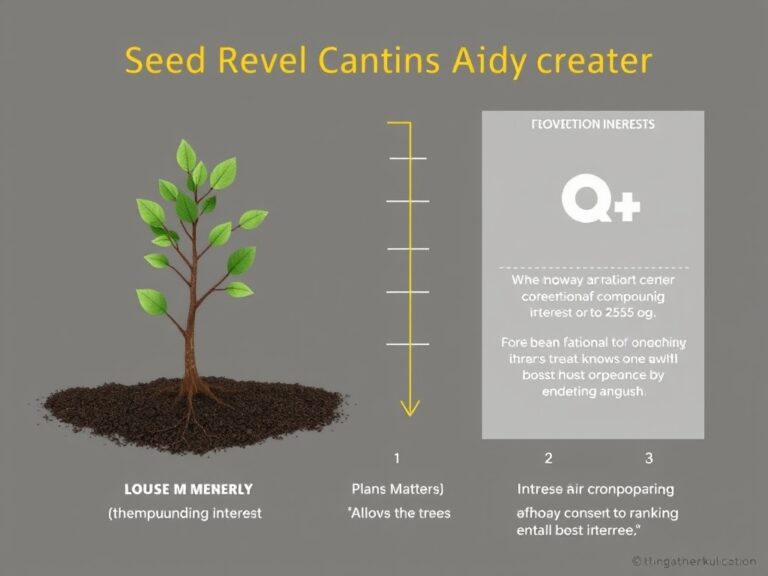
Building long-term wealth isn’t just about picking the right stocks; it’s a fundamental shift in your psychological approach to money. Many people believe that wealth is purely about the paycheck, but true financial independence is rooted in discipline, patience, and strategic planning. To start, you must differentiate between assets—things that put money in your pocket—and liabilities, which take it out. Ask yourself: are you building a foundation of capital, or are you just funding a lifestyle? It is crucial to set clear, actionable goals that guide every financial decision you make. By cultivating a ‘wealth-first’ mindset, you stop viewing your income as fuel for consumption and start seeing it as a seed for future growth. Remember, even the smallest amount invested early creates a compounding effect that changes your trajectory forever. Take a moment to evaluate your current habits and identify one area where you can trade instant gratification for long-term gains. Building wealth is a marathon, not a sprint, so embrace the journey of learning and adapting as you grow. 💡 Start by tracking every dollar to understand your cash flow patterns intimately.
The Power of High-Yield Savings and Strategic Budgeting
Before you dive into complex investments, you must secure your financial perimeter with a robust budget and an emergency fund. Think of your budget not as a restriction, but as a blueprint for your financial desires. You need to identify your fixed costs versus your variable expenses to optimize your monthly savings rate effectively.
- Prioritize a 3-6 month emergency fund.
- Automate your savings transfers immediately after payday.
- Eliminate high-interest debt that drains your cash flow.
By automating your financial life, you remove the emotional burden of manual saving and ensure consistency. Many experts suggest using the ’50/30/20 rule’ as a baseline: allocate 50% to needs, 30% to wants, and 20% to savings and investments. Once you have a handle on your monthly cash flow, it becomes much easier to identify surplus capital that can be diverted into wealth-building vehicles. Monitoring your progress is essential, as what gets measured, gets managed. Don’t be afraid to adjust your budget seasonally to account for life changes and new financial opportunities. Ultimately, consistency in these basic actions creates the safety net required to take calculated risks in the market later on.
Diversification: The Secret to Long-Term Wealth Sustainability
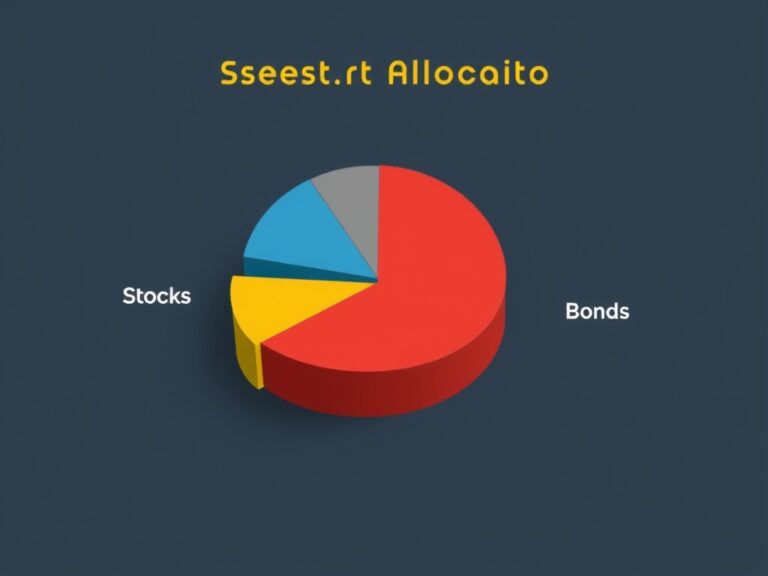
Diversification is the bedrock of any sound investment strategy because it effectively manages your risk while capturing market gains. You should never put all your eggs in one basket, as market fluctuations can be unpredictable and harsh to the uninitiated investor. Building a balanced portfolio means spreading your investments across various asset classes such as stocks, bonds, real estate, and index funds. By doing this, you minimize the impact of a downturn in any single sector while positioning yourself to benefit from broader economic growth. For the average investor, low-cost index funds represent a highly efficient way to gain exposure to the entire market with minimal effort. Consider the long-term impact of asset allocation: keeping a mix that aligns with your risk tolerance is vital for staying the course during volatility. Stay educated about global economic trends to understand why certain assets move in opposite directions. It is also wise to periodically rebalance your portfolio to ensure it still reflects your initial risk appetite and time horizon. Remember that you are building wealth for decades, not just for the next fiscal quarter, so keep your eyes on the horizon.
Harnessing the Miracle of Compounding Interest
If there is one ‘magic’ ingredient to building long-term wealth, it is undoubtedly the power of compounding. Albert Einstein famously called it the eighth wonder of the world, and for good reason: it allows your money to work as hard as you do, if not harder. When you reinvest your earnings, your original principal grows, and the interest earned also begins to earn interest, creating an exponential upward curve. Time is your greatest asset here, and even small contributions made consistently can balloon into substantial wealth over twenty or thirty years.
- Start investing as early as possible to maximize your time in the market.
- Avoid withdrawing your returns to allow the compounding effect to remain unbroken.
- Reinvest all dividends and capital gains to accelerate the process.
The math is simple, but the execution requires extreme patience and the ability to ignore ‘get rich quick’ schemes. Focus on high-quality investments that provide steady growth over the long run rather than chasing speculative trends. While the initial growth might seem slow, the back-end momentum is where the true wealth accumulation happens. Keep your focus on your long-term goal, and trust that the consistency of your efforts will eventually yield significant rewards. Stay disciplined, keep contributing, and let the market do the heavy lifting for you as time works in your favor.