
Mastering the Foundational Concepts for Building Long-Term Wealth
Understanding the Wealth-Building Mindset
Building long-term wealth isn’t just about how much you earn; it is fundamentally about how much you keep and how effectively that money works for you. Wealth creation is a marathon, not a sprint, and mastering the foundational concepts requires a shift in perspective. You need to stop viewing your income as just a way to pay bills and start seeing it as a seed for your future freedom. It begins with the habit of discipline—consistently allocating a portion of your paycheck before you even consider discretionary spending. Consider the ‘Pay Yourself First’ principle, which essentially prioritizes your future self above temporary desires. By automating your savings, you remove the emotional burden of choice, making wealth building an automatic part of your lifestyle. Remember, financial independence is rarely an accident; it is the deliberate result of small, consistent actions taken over a decade or two. When you commit to this journey, you are essentially buying back your future time, which is the most valuable asset you own. Start small if you must, but start with an unwavering commitment to your long-term success. It is time to treat your personal finances with the same strategic focus you would apply to a professional endeavor. Are you ready to stop surviving and start thriving?

The Magic of Compound Interest
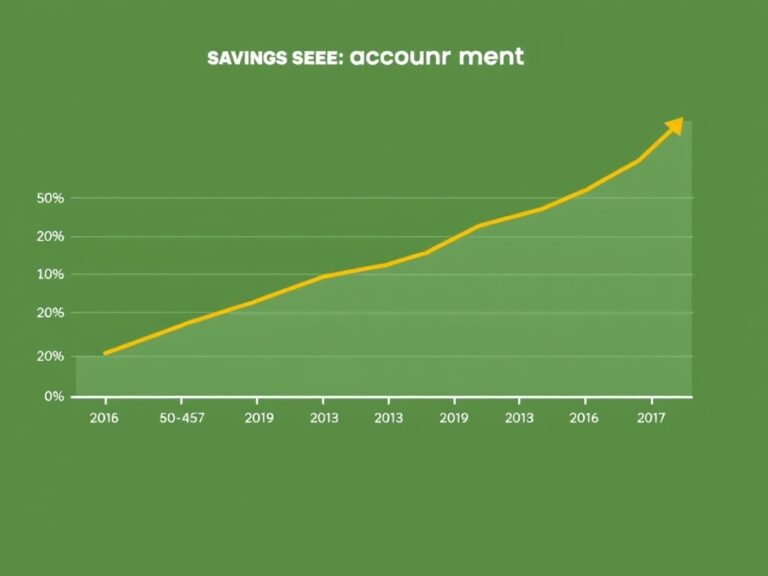
If there is one ‘secret’ to wealth that everyone should respect, it is the power of compound interest, often called the eighth wonder of the world. Compound interest allows your money to earn interest on interest, leading to an exponential growth curve that can feel almost magical over time.
- Start early to give your money more time to grow.
- Increase your contributions as your income rises to accelerate the process.
- Stay invested through market volatility to capture long-term gains.
When you let your earnings reinvest, you create a snowball effect where your capital eventually does more work than your actual labor. Many people make the mistake of waiting until they feel ‘wealthy’ to invest, but the best time to invest is right now, regardless of the amount. Even small, recurring contributions can transform into significant sums thanks to the passage of time. Think of it as planting a tree; the best time was twenty years ago, but the second best time is today. Do not be intimidated by the jargon of finance; the concept itself is simple: invest, reinvest, and wait. By focusing on time rather than timing the market, you position yourself to build sustainable wealth that can withstand the ups and downs of the economic cycle. It is a fundamental shift from ‘working for money’ to having your money work for you.
Diversification: Your Financial Safety Net
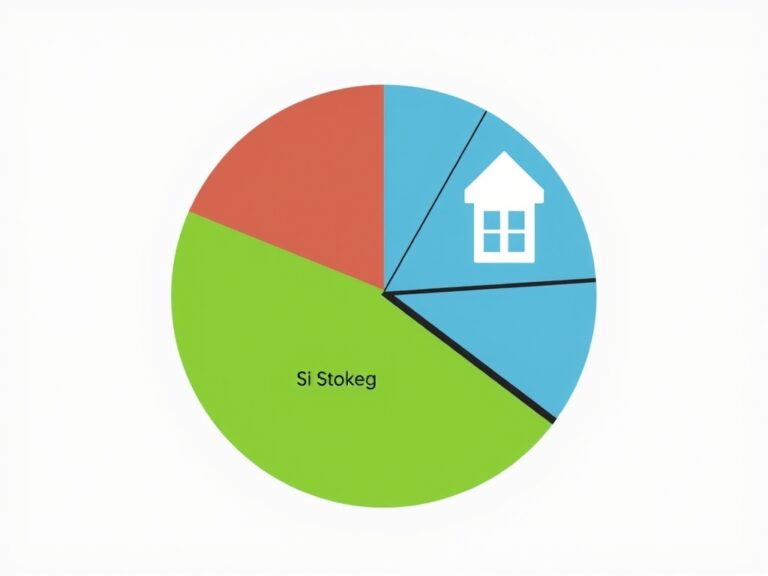
A crucial pillar of a robust wealth strategy is diversification, the practice of spreading your investments across various asset classes to minimize risk. You have likely heard the old adage about not putting all your eggs in one basket, and in the world of finance, this is a golden rule. By holding a mix of stocks, bonds, real estate, and cash, you protect your portfolio from being devastated by a downturn in any single sector. A well-diversified portfolio is designed to be resilient, allowing you to participate in market growth while tempering the impact of volatility. Asset allocation is the process of choosing the right mix based on your age, risk tolerance, and time horizon. As you get closer to your financial goals, your risk tolerance might shift, necessitating a periodic rebalancing of your holdings to keep your strategy on track.
- Research low-cost index funds for broad market exposure.
- Consider individual stocks only if you have the time for deep analysis.
- Use real estate as a hedge against inflation.
This approach allows you to sleep better at night, knowing your wealth isn’t tied to a single point of failure. Wealth building is as much about risk management as it is about earning, and diversification is your primary tool for navigating uncertainty. Always aim for a portfolio that aligns with your long-term vision, not your short-term fears.
Mastering Financial Literacy and Habits
Finally, none of the strategies mentioned above will matter if you don’t cultivate strong financial habits and ongoing literacy. Building wealth is a skill that you sharpen through education, practice, and the occasional trial and error. Make it a point to track your expenses, as you cannot optimize what you do not measure. Use tools like budgeting apps to stay accountable and identify leaks in your spending that could be redirected toward high-yield investments. Lifestyle inflation is the silent killer of wealth; as your income increases, try to keep your expenses relatively flat. This ‘gap’—the difference between what you earn and what you spend—is the engine of your wealth building. Stay curious, read widely about finance, and keep an open mind about new opportunities to grow your net worth. Surround yourself with people who prioritize financial growth, as your environment often dictates your habits more than you realize. Remember that the ultimate goal is not just a high bank balance, but the freedom to live life on your terms. By mastering these foundational concepts, you are building a bedrock that will support your dreams for decades to come. Your future self will thank you for the diligence and consistency you demonstrate today. Stay focused, keep learning, and trust the process of slow but steady accumulation.