
Market Trends and Economic Indicators Explained in Plain English
Understanding the Pulse of the Global Economy
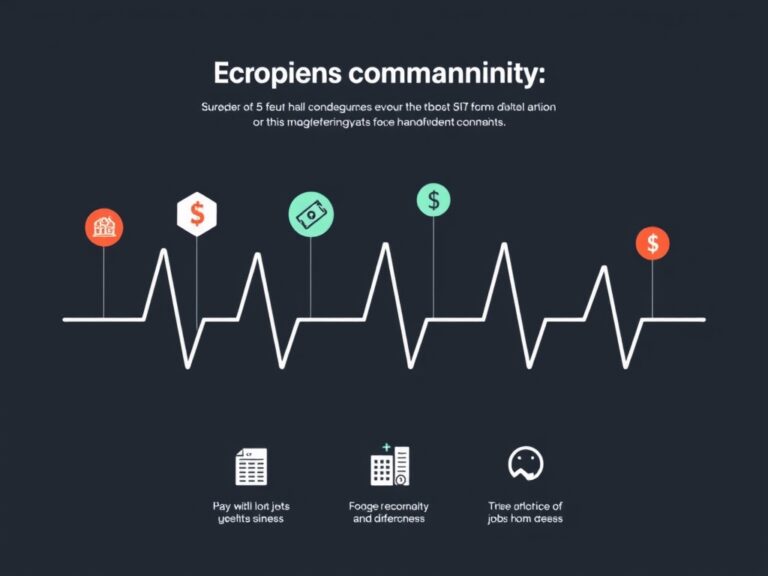
Have you ever wondered why the stock market seems to dance to its own rhythm while your grocery bill keeps climbing? Understanding market trends and economic indicators doesn’t require a PhD in finance; it just takes a bit of curiosity and the right perspective. Think of the economy as a massive, living organism, and these indicators are essentially its vital signs, telling us whether it is thriving, struggling, or just cruising along. In this post, we are going to break down these complex concepts into plain English so you can make sense of the financial headlines. Whether you are an investor, a business owner, or just a curious individual, grasping these basics will give you a major advantage. We will explore the big three: Inflation, GDP, and Unemployment. By the end, you will see how these data points influence everything from your mortgage rates to your career growth. Let us peel back the layers of the financial world together! It is not as scary as it sounds, and quite frankly, it is actually pretty fascinating once you connect the dots. Remember, knowledge is power when it comes to navigating your financial future.
What is GDP and Why Does it Matter?
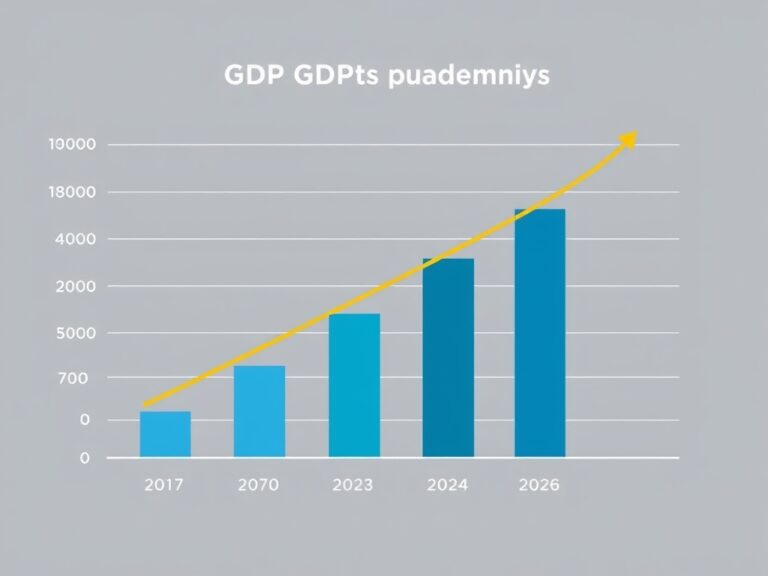
Gross Domestic Product, or GDP, is essentially the total scorecard for a country’s economic activity over a specific period. Imagine it as the combined value of every product and service sold, from your morning cup of coffee to the construction of a new skyscraper downtown. When GDP is growing, it usually means businesses are hiring, people are spending, and the economic engine is humming with energy. However, if that number starts to shrink, we enter what economists call a recession, which is a period of contraction that can lead to tighter budgets.
- GDP growth indicates a healthy demand for goods.
- A decline suggests consumers are pulling back.
- It serves as the main benchmark for government policy decisions.
By keeping an eye on GDP reports, you can get a sense of whether the economy is expanding or cooling off. It is the gold standard for measuring national prosperity and a critical indicator for long-term investments. If you see the GDP growth rate climbing steadily, it is generally a sign of a robust and healthy market environment. Understanding this single figure can help you anticipate shifts in corporate earnings and broader market sentiment. Just keep in mind that GDP is a lagging indicator, meaning it tells us where we have been rather than exactly where we are going right now.
Inflation: The Silent Tax on Your Wallet
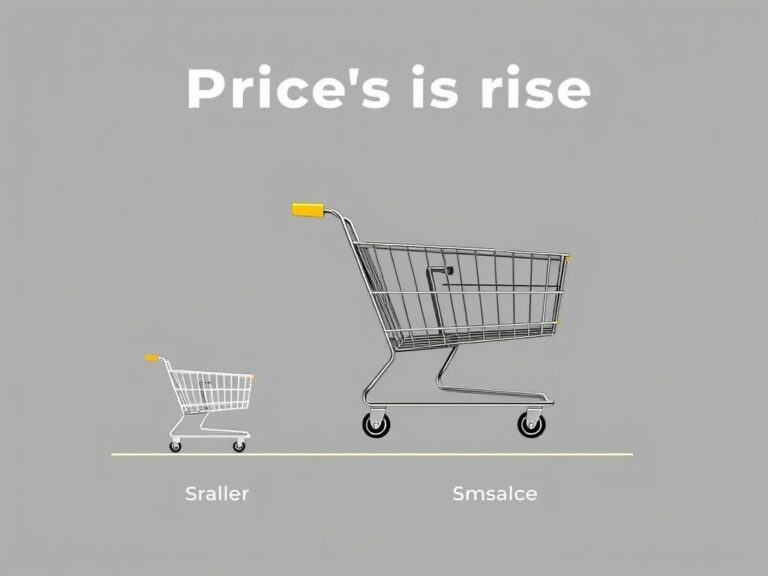
We have all felt the sting of inflation, even if we did not call it by that name at the time. Essentially, inflation is the rate at which the general level of prices for goods and services rises, effectively shrinking your purchasing power. If your money does not buy as much today as it did a year ago, you are experiencing the effects of an inflationary environment. While a little inflation is often seen as a sign of a growing economy, too much of it can quickly become problematic for households and retirees. Central banks like the Federal Reserve monitor this closely, often adjusting interest rates to keep price increases in check. Key drivers of inflation include:
- Increased consumer demand (Demand-pull).
- Higher costs of raw materials or labor (Cost-push).
- Expansion of the money supply in the economy.
When inflation runs hot, businesses raise prices to cover their own increased costs, creating a ripple effect across every sector. It is important to distinguish between ‘good’ inflation, which encourages spending, and ‘runaway’ inflation, which erodes savings and complicates long-term planning. By keeping a close watch on the Consumer Price Index (CPI), you can stay informed about how fast prices are moving in your area. Managing your personal budget during high inflation requires a proactive mindset and careful spending choices.
The Unemployment Rate and Labor Market Health
Finally, we have the unemployment rate, which is perhaps the most human-centric economic indicator we have. It measures the percentage of the labor force that is actively looking for work but cannot find a job at the moment. A low unemployment rate typically signals a ‘tight’ labor market, where businesses have to compete for talent, often leading to better wages and benefits for employees. On the flip side, high unemployment suggests a struggle for businesses and a lack of disposable income for consumers, which drags down overall economic growth. Why is this so important for you?
- Low unemployment often pushes wages up.
- It correlates directly with consumer confidence levels.
- High job security leads to increased household spending.
When people are employed and earning steady paychecks, they are more likely to participate in the economy by buying homes, cars, and services. This cycle of employment and spending is the heartbeat of a stable market. Economists also watch ‘underemployment’—people working part-time who want full-time roles—to get a clearer picture of the real labor market. Monitoring this data provides a glimpse into the health of your local community and the country at large. It is not just a statistic; it is a direct measure of our collective ability to sustain our standard of living.