
10 Essential Foundational Concepts for Building Long-Term Wealth
Mastering Your Financial Foundation: 10 Pillars for Wealth
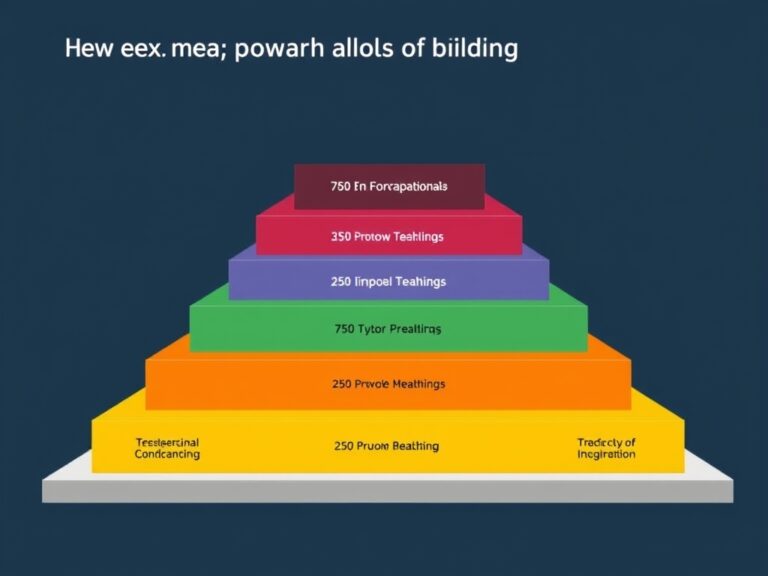
Building long-term wealth isn’t just about picking the right stocks; it’s about mastering the fundamental behaviors that govern your financial life. Think of your finances like building a skyscraper; if you don’t have a solid foundation, the whole thing is prone to collapse. The first essential concept is financial literacy, which means understanding how money truly works, from interest rates to inflation. You must also prioritize budgeting, not as a restriction, but as a roadmap for your hard-earned cash. It is vital to recognize that consistent saving beats sporadic windfall gains every single time. By tracking your income and expenses, you gain clarity that few people ever achieve. Remember, your financial journey is a marathon, not a sprint, and patience is your greatest ally. Start by auditing your current habits, identifying leaks in your cash flow, and setting clear, measurable goals for your future success. Establishing these habits early on transforms your financial trajectory entirely, turning small steps into monumental progress over the decades to come. Don’t worry about being perfect; just focus on being intentional and consistent with your financial decisions every single day.
The Power of Compounding and Strategic Debt Management
Next, we must talk about the magic of compound interest and how it acts as a massive multiplier for your wealth. Albert Einstein supposedly called it the eighth wonder of the world, and he was absolutely right about its life-changing potential. Compound growth works best when you start early, allowing your money to earn interest on your interest, creating a snowball effect. Conversely, high-interest debt is the antithesis of wealth creation, effectively working against your progress like a heavy anchor. You should focus on eliminating bad debt, such as credit cards, before aggressively pursuing high-risk investments. A balanced approach involves using debt strategically for assets that appreciate in value rather than for depreciating consumer goods.
- Prioritize paying off high-interest balances
- Automate your monthly contributions to investment accounts
- Understand the difference between ‘good’ debt and ‘bad’ debt
By managing your liabilities effectively, you free up more capital to invest in your future growth. This phase of wealth building requires discipline and a sharp eye on your debt-to-income ratio. Once your debt is under control, your capital can finally begin to work for you rather than for the banks. It is about shifting your mindset from being a consumer to being a deliberate builder of capital.
Diversification, Risk Tolerance, and the Long Game
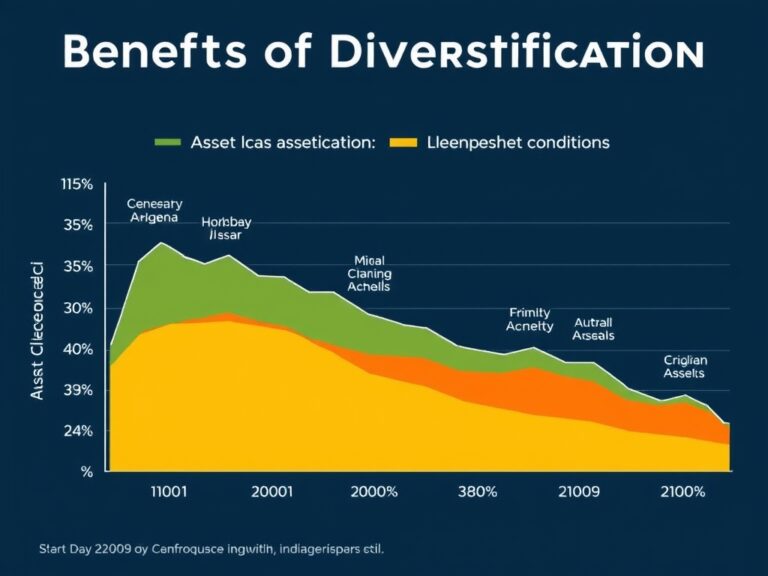
Achieving stability requires smart diversification, which protects you from the volatility inherent in every market sector. You should never put all your eggs in one basket, as this exposes you to unnecessary risks that can wipe out years of hard work. Instead, consider building a portfolio across different asset classes like stocks, bonds, real estate, and even commodities. Understanding your personal risk tolerance is critical because it dictates how much market fluctuation you can stomach during downturns. A well-diversified portfolio doesn’t just protect your downside; it positions you to capture gains from various parts of the economy. Never chase ‘get rich quick’ schemes, as they usually end in tears and depleted accounts. Long-term investing is about holding quality assets and letting them weather the natural storms of the market cycle. Keep your focus on your long-term objectives and avoid the emotional trap of panic-selling during temporary dips. Educate yourself on the historical performance of your investments to stay calm when headlines turn pessimistic. Remember, wealth is built by people who stay invested through the thick and the thin, not by those who jump in and out of the market. Staying the course is often the hardest, yet most rewarding, financial decision you will ever make.
Protecting Your Assets and Expanding Your Mindset
Finally, we look at the importance of wealth protection and the continuous evolution of your financial mindset. You have worked hard to accumulate assets, so it is imperative to use tools like insurance, legal structures, and emergency funds to keep them safe. An emergency fund is your safety net, ensuring you don’t have to liquidate your investments when life throws an unexpected curveball. Furthermore, investing in your own human capital—your skills and your earning potential—is often the highest return on investment you will ever find. Keep learning, stay curious about the economy, and adapt your strategies as your career and life circumstances change. Tax optimization is another sophisticated layer that, when done legally and effectively, keeps more money in your pocket over the long run. Surround yourself with mentors or financial professionals who challenge your thinking and help you stay on the path toward your ultimate financial independence. Building wealth is a lifelong journey of discipline, learning, and refinement that pays dividends far beyond just your bank account balance. By adopting these foundational concepts, you are choosing a path of empowerment, security, and true financial freedom. Take action today, be patient with the process, and watch as your foundational efforts build the legacy you desire.