
Market Trends Explained: A Plain-English Guide to Economic Indicators and Price Movements
Understanding the Pulse of the Markets
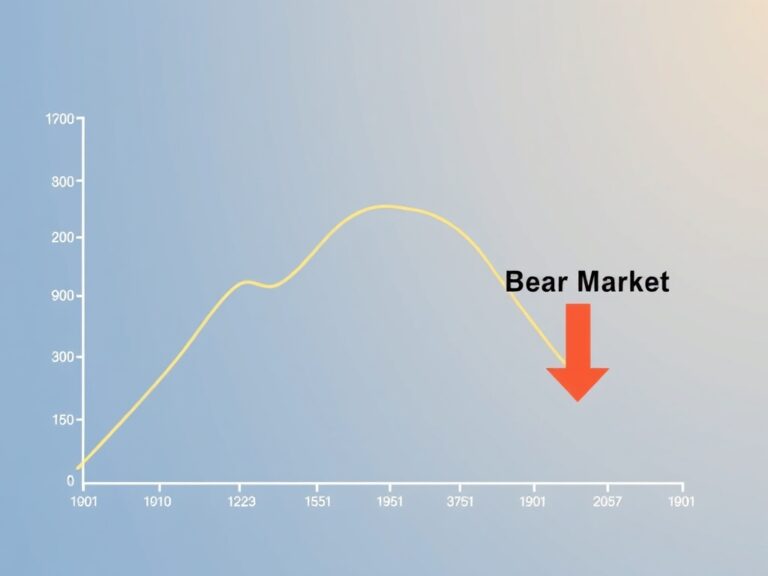
Have you ever looked at the financial news and felt like you were trying to decipher an alien language? You are certainly not alone, as market trends can often feel like a chaotic storm of data, but understanding them is the secret key to smarter investing. At its core, a market trend is simply the general direction in which a market or the price of an asset is moving over a specific period of time. Think of it like a river flowing toward the ocean; even if there are small ripples or eddies moving backward, the current is clearly pushing forward. To navigate this, we look at economic indicators, which act like a dashboard for the entire economy’s health. These indicators, such as GDP growth, unemployment rates, and consumer confidence, provide the raw data that shifts investor sentiment. When these metrics look strong, the ‘bullish’ trend takes hold, leading to optimism and rising prices. Conversely, weak data can trigger a ‘bearish’ shift, where caution replaces confidence. Understanding these movements isn’t about having a crystal ball, but rather about learning to read the signs that are already there. By the end of this guide, you will feel much more confident in interpreting these complex signals yourself.
Key Economic Indicators You Must Watch
When it comes to tracking price movements, specific economic indicators carry more weight than others. First on our list is the Consumer Price Index (CPI), which is the gold standard for measuring inflation. If prices for everyday goods go up, it usually forces central banks to adjust interest rates, which directly impacts how you invest.
- Interest Rates: The heartbeat of market momentum; when rates rise, borrowing becomes expensive and stock growth often slows down.
- GDP Growth: This tells us if the economy is expanding or contracting; a healthy, growing GDP is usually great news for stock prices.
- Unemployment Data: High employment suggests a strong consumer base, which usually fuels corporate profits.
- Retail Sales: This is the ultimate proof of how much cash is actually flowing into businesses.
These indicators don’t just exist in a vacuum; they interact to create the volatile environment we call the stock market. For instance, if inflation is high but unemployment is low, the Fed might raise rates, causing a temporary market dip. By keeping a close eye on these four pillars, you can avoid being blindsided by sudden market swings. Remember, knowledge is your best hedge against market uncertainty. Investing is not just about picking winners; it is about understanding the broader economic context of your choices.
How News and Sentiment Drive Price Action
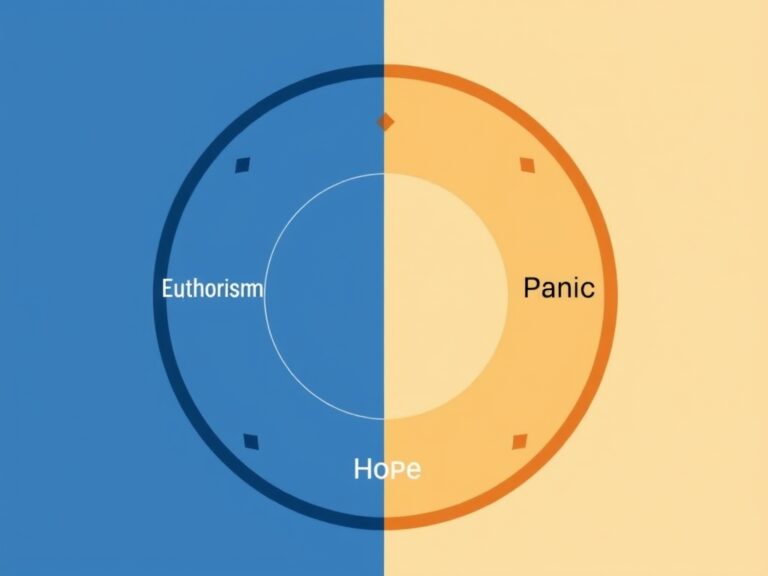
While economic data gives us the foundation, investor sentiment is what builds the skyscrapers of market movement. Often, the market doesn’t react to what *is* happening, but rather to what people *think* will happen in the near future. This forward-looking nature is exactly why you might see a stock price rise even when a company reports a loss; investors were already expecting the bad news, and the reality wasn’t as dire as they feared. Market psychology is a fascinating beast that can override fundamental logic for weeks or even months at a time. It is driven by two primal emotions: fear and greed. Greed keeps the market rising as people pile in to avoid missing out on profits, while fear creates the sharp, sudden drops we call market corrections. To succeed, you must learn to detach your own emotions from these broader waves of sentiment. When the crowd is running in one direction, take a moment to step back and look at the actual economic data we discussed earlier. Are the price movements supported by real value, or is this just a bubble formed by hype? Being able to distinguish between a temporary emotional spike and a fundamental shift is what separates the average investor from the professional.
Practical Tips for Navigating Trends
Now that you have a grasp on the ‘why’ behind these trends, it is time to talk about the ‘how’ for your personal portfolio. First and foremost, diversification is your best friend in any market cycle because it prevents any single asset from sinking your entire strategy. Even when the broader market is in a downtrend, certain sectors—like utilities or consumer staples—often hold their ground better than others. You should also practice patience, as reacting to every single day-to-day fluctuation is the fastest way to lose money on transaction fees and poor timing. Instead, focus on the long-term trend rather than the noise of daily price movements. If you find the complexity overwhelming, consider dollar-cost averaging, which allows you to invest a fixed amount regularly regardless of where the market is today. This strategy takes the stress out of ‘timing the market’ and puts time in the market to work for you. Always keep a portion of your portfolio in cash or cash equivalents, giving you the dry powder to buy quality assets when fear drives prices down. Finally, stay curious and keep reading credible financial news sources to refine your understanding of how current events shift the landscape. The more you learn, the less daunting the charts will seem. You have the tools, the insights, and the strategy—now go forth and invest with clarity and confidence!