
Foundational Principles for Building Long-Term Wealth: A Strategic Guide
Mastering Your Money Mindset: The First Step to Wealth
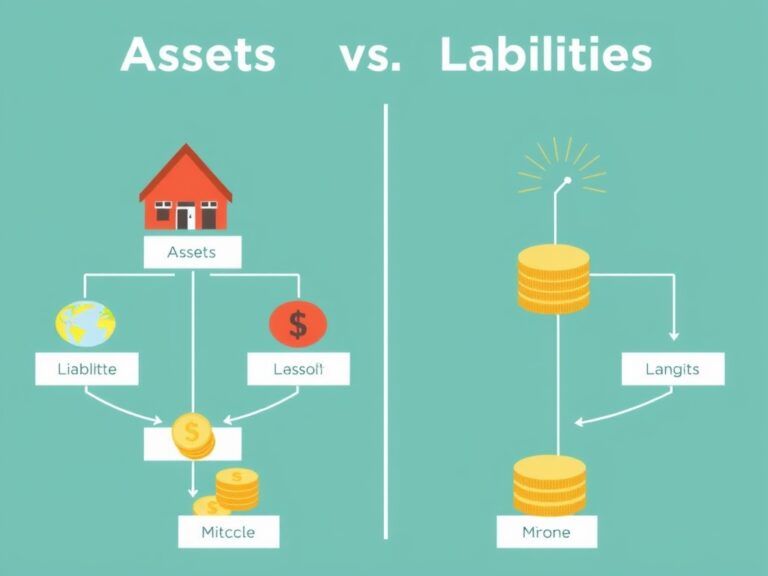
Building long-term wealth isn’t just about picking the right stocks; it begins with cultivating a growth mindset regarding your personal finances. Many people feel intimidated by the world of investing, but I promise that once you understand the fundamentals, it becomes much less daunting. 📈 To start, you must distinguish between assets (things that put money in your pocket) and liabilities (things that take money out). Think of wealth-building as a marathon rather than a sprint, where consistency beats intensity every single time. It is crucial to set clear, actionable goals—like reaching a specific savings milestone or achieving debt freedom—because having a destination makes the journey much easier. We often focus on earning more, but saving smarter is the hidden engine behind true financial independence. Remember, your financial future is not dictated by your current income but by how you allocate the resources you have. By shifting your focus from short-term gratification to long-term security, you are already ahead of 90% of the population. Let’s look at the core habits that successful wealth-builders share:
- They automate their savings.
- They live below their means.
- They prioritize high-interest debt repayment.
Take a moment today to reflect on your ‘why’—your motivation is the fuel that will keep you going when markets fluctuate or life gets complicated.
The Magic of Compounding and Time
If there is one secret ingredient to building lasting wealth, it is the power of compound interest. Albert Einstein reportedly called it the eighth wonder of the world, and once you see the math, you will understand why. ⏳ By investing early and consistently, you allow your money to earn interest on top of previously earned interest, creating a snowball effect. This is why waiting for the ‘perfect time’ is a trap; in reality, the best time to start is always today. Even small, regular contributions to an investment account can grow into a significant nest egg over several decades thanks to this mathematical miracle. The key here is patience, as compounding works most dramatically over long time horizons. 🌟 Don’t get distracted by the daily news cycle or market volatility, as these are merely bumps in the road to long-term prosperity. Instead, look at historical data which shows that consistent investors almost always win over the long haul. To make this work for you, try to follow these steps:
- Start investing with whatever amount you can afford.
- Increase your contributions incrementally each year.
- Stay the course even when the market feels uncertain.
Compounding is a slow-motion transformation that turns pennies into a retirement paradise if you simply remain disciplined and avoid the urge to cash out too early.
Strategic Asset Allocation for Long-Term Growth
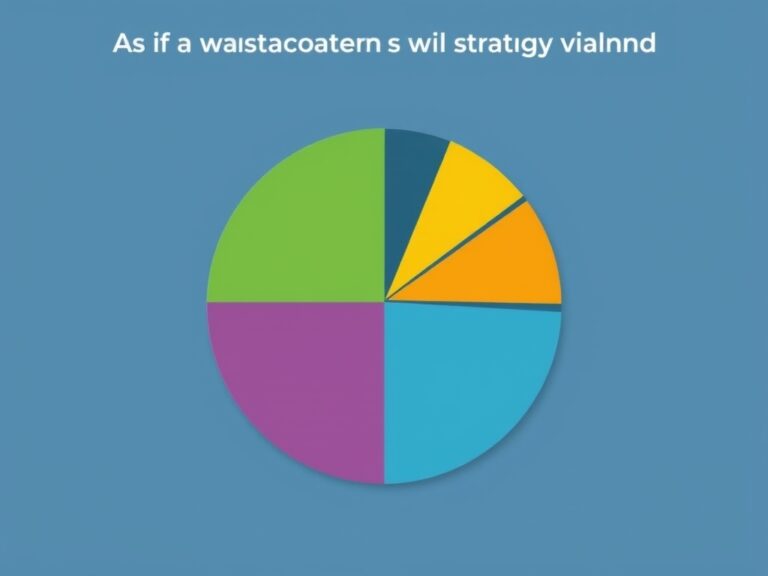
Diversification is not just a buzzword; it is a critical safety net that protects your portfolio from unnecessary risk. 🛡️ By spreading your investments across different asset classes like stocks, bonds, real estate, and low-cost index funds, you minimize the chance of a single market downturn wiping out your progress. Think of your portfolio as a well-balanced diet; you wouldn’t eat only candy, and you shouldn’t invest in only one type of asset. A strategic approach involves aligning your risk tolerance with your long-term objectives. If you are younger, you might lean more into growth-oriented assets, while those nearing retirement might prioritize stability and capital preservation. It is also important to consider the role of low-cost index funds, which offer broad market exposure without the high management fees that eat into your returns over time. Don’t feel pressured to pick ‘winning’ stocks, as that is a game even the pros struggle to win; instead, invest in the entire market. 🎯 Your plan should look something like this:
- Core Portfolio: Broad market index funds for steady growth.
- Satellite Portfolio: A small portion for specific sectors or individual stocks you believe in.
- Fixed Income: Bonds to balance volatility.
By keeping things simple and cost-effective, you maximize your net returns and keep more money where it belongs—in your pocket.
Automating Your Financial Success
In our busy modern lives, the biggest barrier to wealth building is often our own forgetfulness or lack of willpower. That is why automation is the ultimate tool for financial success. 🚀 By setting up automatic transfers from your paycheck to your savings and investment accounts, you treat your wealth-building as your most important ‘bill’ each month. This ‘pay yourself first’ mentality ensures that you are saving before you have a chance to spend your money on non-essential items. It removes the emotional weight of making a decision every month and guarantees progress even when life gets hectic. You will be surprised at how quickly your accounts grow when you don’t even notice the money leaving your primary checking account. 💰 Think of it like a background process on your computer—it runs seamlessly without requiring your constant attention. If you haven’t automated yet, start with these simple steps:
- Set up an auto-deposit to your high-yield savings account.
- Configure your brokerage account to pull funds every payday.
- Directly deposit your tax refunds into an IRA or investment account.
By removing human error from the equation, you eliminate the temptation to skip a month, which is often the silent killer of long-term financial plans. Automate now, and let technology do the heavy lifting while you focus on living your best life.