
Market Trends and Economic Indicators Explained: A Plain-English Guide
Understanding the Pulse of the Market: Why It Matters
Have you ever wondered why the news gets so worked up about market trends and economic indicators? It can feel like a secret language, but honestly, it is just a pulse check on the world’s financial health. Think of the economy like a living organism; indicators are the vital signs that tell us if it is thriving, struggling, or just cruising along. By learning to read these signals, you shift from being a passive observer to an informed participant. Whether you are looking to invest, starting a business, or just trying to navigate your personal finances, having a grip on these concepts is an absolute game-changer. We are going to strip away the complex jargon and look at what really drives these shifts. It is not about predicting the future with a crystal ball, but rather making smarter, data-driven decisions. Ready to demystify the financial world and feel more confident in your choices? Let’s dive into the core components that shape our economic landscape, one indicator at a time, making it easy and actionable for you. You don’t need a degree in economics to see the patterns that affect your daily life.
Key Economic Indicators: The Vital Signs
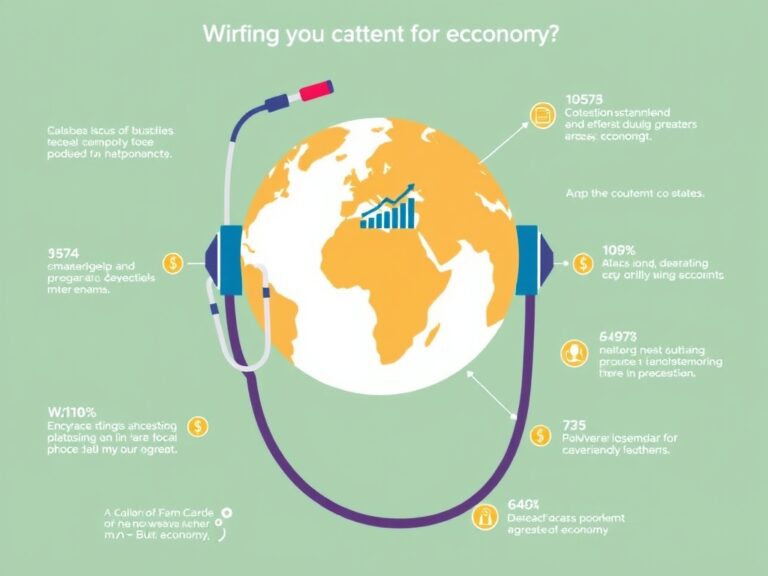
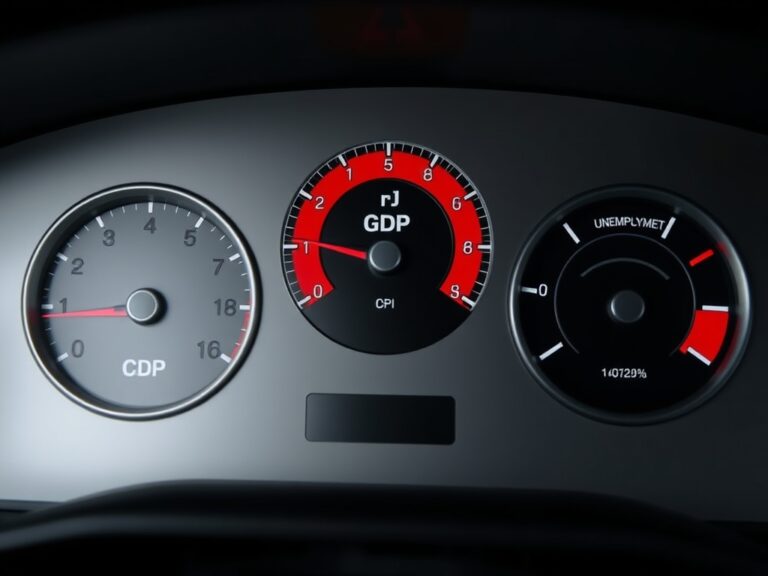
So, what exactly are we looking at? At the top of the list are economic indicators, which act as the barometers of financial weather. The most famous one is the Gross Domestic Product (GDP), which basically measures the total value of all goods and services produced in a country; think of it as the scoreboard for economic activity. Then we have the Consumer Price Index (CPI), which tracks inflation and helps us understand how our purchasing power is changing over time. Employment data, specifically the unemployment rate, is another crucial factor because when people are working, they spend, which fuels growth. Here is a quick breakdown of what you should keep an eye on:
- GDP: The total economic output of the nation.
- CPI: A key measure of how much your groceries and gas might cost.
- Unemployment Rate: Showing the health of the labor market.
- Retail Sales: A direct pulse on consumer confidence and spending habits.
Seeing these numbers fluctuate isn’t just noise; it is data that reflects the collective mood of millions of households and businesses. Keeping track of these allows you to spot shifts before they turn into major headlines. Remember, trends don’t move in a straight line, but these indicators provide the map you need to navigate the turns.
Decoding Market Trends: The Big Picture
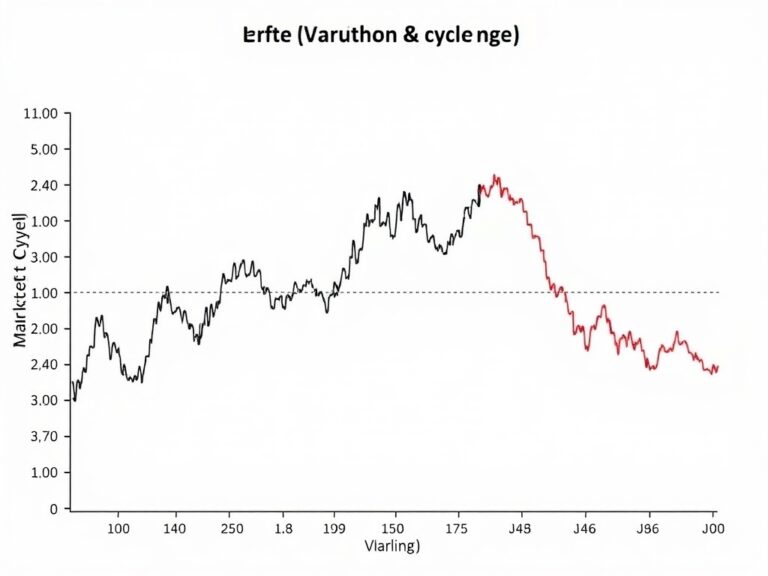
Now that we know the signs, how do we interpret market trends? A market trend is simply the general direction in which a market is moving over a period of time, whether it is bullish (upward) or bearish (downward). Understanding these cycles is essential because it helps you align your goals with reality rather than wishful thinking. For instance, when consumer sentiment is high, markets often trend upward as people feel confident to invest and spend. Conversely, if economic uncertainty creeps in, you might see a pullback as caution becomes the primary driver. It is helpful to visualize these as waves in the ocean; sometimes the tide is coming in, and other times it is going out. You cannot control the tide, but you can certainly learn to surf it better by understanding the momentum. It is also important to remember that market volatility is a normal part of the process, not necessarily a sign of disaster. By focusing on the long-term trends rather than the daily noise, you avoid the traps of emotional decision-making. Keep a cool head and focus on the data, as that is your best compass in a complex financial world.
Applying Your Knowledge for Financial Success
Ultimately, why should you care about all this data? Because knowledge is the best risk management tool you have in your toolbox. When you understand the relationship between inflation, interest rates, and market performance, you become much harder to fool. You can adjust your savings, time your big purchases, or manage your investments with a clear strategy rather than guessing. It is about building financial resilience so that when the economic weather changes, you are prepared, not caught off guard. You don’t need to check these numbers every hour of every day to be successful. Even a simple monthly check-in on the major indicators can provide you with enough context to make informed choices. As you continue your journey, keep asking questions and look for how these trends impact your specific industry or personal goals. You are now better equipped than most to interpret the signs of the times. Remember that the goal isn’t perfection, but rather consistent progress through informed actions. You’ve got the tools now—go ahead and use them to shape your own financial future with confidence and clarity!