

The Foundation of Wealth: Essential Principles for Long-Term Financial Success
Mastering Your Financial Mindset: The First Step to Wealth
Building long-term wealth isn’t just about picking the right stocks; it’s about cultivating a mindset that views money as a tool rather than a luxury. When you shift your perspective, you begin to see financial freedom as a reachable destination rather than a distant dream reserved for the lucky few. To start your journey, you must prioritize your goals and accept that patience is your greatest ally in the market. Many beginners fail because they seek quick wins, but sustainable growth is almost always a slow and steady process.
- Start by tracking your net worth regularly.
- Identify your emotional triggers regarding spending.
- Adopt a ‘pay yourself first’ mentality.
By internalizing these foundational habits, you create a buffer against the impulsive decisions that derail most people. Remember, the goal is to create systems that allow your money to work for you while you sleep, which is the hallmark of true wealth building. This process requires discipline, but the reward is a life of autonomy and reduced financial stress. Consistent effort today determines your capacity for comfort tomorrow, so start small and be consistent. Ultimately, your financial journey is a marathon, not a sprint, and your mindset acts as your pacing strategy throughout the race.

The Art of Budgeting and Aggressive Saving
If you want to achieve long-term financial success, you must first master the art of budgeting, which serves as the blueprint for your empire. Budgeting isn’t meant to restrict your lifestyle; instead, it provides the clarity needed to align your spending with your highest values. Use tools like the 50/30/20 rule to categorize your income, ensuring that your needs, wants, and savings are balanced effectively.
- 50% for essential needs like rent and utilities.
- 30% for personal lifestyle choices.
- 20% strictly for savings and debt reduction.
When you automate your savings, you remove the temptation to spend money before it reaches your investment accounts. Tracking your expenses through apps or spreadsheets highlights ‘leaks’ in your budget that could be redirected toward high-yield investments. Even small daily habits, like cutting out non-essential subscriptions, add up to significant figures over the course of several years. Think of every dollar saved as a seed that has the potential to grow into a massive tree of financial security. By aggressively managing your cash flow, you create a surplus that can be deployed into assets that appreciate in value. This proactive approach ensures you are never living paycheck to paycheck, but rather building a fortress of capital that protects your future self.
Harnessing the Power of Compound Interest
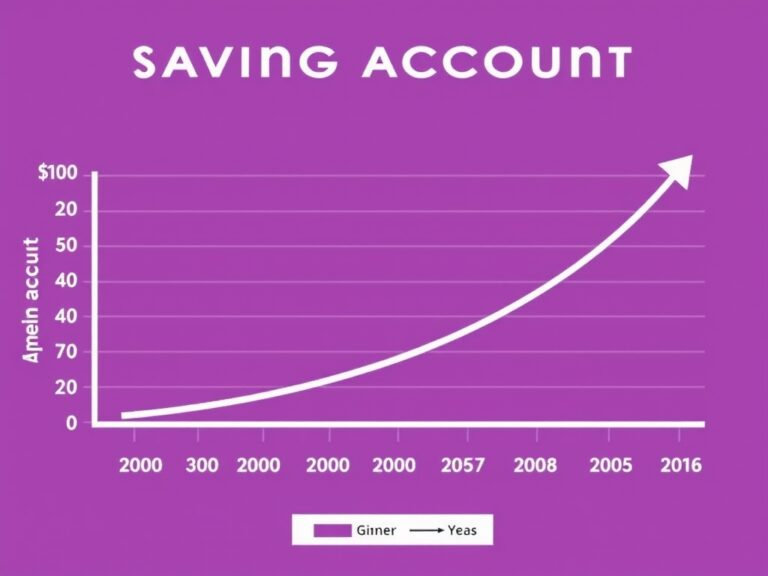
Once you have a handle on your savings, it is time to let the eighth wonder of the world—compound interest—do the heavy lifting for you. Compound interest is the mathematical process where your money earns interest, and then that interest earns interest of its own, creating an exponential growth loop.
- Time is your greatest leverage in this equation.
- Start investing as early as possible to maximize your horizon.
- Reinvest your dividends to accelerate the snowball effect.
Even modest investments, when given decades to compound, can turn into substantial sums due to this magical phenomenon. You don’t need a fortune to start, but you do need consistency and a long-term outlook that ignores short-term market volatility. Diversification is another key principle here, as it helps spread risk across various sectors and asset classes to keep your portfolio healthy. By investing in low-cost index funds or ETFs, you participate in the growth of the global economy without needing to be an expert stock picker. The most successful investors are those who simply stay the course while the market does its work. Trust in the power of time, and watch as your initial contributions transform into a significant passive income stream. Your future freedom is built on the foundation of the decisions you make regarding your portfolio today.
Defending Your Wealth: Risk Management and Future Planning
Wealth isn’t just about accumulation; it is equally about protection and defense against life’s unforeseen challenges. A robust financial plan must include an emergency fund—a safety net consisting of three to six months of living expenses tucked away in a high-yield savings account. This reserve prevents you from having to liquidate your long-term investments when unexpected medical bills or job loss occur.
- Maintain adequate insurance coverage to protect against catastrophic events.
- Keep your estate planning documents up to date for peace of mind.
- Regularly review your asset allocation as you approach retirement.
Beyond cash reserves, diversification serves as your primary defense against market-wide downturns that might otherwise decimate a portfolio concentrated in a single sector. Think of your financial plan as a castle where the emergency fund is the moat and your diversified investments are the thick, sturdy walls. By proactively identifying risks, you can implement safeguards that keep your financial journey on track despite external volatility. True wealth is sustained by those who treat their financial plan as a living document, adjusting it as life changes and goals evolve. Stay curious, keep learning about new investment vehicles, and remain steadfast in your commitment to your long-term vision. With these essential principles firmly in place, you are well-positioned to enjoy the financial freedom you have worked so hard to build and protect.