
Market Trends Explained: A Simple Guide to Economic Indicators and Price Movements
Understanding Market Trends: Why They Matter
Have you ever wondered why the stock market seems to dance to its own rhythm, leaving many of us scratching our heads? Market trends are essentially the collective sentiment and behavior of investors, reflecting the broader health of the economy. When we talk about trends, we are looking at the general direction in which a market moves over a period of time, whether it is bullish, bearish, or stagnant. Understanding these movements is your first step toward becoming a more informed investor or simply a savvy news consumer. It isn’t just about gambling on stocks; it is about interpreting the story the economy is trying to tell us. By tracking these shifts, you gain insight into where money is flowing and why certain industries might be thriving while others struggle. In this guide, we will peel back the curtain on economic indicators and price movements to make sense of the chaos. Let’s embark on this journey to turn complex financial data into actionable knowledge that empowers your daily decisions. Whether you are a beginner or looking for a refresher, this deep dive will provide the clarity you need to navigate modern markets with confidence.

Decoding Key Economic Indicators
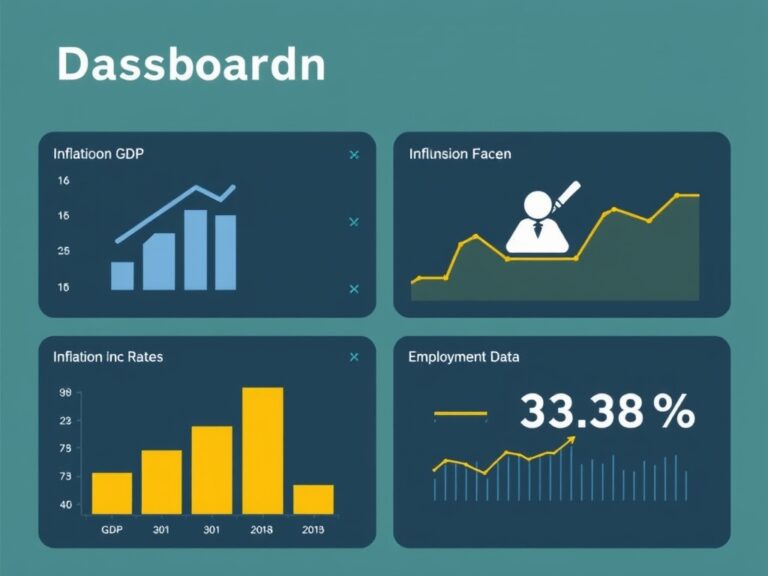
To really understand where the market is headed, you need to keep a close eye on economic indicators, which act like the ‘vital signs’ of a nation’s economy. These metrics offer a snapshot of how things are performing, providing clues before major price movements even hit the ticker tape. Some of the most critical indicators you should follow include:
- Gross Domestic Product (GDP): The total value of goods and services produced in a country.
- Consumer Price Index (CPI): A key measure of inflation and the cost of living.
- Unemployment Rate: A gauge of how many people are looking for work versus those who have jobs.
- Interest Rates: Decisions made by central banks that influence borrowing costs and investment appetite.
Each of these reports tells a specific part of the economic story. When GDP grows, it usually signals a healthy, expanding economy; conversely, rising inflation or unemployment can signal a cooling period. Think of these as your early warning system for predicting potential shifts in the market landscape. By monitoring these stats, you aren’t just reacting to news; you are anticipating it, which is the hallmark of a truly strategic market observer.
The Mechanics of Price Movements
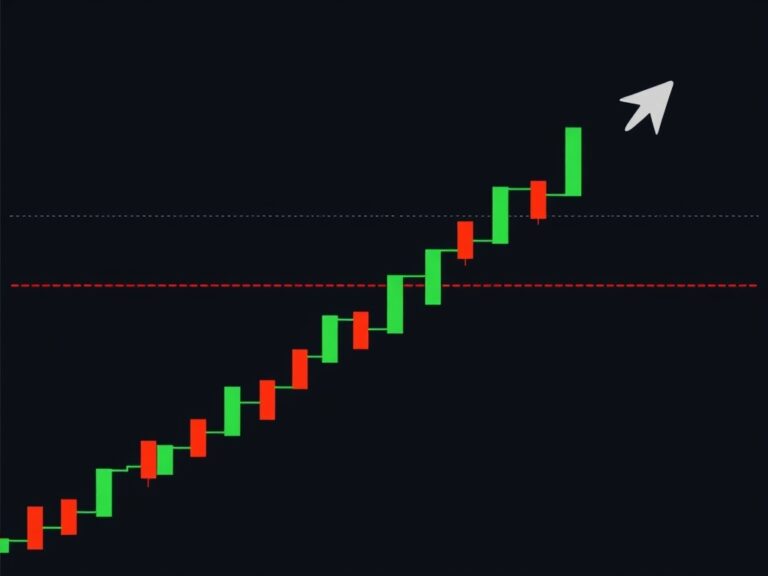
Price movements in the market are rarely random; they are driven by the constant tension between supply and demand. When more people want to buy an asset than sell it, the price goes up, creating a bull trend. When supply outweighs demand, prices fall, leading to a bear market. But what drives these shifts in sentiment? It is often a mix of earnings reports, geopolitical events, and investor psychology—the ‘fear and greed’ factor. You might notice that prices sometimes react sharply to market volatility, which is essentially the frequency and intensity of these price swings. Understanding support and resistance levels is also key; these are price points where the market has historically struggled to move above or below. Technical analysis helps traders visualize these patterns, while fundamental analysis looks at the intrinsic value of a company. By combining both, you get a much clearer picture of whether a price trend is sustainable or just a temporary blip. Remember, the market is a giant machine, and price movements are simply the gears turning in response to incoming information and human reaction.
Staying Ahead with Smart Strategies
Navigating these market trends doesn’t require a crystal ball, but it does require patience and discipline. One of the best ways to manage the highs and lows is through diversification, which ensures you aren’t betting your entire future on a single sector or asset class. Start by staying updated with reputable financial news sources to understand the context behind headline figures. It is also helpful to maintain a long-term perspective; while daily fluctuations can be dizzying, the long-term trend is what really builds wealth. Ask yourself:
- Are you investing for the short term or planning for retirement?
- Do you have a clear strategy for handling unexpected market drops?
- Are you keeping emotions out of your financial decisions?
By grounding yourself in these principles, you can filter out the noise and focus on what truly affects your financial goals. Remember, knowledge is your most valuable asset in the investing world. As you continue to watch indicators and track price movements, you will find yourself feeling more at ease with the natural ebbs and flows of the global economy. Stay curious, stay informed, and enjoy the process of becoming an expert on your own financial journey!