Economic Indicators Made Simple: A Plain-English Guide to Market Movements
🚀 Demystifying the Economic Compass: Why Indicators Matter
Have you ever wondered why the stock market suddenly takes a wild rollercoaster ride after a seemingly boring government press release? Welcome to the world of economic indicators, the vital signs of our financial system that help investors, businesses, and policymakers make sense of where the economy is heading. Think of these indicators as a highly sophisticated GPS for your investment journey, guiding you through market volatility and pointing out potential roadblocks ahead. At the very heart of this ecosystem is the almighty Gross Domestic Product (GDP), which measures the total economic output of a nation. When GDP is growing, it signifies a healthy, expanding economy where businesses are thriving, hiring is up, and consumers are spending freely. Conversely, a shrinking GDP over two consecutive quarters officially signals a recession, prompting cautious market behavior.
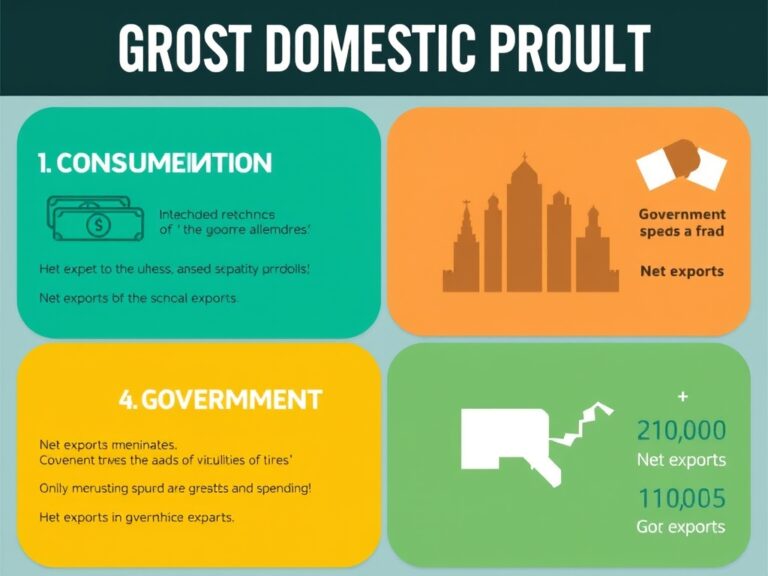
To keep an eye on this giant metric, smart investors analyze its three main pillars:
- Consumer Spending: This represents nearly 70% of economic activity and shows how confident everyday people feel about their finances.
- Business Investment: This measures corporate capital spent on factories, equipment, and technology for future growth.
- Government Spending: This includes infrastructure projects and public services that inject vital liquidity into the financial system.
For retail investors, monitoring GDP growth rate trends is crucial because corporate earnings—and subsequently stock prices—are tightly tethered to overall economic expansion. By keeping a close eye on these quarterly reports, you can easily spot whether the market is in an accumulation phase or heading toward a slowdown. Ultimately, understanding GDP helps you align your portfolio with macro trends rather than getting lost in short-term market noise. Remember, a rising economic tide generally lifts all corporate boats, making GDP the ultimate starting point for any fundamental analysis. In the next sections, we will delve deeper into the specific triggers that move these massive economic gears daily.
💼 The Pulse of the Consumer: Demystifying Employment Reports
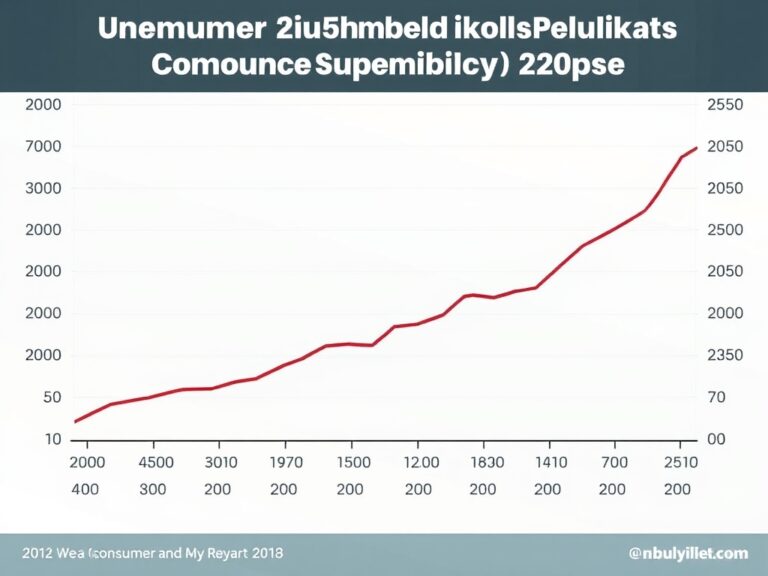
If GDP is the ultimate scorecard of our economy, then the labor market is undoubtedly its beating heart. Every month, the release of the Non-Farm Payrolls (NFP) report by the Bureau of Labor Statistics sends shockwaves through Wall Street. This highly anticipated document reveals exactly how many jobs were added or lost in the previous month, excluding agricultural workers. When employment is strong, workers feel confident in their job security, which directly translates to increased consumer spending. Conversely, rising unemployment rates serve as an early warning sign that businesses are cutting costs and preparing for a downturn. As an investor, you must watch this delicate balance carefully because wages play a massive role in consumer behavior.
High employment numbers typically trigger several economic reactions:
- Wage Growth: Workers demand higher pay, which increases their discretionary income.
- Increased Demand: More disposable income means higher sales for retail, travel, and tech sectors.
- Corporate Confidence: Strong sales encourage businesses to expand operations and invest in new ventures.
However, if the labor market becomes too tight and wages rise too quickly, it can trigger a dangerous cycle of inflation. This is why the stock market sometimes reacts negatively to “too good” jobs reports, fearing aggressive policy intervention. Therefore, monitoring the monthly unemployment rate helps you gauge consumer sentiment and predict future retail sales trends. By tracking these payroll numbers, you gain direct insight into the purchasing power that keeps our economic engine running smoothly.
🏷️ Inflation Decoded: How CPI and PPI Impact Your Wallet
Let us talk about the silent wealth killer that has dominated financial headlines recently: inflation. Inflation is the rate at which the general level of prices for goods and services is rising, eroding your purchasing power over time. To measure this economic phenomenon, economists rely heavily on the Consumer Price Index (CPI) and the Producer Price Index (PPI). While CPI tracks the average change over time in prices paid by urban consumers, PPI measures the selling prices received by domestic producers. When both of these indexes spike, it indicates that raw materials and consumer goods are becoming significantly more expensive. For everyday investors, persistent inflation is a major red flag that requires strategic portfolio adjustments.
Here is how high inflation typically reshapes the financial landscape:
- Eroding Cash Value: Holding excessive cash becomes highly disadvantageous because its real purchasing power rapidly diminishes.
- Corporate Margin Squeeze: Rising input costs can severely squeeze corporate profit margins if companies cannot easily pass those costs on.
- Asset Realignment: Investors often shift capital into hard assets like real estate, commodities, and treasury inflation-protected securities.
Moderate inflation is actually healthy for a growing economy, but rapid, unchecked price increases can lead to economic instability. By keeping a watchful eye on CPI releases, you can anticipate shifts in consumer spending habits before they impact stock prices. Ultimately, mastering inflation metrics allows you to construct a resilient portfolio that preserves your hard-earned capital in any economic climate.

🏦 Central Banks and Interest Rates: The Ultimate Market Drivers
Behind every major market movement stands a powerful group of decision-makers: the central bank, such as the Federal Reserve. Central banks use monetary policy to keep the economy stable, primarily by manipulating interest rates. When inflation runs too high, the Fed will raise interest rates to cool down economic activity by making borrowing more expensive. Higher interest rates mean that car loans, mortgages, and credit card balances cost more, which naturally discourages consumer spending. Conversely, when the economy is sluggish, central banks will cut interest rates to encourage borrowing, spending, and business investment. This delicate manipulation acts as the accelerator and brake pedal for the global financial markets.
The impact of changing interest rates ripples through various asset classes in distinct ways:
- Stocks: Higher interest rates usually depress stock valuations because future corporate cash flows are discounted at a higher rate.
- Bonds: Existing bond prices fall when interest rates rise, as newer bonds offer higher yields to investors.
- Real Estate: Mortgage rates climb, cooling down demand and potentially slowing home price appreciation in key markets.
Understanding this inverse relationship is one of the most valuable tools in any successful investor’s toolkit. By anticipating central bank rate decisions based on economic data, you can position your investments ahead of major market rotations. In short, interest rates are the gravity that holds all asset prices in check, making central bank announcements mandatory viewing.

🔍 Leading vs. Lagging Indicators: How to Separate the Signal from the Noise
To navigate the financial markets successfully, you must learn to distinguish between different types of economic indicators. Economic data generally falls into two primary categories: leading indicators and lagging indicators. Leading indicators are metrics that tend to change direction before the economy as a whole starts to follow a particular trend. Examples of leading indicators include the Purchasing Managers’ Index (PMI), building permits, and consumer confidence surveys. These forward-looking numbers give investors valuable hints about where the economy will be in six to nine months. On the other hand, lagging indicators only change after an economic trend has already been firmly established. Classic examples of lagging indicators include the unemployment rate, corporate earnings reports, and the average duration of unemployment. While lagging indicators do not predict the future, they are incredibly useful for confirming long-term economic cycles and trends. Many novice investors make the mistake of relying solely on lagging data, which often leads to late and costly decision-making. By combining both leading and lagging signals, you can build a more comprehensive and balanced view of the market landscape. This holistic approach prevents you from overreacting to short-term anomalies and keeps you focused on the broader macroeconomic picture. In essence, leading indicators show you where the hockey puck is going, while lagging indicators confirm where it has been.
🛠️ Crafting Your Strategy: Using Indicators to Build a Resilient Portfolio
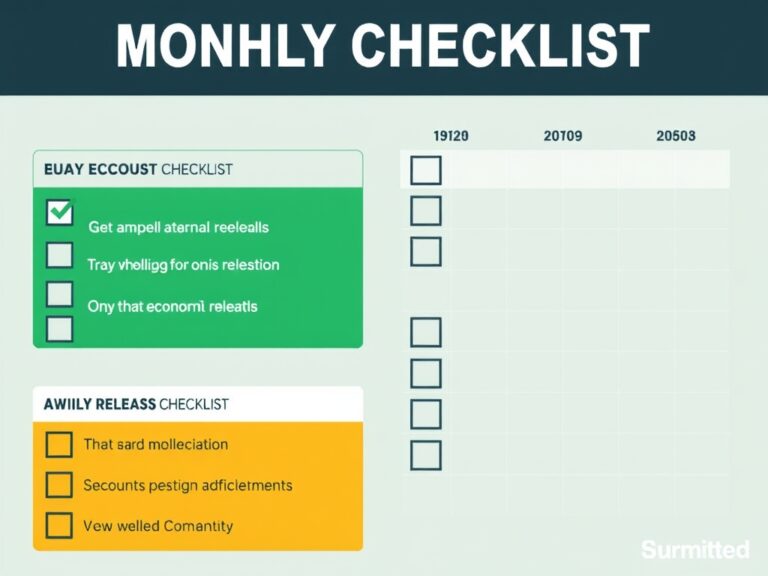
Now that you understand the mechanics of these powerful economic indicators, it is time to put this knowledge into action. Successful investing is not about predicting the exact future, but rather about positioning your portfolio based on probabilities. When GDP is expanding, employment is strong, and inflation is moderate, you should generally lean into riskier growth assets like equities. However, when leading indicators start pointing toward a slowdown and inflation spikes, shifting toward defensive assets is a wise move. Defensive assets such as consumer staples, utilities, healthcare, and short-term treasury bills can protect your capital during recessions. To help you stay organized and disciplined, here is a simple monthly checklist to follow:
- First Week: Check the Jobs Report and PMI data to assess labor and manufacturing strength.
- Second Week: Analyze CPI and PPI reports to monitor inflation and anticipate central bank policy shifts.
- Quarterly: Review the GDP growth estimates alongside corporate earnings reports to evaluate overall market health.
Remember, the goal is not to trade frantically around every single news release, but to identify broad macroeconomic cycles. Avoid the temptation of overtrading, as transaction costs and emotional stress can quickly erode your investment performance. By adopting a disciplined, data-driven approach, you can confidently navigate market movements and achieve your long-term financial goals. With these tools in hand, you are now fully equipped to read the market’s vital signs and make smarter, more informed decisions.