Decoding the Economy: A Plain-English Guide to Market Trends and Indicators
Understanding the Economic Pulse: Why Market Trends Matter
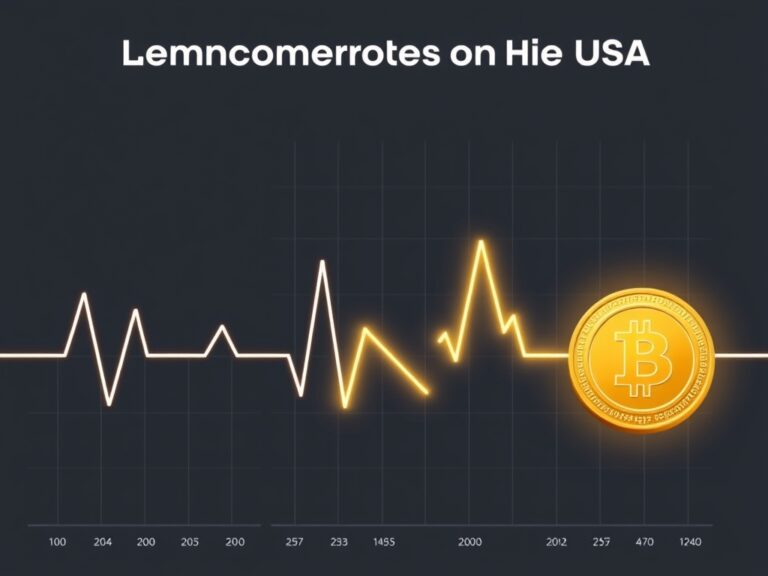
Have you ever watched the news and felt like economists are speaking a secret, coded language? You aren’t alone, as decoding the economy often feels like deciphering ancient hieroglyphs designed to confuse the average person. However, understanding market trends is essentially just learning how to read the heartbeat of our global financial system. When we talk about economic indicators, we are really talking about the ‘vital signs’ that tell us if the market is healthy, overheating, or in need of a recovery. By breaking these down into plain English, you gain the power to make better decisions for your personal finances and investments. Market trends aren’t just abstract lines on a graph; they represent real-world activities like how much people are spending, how many jobs are being created, and whether businesses are feeling confident enough to expand. Think of the economy as a living, breathing ecosystem where every movement triggers a ripple effect. Once you grasp these basics, you’ll stop feeling like an outsider looking in and start seeing the patterns that shape our daily lives. Whether you are a seasoned investor or just someone trying to save for a rainy day, knowing how to interpret these signals is a total game-changer. Let’s strip away the jargon and get straight to the facts that actually move the needle.
The Big Three: GDP, Inflation, and Interest Rates
To really get a handle on the economy, you need to focus on the ‘Big Three’ indicators that act as the pillars of financial health. First, we have GDP (Gross Domestic Product), which is essentially the scorecard for a nation’s total economic output; if it’s going up, the economy is growing, and if it’s going down, we are likely in a contraction. Next, there is inflation, or the rate at which prices rise for goods and services, which determines the actual purchasing power of your hard-earned money. Finally, we have interest rates, which are the ‘cost of borrowing money’ set by central banks to keep everything in balance. When you look at these three things together, you get a clear picture of whether money is flowing freely or tightening up.
- GDP: Measures the health of the entire nation’s production.
- Inflation: Tells you how much ‘bang for your buck’ you are actually getting.
- Interest Rates: Act as a thermostat to heat up or cool down the economy.
Each of these indicators influences the others in a delicate dance that dictates everything from your mortgage rates to the price of your groceries. Keeping an eye on these helps you anticipate changes rather than being blindsided by them. It is essentially like checking the weather forecast before deciding whether to wear a raincoat or sunglasses; you can’t control the climate, but you can certainly prepare for it. By monitoring these metrics, you take the guesswork out of your financial future.
Consumer Sentiment: The Unsung Hero of the Market
You might be surprised to learn that one of the most powerful market trends isn’t a hard number, but a feeling: Consumer Sentiment. When everyday people feel optimistic about the future, they tend to spend more, which fuels business growth and drives up the stock market. Conversely, when uncertainty hits, people tighten their wallets, leading to a slowdown that businesses feel almost immediately. This psychological factor is why economic reports often include ‘confidence indices’ based on surveys of regular folks just like you. Why does your mood matter? It matters because the economy is driven by demand, and demand is driven by human emotion and expectations. If everyone thinks a recession is coming, they act in ways that can actually help cause one—this is known as a self-fulfilling prophecy in economics. Retail sales data and consumer confidence scores are the primary ways experts track this ‘vibe’ to predict where we are headed next. Understanding this helps you see that market movements aren’t just cold, calculated algorithms; they are a massive collection of human choices. When you notice people holding back on big-ticket purchases, it is often a leading indicator that the broader economy is about to shift gears. Pay attention to how your community spends money; it is often the most accurate crystal ball you will find.

Staying Informed: How to Track Trends Without the Stress
Now that you know what to look for, the next step is building a sustainable habit of staying informed without falling into the ‘doom-scrolling’ trap. You don’t need a PhD in finance or a subscription to expensive terminals to stay ahead of the curve. Start by identifying a few reliable sources—like central bank reports, reputable financial news outlets, or government labor statistics—and stick to them. Pro-tip: Set aside just 15 minutes a week to check in on the ‘Big Three’ indicators we discussed earlier. Consistency is key, because trends are rarely about one single day; they are about the direction the needle is moving over time. Remember, the goal is not to predict the exact top or bottom of a cycle, which even the pros can’t do, but to understand the general climate so you can adjust your sails accordingly. If the news feels overwhelming, take a step back and focus on long-term trends rather than short-term market noise. By educating yourself and staying grounded in data, you transform from a passive observer into a proactive manager of your own financial destiny. Keep it simple, stay curious, and remember that knowledge is the ultimate safety net in an unpredictable world. Now that you have the tools, you are ready to navigate the complexities of the market with confidence and clarity!