
7 Key Foundational Concepts for Building Sustainable Long-Term Wealth
Mastering the Fundamentals of Long-Term Wealth
Building sustainable long-term wealth isn’t about getting rich quick; it’s a marathon that requires patience, discipline, and a solid strategy. Many people search for the next big stock tip, but the real secret lies in mastering core financial concepts that stand the test of time. First, you must prioritize living below your means, which allows you to accumulate capital for future growth. By consistently tracking your expenses, you gain control over your financial narrative rather than letting debt dictate your lifestyle. It is essential to treat your savings as your most important bill, paying yourself before you pay anyone else. Remember, wealth is what you keep, not what you spend on temporary luxuries that depreciate in value. When you adopt a mindset of delayed gratification, you open the door to massive compound growth over the coming decades. Start by building a small emergency fund to shield your plans from life’s inevitable surprises. This foundational step ensures that you won’t have to liquidate your investments when an unexpected expense arises. Consistency is the invisible engine that drives these seven foundational pillars toward your ultimate financial independence.

The Power of Compound Interest and Strategic Investing
Once you have a handle on your cash flow, the next phase is putting your money to work through the magic of compound interest. Albert Einstein famously called compound interest the eighth wonder of the world, and for good reason: it turns small contributions into substantial fortunes over time. To leverage this, you need to understand three core investment concepts:
- Time Horizon: Give your money decades to grow.
- Diversification: Don’t put all your eggs in one basket.
- Asset Allocation: Align your risk tolerance with your goals.
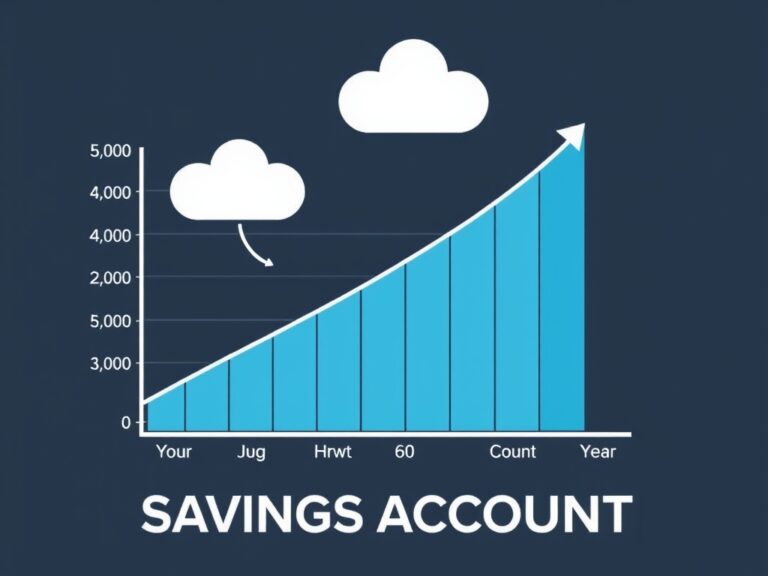
By investing in low-cost index funds or ETFs, you participate in the growth of the global economy without needing to pick individual winners. Avoid the temptation of market timing, as historical data shows that consistent participation beats trying to predict peaks and troughs. You should aim to automate your investments so that the process happens seamlessly, regardless of your busy schedule. As your portfolio grows, continue to reinvest your dividends to accelerate the compounding effect exponentially. Think of your money as seeds that, when planted in the right soil, eventually grow into a forest of passive income. Stay committed to a long-term vision, and let the mathematics of interest do the heavy lifting for you.
Risk Management and the Role of Financial Education
Achieving financial security requires a proactive approach to risk management and continuous self-education. You cannot build a castle on sand, and similarly, you cannot build wealth without protecting your assets from volatility and loss. Insurance is your first line of defense; ensure you have adequate health, life, and liability coverage to protect your family’s future. Beyond formal insurance, diversification across different asset classes—like stocks, bonds, and real estate—acts as a hedge against sector-specific downturns. Never invest in anything you do not fully understand, as ignorance is the fastest way to lose capital in the financial markets. Dedicate time to reading books, attending seminars, and listening to experts to expand your financial literacy. Knowledge gives you the confidence to stay the course when others panic and sell at the bottom. Remember, the market is designed to transfer wealth from the impatient to the patient, and your education is the tool that keeps you in the patient camp. Surround yourself with positive financial influences who value long-term stability over fleeting trends or get-rich-quick schemes. By remaining curious and diligent, you ensure that your strategies evolve alongside the changing economic landscape, keeping your wealth trajectory upward and secure.