
Decoding the Economy: A Plain-English Guide to Market Trends and Indicators
Understanding the Economic Pulse: Why Market Trends Matter
Have you ever watched the evening news and felt like the reporters were speaking a completely different language when they mentioned market trends or economic indicators? You are certainly not alone, as the financial world often hides behind complex jargon that makes everyday people feel like outsiders in their own wallets. Decoding the economy doesn’t require a PhD in finance; it simply requires knowing which signals to watch. Think of the economy as a living, breathing organism that sends out ‘health reports’ through various data points. By learning to read these, you can make smarter decisions about your savings, investments, and personal spending habits. Market volatility often scares people, but when you understand the underlying mechanics, it becomes a predictable part of the cycle. In this guide, we will break down the complex indicators into bite-sized, actionable insights. Let’s start this journey toward financial literacy together by peeling back the curtain on how global markets truly function.
The Big Three: GDP, Inflation, and Unemployment
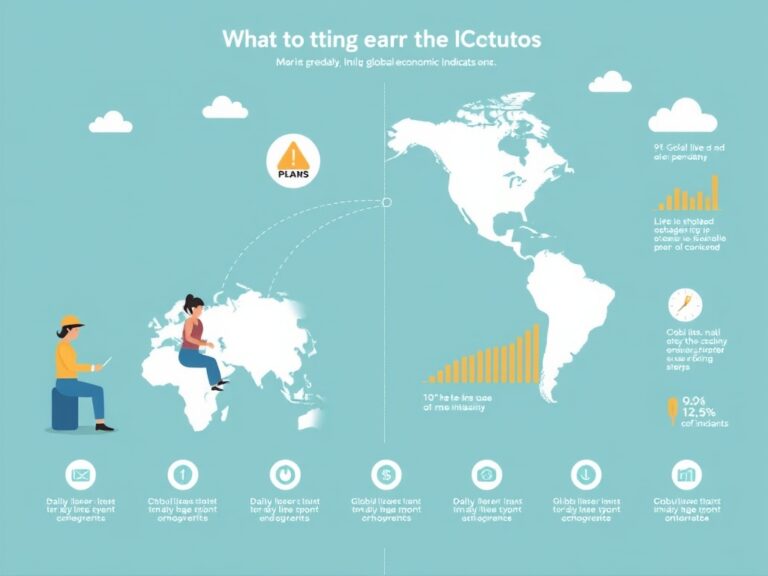
To really get a grip on the economic climate, you need to focus on the ‘Big Three’ indicators that economists obsess over daily. First, we have GDP (Gross Domestic Product), which is essentially the total scorecard for everything a country produces; if it is growing, the economy is generally healthy. Second, we monitor inflation, which acts like a hidden tax on your purchasing power by slowly raising the cost of your favorite goods and services. Third, the unemployment rate tells us how many people are looking for work, reflecting the overall confidence of the labor market.
- GDP: The nation’s total economic output.
- Inflation: The rate at which price levels are rising.
- Unemployment: The percentage of the workforce currently seeking jobs.
When these three metrics move in tandem, they provide a snapshot of national prosperity or struggle. It is important to note that these indicators are often lagging, meaning they tell us where we have been rather than exactly where we are going. However, they provide the essential context needed to analyze future trends. By watching how these numbers shift over time, you can better anticipate shifts in the broader economy.
Interest Rates and Central Bank Magic
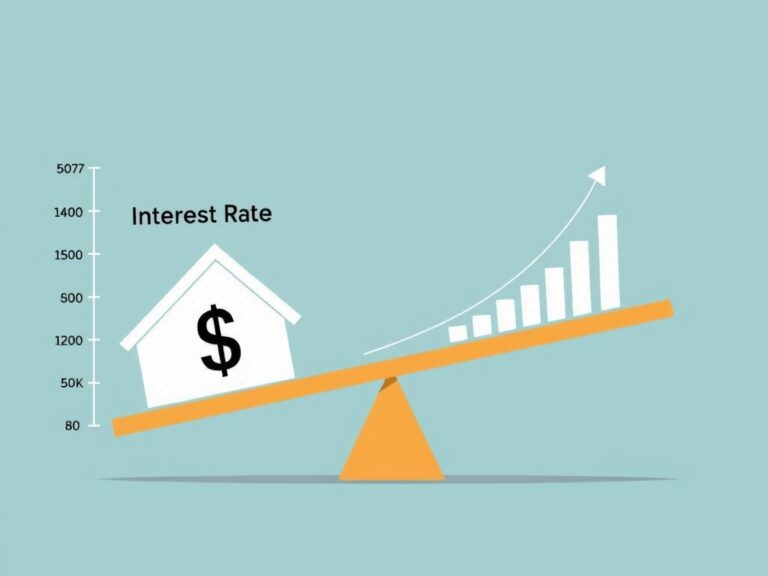
Have you ever wondered why your credit card bill or mortgage rate fluctuates? It all comes down to the Federal Reserve and their control over interest rates, which serve as the ‘throttle’ for the entire economy. When the economy is overheating, the Fed raises rates to cool down borrowing and slow inflation, making it more expensive to take out loans. Conversely, when the economy needs a boost, they lower rates to encourage spending and business expansion, essentially making money ‘cheaper’ to access. Smart investors always pay attention to these announcements because interest rates affect almost every asset class, from high-yield savings accounts to volatile stock markets. Monetary policy is essentially the invisible hand guiding the cost of debt in your daily life. Keeping an eye on the Fed’s ‘dot plot’ forecasts can give you a significant advantage in planning your financial future. It is not magic; it is a calculated game of balancing growth against the threat of runaway prices. Understanding this mechanism allows you to hedge against market swings more effectively.
Consumer Sentiment: The Human Element
Finally, we cannot ignore the most important variable in the entire economic equation: you and your neighbors. Even if the ‘Big Three’ look solid on paper, the economy can grind to a halt if consumers decide to stop spending their hard-earned money due to uncertainty. Consumer sentiment indices track how optimistic or pessimistic regular people are about their financial future, which serves as a leading indicator for retail growth. When people feel secure, they spend more, which fuels business profits and hiring; when they feel scared, they save more, which can lead to a cooling effect. Psychology drives markets just as much as math, and understanding this sentiment can help you separate real trends from fleeting market panic. Remember, the economy is ultimately just a collection of human choices made every single day in stores, online platforms, and banks. Stay observant, stay informed, and most importantly, stay confident in your ability to navigate the waves. You now possess the foundational knowledge to decode complex headlines and make decisions that truly serve your best interests.