
Foundational Concepts for Building Long-Term Wealth: A Strategic Guide
Understanding the Mindset of Wealth Creation
Building long-term wealth isn’t just about how much money you make; it’s about how much you keep and how strategically you grow it over time. Financial freedom is a marathon, not a sprint, and it begins with shifting your mindset from consumption to investment. You need to view every dollar as a seed that has the potential to grow into a financial forest if planted in the right soil. Patience and discipline are the twin pillars of this journey, often outweighing pure intelligence or luck. Start by tracking your net worth and identifying leaks in your personal cash flow that hinder your progress. Instead of chasing get-rich-quick schemes, focus on the fundamental habits of the wealthy: living below your means, saving consistently, and prioritizing long-term growth. This foundation allows you to remain calm during market volatility while others panic and sell. Remember that building wealth is a personal journey, so avoid comparing your chapter one to someone else’s chapter twenty. Your path is unique, but the underlying principles of smart allocation remain consistent across all levels of income.

The Power of Compound Interest and Time
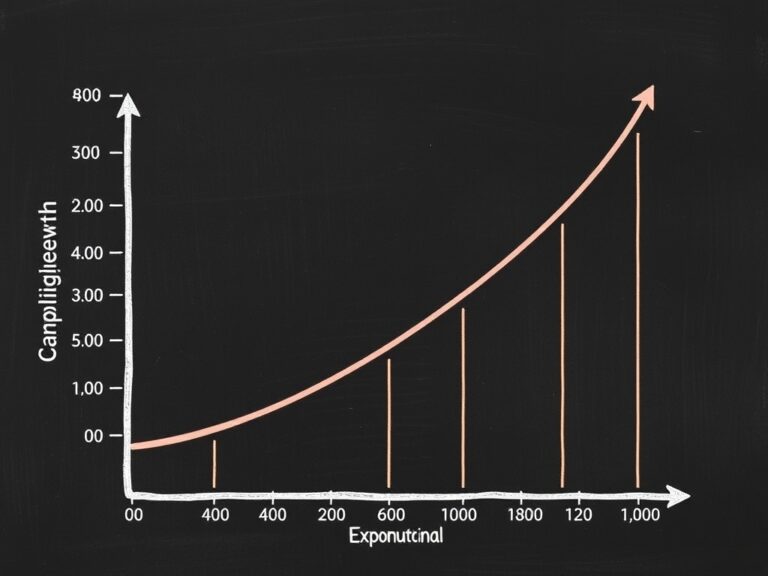
If there is one ‘secret’ to wealth, it is undoubtedly the magic of compound interest, which Albert Einstein famously dubbed the eighth wonder of the world. By reinvesting your returns, your money begins to generate its own earnings, and then those earnings generate their own earnings.
- Start investing as early as possible to maximize the time horizon.
- Automate your contributions to ensure consistency.
- Reinvest all dividends and capital gains to accelerate growth.
Time is your most valuable asset, even more so than your initial capital, because it allows your investments to snowball into significant figures. Even small monthly investments can turn into a substantial nest egg if given twenty or thirty years to compound in a diversified portfolio. Avoid the temptation to touch these funds for short-term purchases; the real growth happens when you leave the money alone. Think of your portfolio as a tree that requires years of steady sunlight and water before it provides shade and fruit. By understanding this concept, you can stop looking for quick wins and start building a legacy that truly stands the test of time.
Strategic Asset Allocation for Long-Term Success
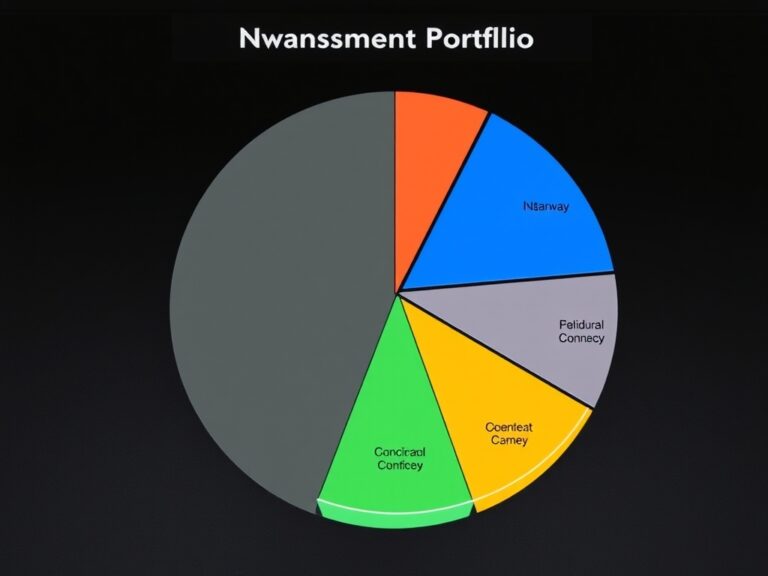
To build wealth that lasts, you cannot put all your eggs in one basket; you must embrace the concept of diversification. Strategic asset allocation involves spreading your investments across various categories like index funds, real estate, and bonds to mitigate risk while capturing market gains. Risk management is essential because it prevents a single market crash from wiping out years of hard work. A well-balanced portfolio should reflect your personal time horizon and risk tolerance, adjusting as you get closer to your ultimate goals. Don’t fall for the trap of ‘over-trading’ or trying to time the market, as this usually results in higher fees and lower returns. Instead, focus on a ‘set it and forget it’ strategy using low-cost index funds that provide broad market exposure. This approach lowers your costs and reduces the emotional stress of watching daily market swings. Over time, these small optimizations result in a massive difference in your end-of-journey wealth. Be sure to rebalance your portfolio annually to maintain your desired level of risk exposure.
The Importance of Financial Literacy and Continuous Growth
Finally, your ability to build wealth is directly proportional to your financial literacy and your willingness to keep learning. You are your own best investment, so spend time reading books, listening to podcasts, and understanding the tax implications of your investments. Knowledge allows you to make informed decisions rather than following the latest trends on social media or listening to unreliable ‘gurus.’
- Understand how different tax-advantaged accounts work for your specific country.
- Stay updated on economic trends without letting them dictate your daily emotional state.
- Prioritize health as a key part of your wealth—after all, you need longevity to enjoy the fruits of your labor.
Always ask questions about the fees, risks, and historical performance of any asset you are considering for your portfolio. Confidence in your strategy comes from understanding the ‘why’ behind every financial move you make. By mastering these foundational concepts, you move from being a passenger in your financial life to the driver of your own destiny. Continue to refine your approach as your income grows, ensuring that your lifestyle inflation doesn’t eat away at your wealth-building capacity. This is a lifelong commitment to freedom, security, and prosperity that will pay dividends for decades to come.