

Building Long-Term Wealth: Essential Foundational Concepts for Financial Success
The Mindset of Wealth Creation
Building long-term wealth isn’t just about how much money you make; it’s about how much you keep and how effectively you grow it over time. Financial success starts with a fundamental shift in mindset, moving from short-term gratification to a vision of sustained prosperity. To truly secure your future, you must understand that wealth is a marathon, not a sprint, requiring patience and discipline. Start by analyzing your current relationship with money: are you spending on liabilities or investing in assets? This foundational step involves acknowledging your financial habits and making conscious decisions to prioritize your future self. Consider these pillars of wealth:
- Consistency in savings
- Long-term investment horizons
- Continuous financial education
- Disciplined spending habits
By mastering these, you lay the groundwork for a life of freedom. Remember, the goal is to create systems that generate value while you sleep. Don’t worry about being perfect; focus on being consistent and informed as you navigate your unique financial journey.

The Magic of Compounding and Budgeting
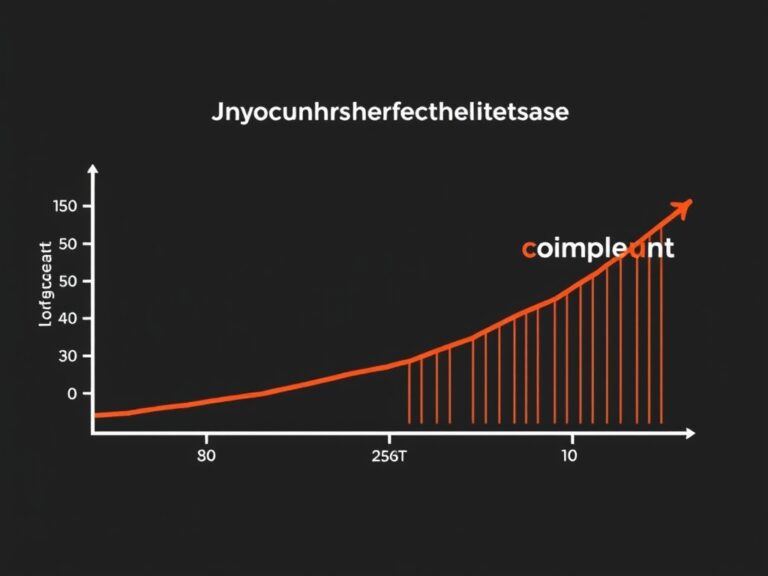
At the heart of wealth building lies the incredible concept of compounding interest, often referred to as the eighth wonder of the world. By reinvesting your returns, your money begins to make money, creating an exponential growth curve that can significantly impact your net worth over decades. To fuel this engine, you must implement a robust budget that allows for systematic contributions to your investment portfolio. Budgeting is not about deprivation; it is about allocating your resources toward what matters most to you. Track your expenses meticulously using modern tools, and identify areas where you can trim the fat to boost your savings rate. Consider applying the 50/30/20 rule:
- 50% for essential needs
- 30% for personal wants
- 20% for savings and debt repayment
This simple structure helps you stay disciplined while maintaining a balanced lifestyle. As your income grows, try to avoid ‘lifestyle creep’ by keeping your living expenses relatively stable. Every extra dollar saved and invested today is a seed for future financial independence, so treat your savings like a non-negotiable monthly bill.
Diversification and Risk Management
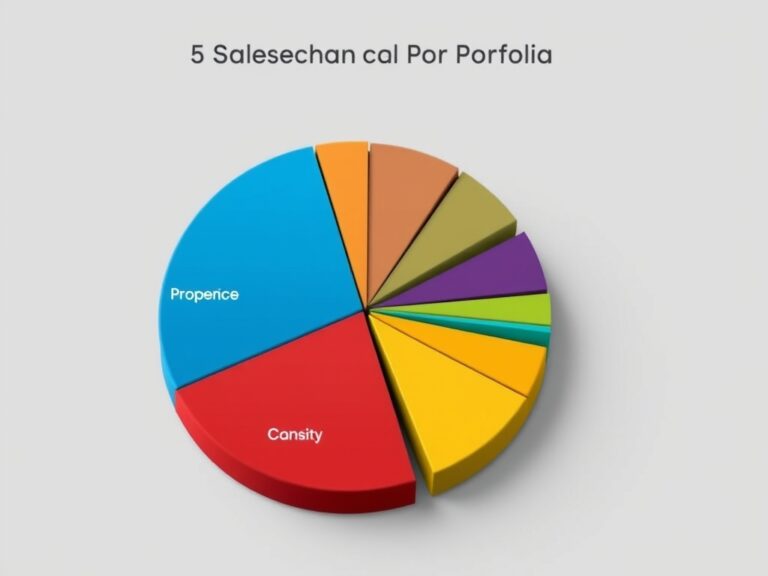
One of the most critical foundational concepts for lasting wealth is effective risk management through diversification. Putting all your eggs in one basket is the quickest way to jeopardize your financial security, especially in volatile market conditions. Instead, you should aim to spread your investments across various asset classes like stocks, bonds, real estate, and index funds. This approach ensures that if one sector underperforms, others may balance out your portfolio, leading to more stable long-term returns. Educating yourself on asset allocation is essential, as it determines your risk tolerance and comfort level with market fluctuations. You might choose a more aggressive strategy when you are young and transition to a conservative approach as you near retirement goals. Always perform your due diligence before entering any investment, and avoid chasing ‘get rich quick’ schemes that promise unrealistic returns with low effort. High rewards usually come with high risks, so maintain a healthy skepticism when evaluating new opportunities. Build a diverse portfolio that aligns with your specific timeline, and you will be much better prepared to weather economic storms while staying on the path to success.
Staying the Course: Consistency and Patience
Finally, the most underrated secret to building long-term wealth is the ability to stay the course, even when market headlines create fear or uncertainty. Successful investors know that emotional intelligence plays a huge role in financial outcomes, as panic-selling during a downturn is a guaranteed way to erode your progress. Instead, view market dips as buying opportunities and stay committed to your original long-term investment strategy. Regularly review your progress, but avoid checking your accounts too frequently, which can lead to impulsive decisions. Celebrate the small wins, such as reaching a specific savings milestone or paying off a high-interest debt, as these keep you motivated. Keep in mind that financial freedom is a personal journey, and comparing your chapter one to someone else’s chapter twenty is counterproductive. Surround yourself with positive influences, read reputable financial literature, and keep upgrading your knowledge base to adapt to changing environments. The process takes years, but the reward of financial peace of mind is worth every bit of effort. Keep building, keep learning, and keep looking toward the horizon with confidence and resolve.