
Understanding Market Trends: A Plain-English Guide to Economic Indicators
Decoding the Pulse of the Economy
Have you ever wondered why the news gets so excited about ‘market trends’ or ‘economic indicators’? It can feel like listening to a foreign language, but understanding economic data is actually the secret sauce to making smarter financial decisions. Think of economic indicators as the vital signs of a country; just like a doctor checks your blood pressure and heart rate, economists monitor these metrics to gauge the health of the market. Whether you are an investor, a small business owner, or just a curious reader, learning to read these signals can give you a significant competitive edge. In this guide, we are going to break down these complex concepts into plain English so you can navigate the financial landscape with confidence. By the end of this post, you will see that market trends aren’t just for Wall Street experts—they are patterns that affect your daily wallet. Let’s peel back the layers of complexity and look at the numbers that truly matter. We will cover the essentials of inflation, employment rates, and consumer confidence. It is time to stop guessing and start understanding the indicators that move the global economy forward. Grab a coffee, and let’s demystify these trends together in a way that actually makes sense for your personal life.
The Big Three: GDP, Inflation, and Employment
To truly get a handle on the economy, we need to focus on the ‘Big Three’ indicators that act as the backbone of financial analysis. First, we have GDP (Gross Domestic Product), which is essentially the total scorecard for all goods and services produced within a country. When GDP grows, businesses are thriving, but when it stalls, it often signals an economic slowdown that requires careful observation. Next, we cannot talk about the economy without mentioning Inflation, which measures how much your money’s purchasing power is eroding over time. A little bit of inflation is usually healthy, but if prices climb too fast, your savings might start to feel the pinch. Finally, the Unemployment Rate tells us how many people are looking for work but can’t find it, serving as a primary measure of labor market health. When unemployment is low, consumer spending typically goes up, creating a positive cycle that fuels further growth. These three factors work in a complex dance, and knowing how to track them is essential for any savvy investor. Consider how these items interact in your own budget:
- GDP: Reflects overall prosperity.
- Inflation: Impacts your cost of living.
- Unemployment: Signals potential future demand.
Monitoring these won’t just make you smarter; it will help you anticipate shifts before they become mainstream news headlines.
Why Consumer Sentiment Matters
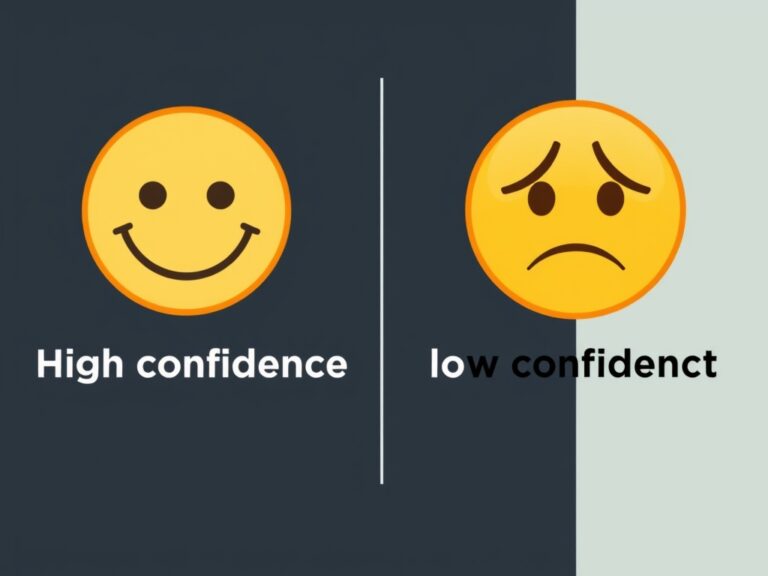
Beyond the dry, hard statistics, there is a psychological element to market trends known as Consumer Confidence. Simply put, when people feel optimistic about their job security and future income, they spend more money on discretionary items like electronics, travel, and dining out. This increased spending is a major driver of economic growth, proving that sentiment often precedes action in the financial world. If households are nervous about the future, they tend to tighten their belts, which can lead to a self-fulfilling prophecy of an economic downturn. Analysts use surveys to track this ‘mood’ because it often provides a leading indicator of where the economy might be heading in the next six months. It is fascinating to realize that your personal attitude toward the economy actually contributes to the macro-trends we see on the evening news. By paying attention to consumer sentiment reports, you can get a sneak peek into the resilience of the current market cycle. Always remember: the economy is fundamentally driven by human behavior, not just calculators and computers. If you want to spot a trend, pay attention to the vibe in the marketplace and the spending habits of those around you. It’s a simple metric, but it is often the most revealing one in the entire economic toolkit.
Taking Action: Putting Data to Work
Now that you have a better grasp of the indicators, how do you actually apply this to your daily life? You don’t need a PhD to use this information; just start by scanning reliable financial news sources for updates on these core metrics once a week. If you see consistent news about rising inflation, it might be the right time to consider long-term investments that have historically hedged against price increases. If you see high consumer confidence combined with low unemployment, it might signal a period of stability where long-term growth is favored. The key is to look for trends over time rather than reacting to a single day of volatile market swings. Keep a simple log or a digital note of how these indicators change; you will soon start noticing how they precede changes in your own industry or personal investment portfolio. Education is your greatest asset in this journey toward financial literacy, and you have already taken the first step. Share this knowledge with your friends or colleagues to spark a conversation about the factors that shape our world. Remember, economic literacy is a marathon, not a sprint, so give yourself grace as you learn the ropes. The more you watch the data, the more intuitive these market patterns will become, turning complex noise into actionable clarity. Start today, stay curious, and keep your eye on the trends that define our financial future.