
The Essential Guide to Building Long-Term Wealth: Foundational Concepts for Financial Success
Mastering Your Financial Foundation: Why Wealth is a Marathon
Building long-term wealth isn’t about hitting a sudden lottery win or chasing the latest speculative investment trend; it is fundamentally about consistent habits and a shift in mindset. Think of your financial journey as a marathon rather than a sprint, where the pace you set today determines your stamina for the decades to come. To begin, you must establish a clear financial baseline by tracking your income, expenses, and current debt levels with absolute honesty.
- Start by analyzing your monthly cash flow to identify where leaks are happening.
- Eliminate high-interest debt that acts as a anchor on your potential growth.
- Prioritize an emergency fund that covers 3-6 months of essential living expenses.
This foundational phase is crucial because it provides the psychological safety net required to make rational, long-term decisions rather than emotional ones. When you know exactly where you stand, you can transition from simply surviving to actively thriving. Remember, wealth-building is not just about the numbers in your bank account, but about the freedom of choice that capital provides you. By mastering these basics, you are laying the bricks for a secure future, one step at a time, ensuring that your financial path is sustainable and resilient against life’s inevitable surprises. You have the power to control your destiny, provided you commit to the boring, yet effective, work of financial discipline today.

The Magic of Compounding: Your Greatest Financial Ally
If there is one secret ingredient to building lasting wealth, it is undoubtedly the power of compound interest, often referred to as the eighth wonder of the world. Albert Einstein allegedly called it the most powerful force in the universe, and for good reason—it allows your money to work harder than you ever could on your own. When you reinvest your earnings, those reinvested funds generate their own returns, creating a snowball effect that gains massive momentum over time.
- Time is your most valuable asset, so start investing as early as possible.
- Consistency matters more than the actual amount you invest during the initial phases.
- Automate your contributions to remove the temptation of spending that capital.
Even small amounts, when left to compound for decades in diversified assets like index funds or ETFs, can grow into a significant nest egg. You don’t need to be a Wall Street whiz to take advantage of this; you simply need to be patient enough to let the process unfold. Many people make the mistake of waiting for the ‘perfect time’ to enter the market, but history shows that time in the market beats timing the market every single time. By staying the course, you allow compounding to move from an arithmetic process to an exponential one. Your future self will thank you for the small, automatic deductions you make today, as they form the bedrock of your eventual financial independence.

Strategic Asset Allocation for Long-Term Growth
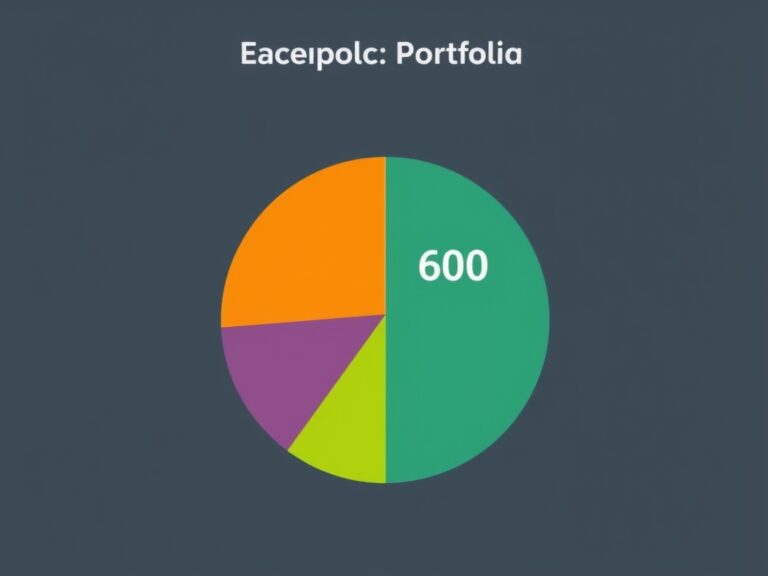
Once you have a handle on your baseline and an appreciation for compounding, the next step in this essential guide to building wealth is understanding asset allocation. Diversification is your primary defense against market volatility, and it involves spreading your investments across different classes like equities, bonds, real estate, and cash equivalents. The goal here is not to ‘beat the market’ every single year, but to achieve a risk-adjusted return that aligns with your specific life goals and timeline.
- Determine your risk tolerance based on your age and proximity to retirement.
- Avoid putting all your eggs in one basket, regardless of how promising a specific sector may look.
- Rebalance your portfolio annually to maintain your desired level of risk.
By keeping a diversified portfolio, you ensure that a downturn in one sector doesn’t completely derail your long-term success. It is important to remember that markets are cyclical; what goes down will eventually come back up, and what is currently soaring may face a correction later. Education is your best tool here—take the time to understand what you are actually investing in rather than following anonymous tips on social media. Building sustainable wealth requires a logical, data-driven approach that ignores the daily noise of financial news cycles. As you grow your net worth, shift your focus from high-risk speculation to value-based growth strategies that stand the test of time. A well-constructed portfolio is like a ship; it might wobble during a storm, but it is built to reach the destination safely.
The Psychology of Wealth: Maintaining Discipline
Ultimately, the biggest hurdle you will face on your journey to wealth is not the stock market, but your own brain. Our human instincts often drive us to buy when prices are high (fear of missing out) and sell when they are low (panic), which is the exact opposite of what you need to do to succeed. Developing a wealth-building mindset requires a high degree of emotional intelligence and the ability to delay gratification for the sake of long-term rewards.
- Cultivate patience by focusing on your long-term ‘why’ rather than short-term gains.
- Practice ‘frugal innovation’ by finding ways to live well while spending less than you earn.
- Celebrate small milestones to keep your motivation high throughout the multi-year process.
It helps to view your investments through the lens of a long-term owner, not a short-term trader. When you truly understand that building wealth is about purchasing future freedom, it becomes much easier to ignore the temporary fluctuations in your account balance. Surround yourself with communities or mentors who prioritize financial literacy and healthy habits. Remember that financial success is not just about accumulating assets, but about the character you build while doing so. Stay curious, keep learning about tax-efficient investing strategies, and remain humble even when things are going well. By keeping a cool head, you differentiate yourself from the masses and secure a future defined by your own terms and choices.