
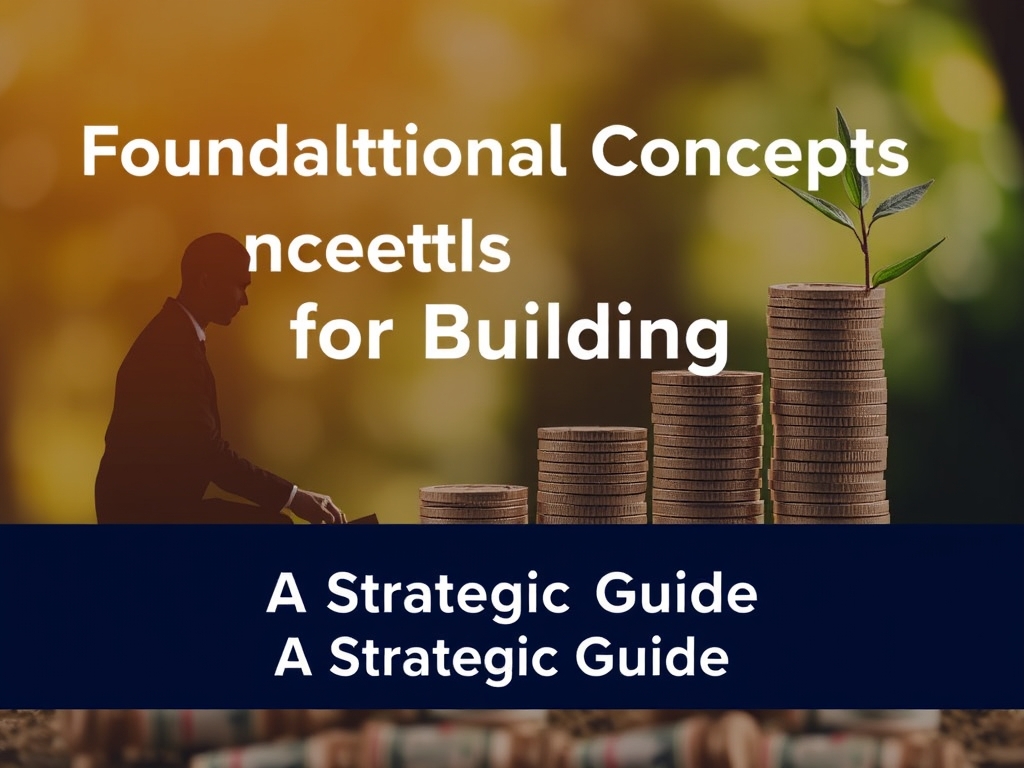
Foundational Concepts for Building Long-Term Wealth: A Strategic Guide
Building the Bedrock: The Psychology of Wealth
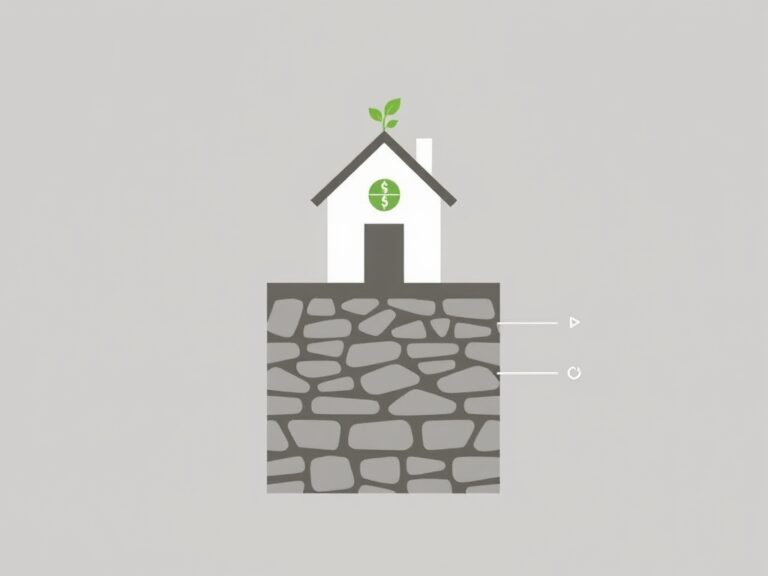
Building long-term wealth isn’t just about crunching numbers; it’s about mastering your mindset regarding money. To embark on this journey, you must first understand that wealth is a marathon, not a sprint, requiring patience and disciplined consistency. Think of your financial future as a house; you cannot build a mansion on a swampy foundation without first reinforcing the ground beneath it. Self-awareness is your primary tool here, as it helps you distinguish between fleeting wants and genuine long-term needs. Many people struggle because they focus solely on ‘getting rich quick’ rather than developing the steady habits that lead to sustainable prosperity. By shifting your perspective, you begin to see every dollar as a seed that can be planted for future growth.
- Prioritize saving before spending.
- Eliminate high-interest debt immediately.
- Define what financial freedom truly means to you personally.
When you align your daily actions with your future goals, you create a powerful momentum that propels you toward success. Remember, the wealthiest individuals often attribute their success to a compounding philosophy rather than pure luck. Start by tracking your expenses to identify areas where your capital is leaking away, then redirect those funds toward productive assets. This foundational shift is the most critical step in your entire wealth-building strategy, setting the tone for every decision you make moving forward.
The Magic of Compounding: Your Greatest Financial Ally
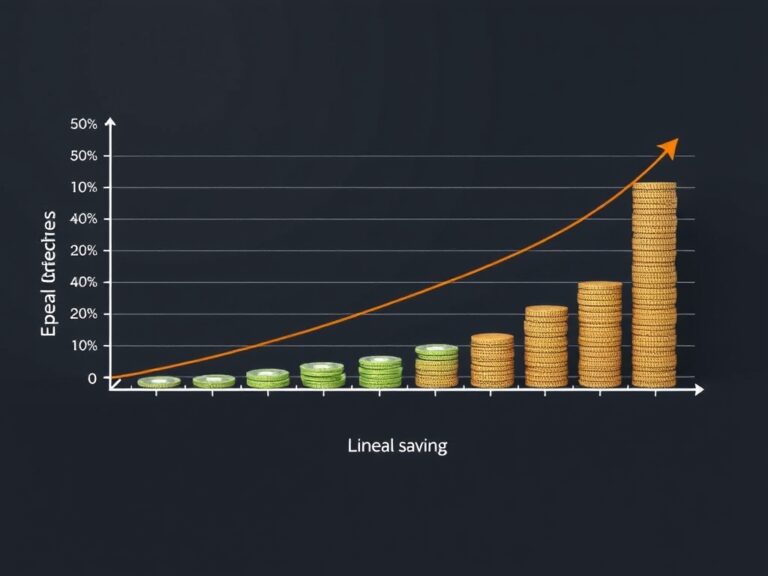
If there is one secret ingredient to building lasting wealth, it is undoubtedly the power of compounding. Albert Einstein famously called it the eighth wonder of the world, and for good reason—it turns small, consistent contributions into significant fortunes over time. When you invest early, your earnings start to earn their own interest, creating a ‘snowball effect’ that accelerates your net worth growth. The key is to start as soon as possible, even if you are only setting aside a small amount each month. Consistency beats intensity in this game, meaning a steady, smaller investment is often more effective than a sporadic, larger one. You should look into diversified vehicles like index funds or ETFs to capture broad market growth while minimizing individual stock risk.
- Automate your investments to remove emotional bias.
- Reinvest all dividends to maximize the snowball effect.
- Stay the course during market volatility to avoid locking in losses.
By keeping your capital working for you 24/7, you allow time to do the heavy lifting that you couldn’t possibly achieve through labor alone. Think of compounding as a silent partner that never sleeps, constantly expanding your financial horizon. If you wait until you have ‘enough’ to start, you will likely miss out on the most lucrative years of exponential growth. Therefore, even if your budget is tight, prioritizing small monthly investments is far better than waiting for the perfect financial moment that may never arrive.
Strategic Asset Allocation: Diversify to Thrive
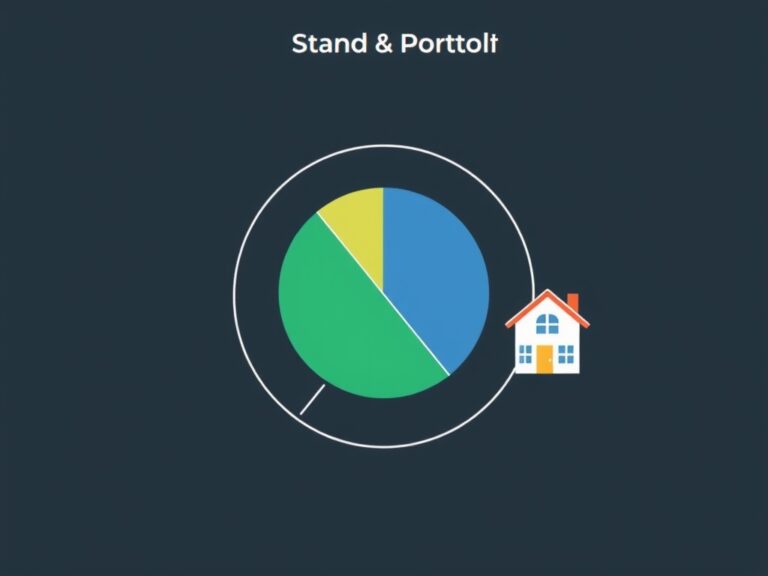
Once you have the mindset and the compounding engine in place, it is time to master asset allocation. You have likely heard the age-old advice: ‘don’t put all your eggs in one basket,’ and this remains the gold standard for long-term wealth preservation. A well-diversified portfolio acts as a shock absorber during market downturns, ensuring that your wealth isn’t wiped out by a single failing sector or company. By balancing different asset classes—such as equities, bonds, real estate, and cash—you can create a risk-adjusted profile that suits your specific age and financial goals.
- Review your portfolio at least annually to rebalance.
- Ensure you have exposure to both domestic and international markets.
- Consider inflation-hedging assets like commodities or real estate.
Many investors make the mistake of chasing the ‘hottest’ stock of the moment, which often leads to emotional trading and poor results. Instead, focus on a long-term allocation strategy that stays within your personal risk tolerance while still offering enough growth potential to outpace inflation. Remember, the goal of diversification is not necessarily to maximize short-term gains, but to guarantee your survival and growth across multiple market cycles. As you get older, you might shift towards more conservative holdings, but the principle of balancing risk remains the core tenet. Ultimately, a strategic approach to your assets provides the peace of mind needed to sleep soundly, even when the broader economy experiences turbulent days.
Maintaining the Momentum: Wealth Preservation Habits
Finally, building wealth is only half the battle; preserving it requires an equal level of vigilance and strategic planning. Many people successfully grow their income, only to see it disappear due to lifestyle inflation or a lack of proper tax planning. Financial literacy is a lifelong pursuit, and staying informed about tax-advantaged accounts like IRAs or 401(k)s can save you thousands over the course of your career. Ensure that you have an emergency fund covering three to six months of expenses so that you are never forced to liquidate your investments during a market dip.
- Avoid high-interest consumer debt at all costs.
- Keep your lifestyle growth slower than your income growth.
- Consult with professionals for complex tax or estate planning needs.
Protecting your wealth also means having adequate insurance to cover life’s unexpected emergencies that could otherwise devastate your savings. Stay humble, stay curious, and continue learning about new financial tools and market trends that could affect your long-term success. By cultivating these sustainable habits, you move from being a ‘saver’ to a ‘wealth builder’ who is prepared for any scenario. Your journey toward lasting prosperity is paved with the small, daily choices you make today. Trust the process, embrace the long-term perspective, and enjoy the security that comes with having a clear, actionable plan for your future financial legacy.