
Building Long-Term Wealth: Essential Foundational Concepts for Financial Success
Mastering the Mindset of Wealth Creation
Building long-term wealth isn’t just about how much you earn; it is fundamentally about your financial psychology and your ability to delay gratification. Many people fall into the trap of ‘lifestyle creep,’ where their spending rises in lockstep with their income, leaving them with no surplus to invest. To break this cycle, you must shift your perspective from being a consumer to being a strategic investor who prioritizes the future over immediate indulgence. Developing a wealth-building mindset requires consistent discipline, patience, and a clear understanding of your long-term goals. When you view your money as a tool that can buy your freedom rather than just goods, your decision-making processes naturally improve.
- Start by tracking every dollar.
- Automate your savings to remove emotional friction.
- Set specific milestones for your financial journey.
This foundational shift is what separates those who struggle paycheck-to-paycheck from those who create lasting prosperity. Remember, wealth is not about showing off; it is about having options when life takes unexpected turns. By mastering these habits today, you are essentially purchasing your future independence one smart decision at a time. It is a slow, methodical process that rewards those who stay the course despite market fluctuations. You deserve to live a life on your own terms, and that begins with taking full accountability for your financial path.

The Magic of Compound Interest: Your Best Financial Friend
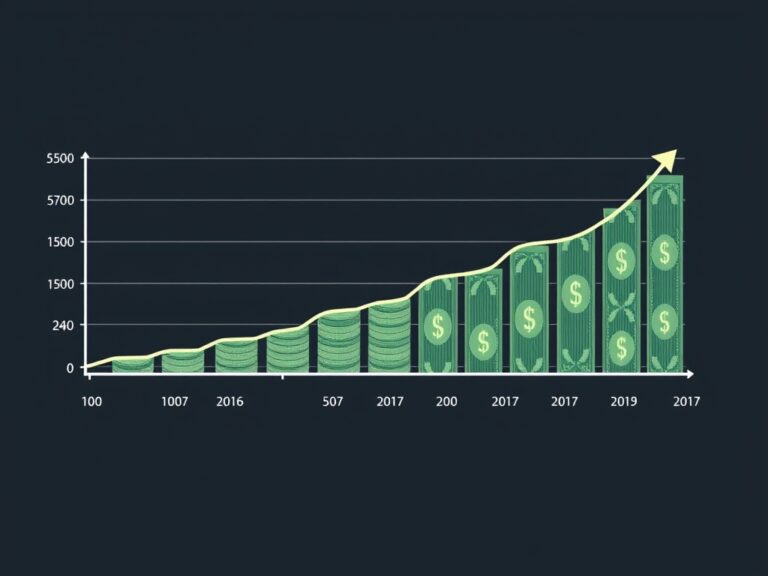
Albert Einstein famously called compound interest the ‘eighth wonder of the world,’ and for good reason—it is the engine that drives true wealth accumulation. Essentially, compound interest is the process where the money you earn on your investments starts earning its own money, creating a snowball effect over time. Even if you start with small amounts, the time horizon is your greatest asset because the longer your money stays invested, the more powerful the growth becomes. If you invest $500 monthly at a consistent return rate for thirty years, the math reveals a staggering difference compared to starting later in life.
- Prioritize tax-advantaged accounts like 401(k)s or IRAs.
- Maximize your employer matching contributions first.
- Diversify your portfolio to mitigate unnecessary risks.
You don’t need a massive inheritance or a six-figure salary to start building a portfolio; you simply need the habit of consistent, automated investing. It is far more important to start early than it is to start big, as the power of time can overcome many other financial deficiencies. Watch as your initial deposits evolve into a robust nest egg through the steady, predictable mechanism of reinvesting dividends and capital gains. By allowing your wealth to compound, you are doing the hard work once and letting your money work for you forever. Stay patient, stay invested, and let time do the heavy lifting for you.
Strategic Asset Allocation for Long-Term Success
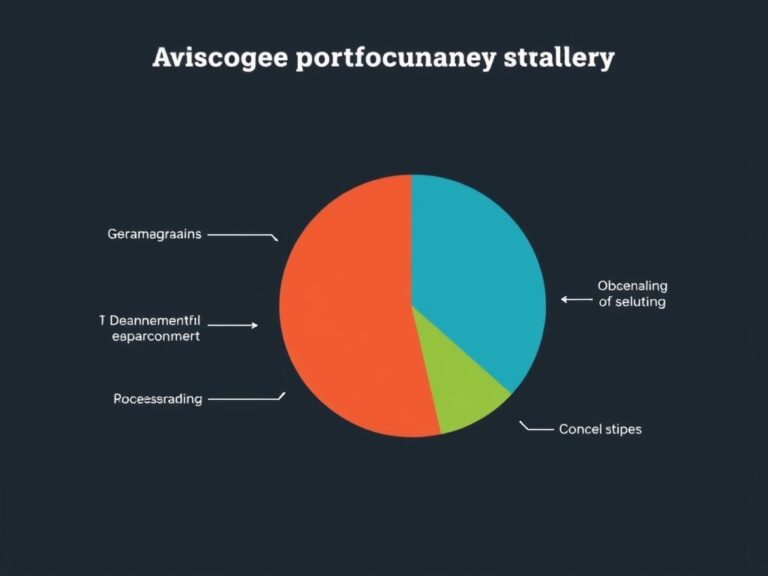
Achieving financial security requires more than just picking a few ‘hot’ stocks; it demands a structured approach to asset allocation that aligns with your specific risk tolerance. A well-diversified portfolio acts as a safety net, ensuring that your wealth is spread across various asset classes like equities, bonds, and real estate to weather market downturns. The goal isn’t to beat the market every single day but to capture the market’s long-term growth while protecting yourself from sector-specific collapses. Many successful investors use index funds or ETFs because they offer instant diversification and low fee structures, which are vital for maintaining high net returns.
- Rebalance your portfolio at least once per year.
- Keep emergency funds in high-yield savings accounts.
- Avoid making emotional trades based on short-term news.
When you have a solid strategy in place, you can ignore the constant noise from financial news channels and remain focused on your endgame. Understanding your risk tolerance is key because if your portfolio is too aggressive, you might panic sell when things get volatile; if it’s too conservative, you might fail to outpace inflation. Find that ‘sweet spot’ where you are comfortable enough to hold through bear markets but active enough to grow your capital. Your strategy should be a living document that adjusts as you grow older and move through different life stages. True wealth is built on consistency, not gambling on speculative assets that promise overnight riches.
Protecting Your Legacy and Future Self
Finally, building long-term wealth is only half the battle; the other half is protecting the wealth you have worked so hard to build. This means implementing defensive financial planning, which includes having adequate insurance, creating an estate plan, and maintaining a robust emergency fund to cover three to six months of expenses. You never want a single unexpected disaster—like a medical emergency or a major home repair—to derail years of compounding progress. Furthermore, legal protections like wills or trusts ensure that your assets are managed exactly as you intend, providing security for your family.
- Review your insurance coverage periodically.
- Set up an estate plan or trust for family security.
- Always keep an emergency buffer to avoid high-interest debt.
By proactively insulating your finances against risks, you gain the peace of mind necessary to continue growing your wealth without constant anxiety. It is essential to treat your financial life like a business by monitoring your net worth, auditing your expenses, and seeking expert advice when necessary. Wealth isn’t just about the numbers on your statement; it is about the security and freedom it provides for you and your loved ones. Take control today, stay consistent with your goals, and watch as your foundational habits turn into a lifetime of financial success. The journey to financial freedom is a marathon, not a sprint, and you are already on the right path by seeking knowledge.