
Understanding Market Trends: A Plain-English Guide to Economic Indicators
Decoding the Pulse of the Economy
Have you ever wondered why the news is constantly buzzing about economic indicators and what they actually mean for your wallet? Understanding market trends might sound like a task reserved for Wall Street analysts, but it is actually a vital skill for anyone looking to navigate their personal finances with confidence. 📈 At its core, economic indicators are essentially the ‘vital signs’ of a country, helping us measure the health of the marketplace. Think of them as a dashboard for the economy; just as your car tells you your speed and fuel level, these metrics tell us if growth is accelerating or if we are hitting a rough patch. Whether you are an investor or simply a curious professional, grasping these basics can turn confusing headlines into actionable knowledge. We are going to strip away the jargon to show you exactly how to interpret these signals. By the end of this post, you will feel empowered to look at financial reports without feeling overwhelmed. Let’s dive into the fascinating world of macroeconomics, one simple step at a time! 🚀

The Big Three: GDP, Inflation, and Employment
When trying to decipher the state of the market, there are three primary pillars you should always keep an eye on. First, Gross Domestic Product (GDP) is the total value of all goods and services produced; it is the ultimate scoreboard for economic expansion. 📊 Second, we have inflation, which measures how much your purchasing power changes over time as prices shift. If inflation is too high, your money doesn’t go as far at the grocery store, but if it is too low, it might signal stagnation. Third, the unemployment rate provides a clear look at how many people are actively seeking work but can’t find it. When these three interact, they paint a complete picture of economic reality:
- High GDP + Low Unemployment usually means a ‘hot’ economy.
- High Inflation + Stagnant Growth often leads to cost-of-living challenges.
- Declining Indicators serve as a warning sign for potential market corrections.
Tracking these three metrics gives you a baseline for understanding broader trends. Don’t worry if they seem complex at first; they are simply measuring the flow of money, labor, and goods through our daily lives.
Leading vs. Lagging Indicators
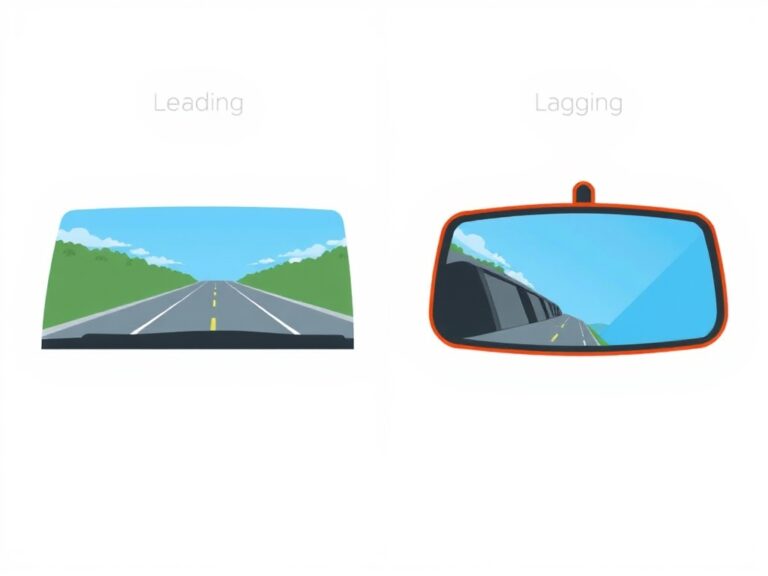
Not all economic data is created equal, and knowing the difference between leading and lagging indicators is a game-changer for your perspective. 💡 Leading indicators are the ‘crystal ball’ of the financial world; they change *before* the economy as a whole shifts. Examples include stock market performance, manufacturing orders, and consumer confidence surveys. These data points help analysts predict what might happen in the coming months. Conversely, lagging indicators provide a retrospective look at events that have already occurred. Examples include the unemployment rate and interest rates set by central banks. While lagging indicators confirm historical trends, they are crucial because they validate our long-term economic theories. Understanding this rhythm helps you avoid reacting to short-term noise while missing the bigger picture. 🔍 It is like driving a car using both your windshield to see the road ahead and your rearview mirror to see where you have been. Both are essential for safe navigation and long-term planning. By balancing both types of data, you become much more adept at identifying genuine market shifts.
Putting It Into Perspective
So, why should you care about all this data? Ultimately, keeping a pulse on economic indicators helps you make smarter decisions about your career, your investments, and your long-term savings goals. 💰 When you see reports about interest rate hikes or shifts in consumer spending, you can now connect the dots to see how they impact your own financial stability. It is about moving from a reactive mindset to a proactive one, where you feel prepared for whatever the market throws your way. Remember, even experts don’t have a perfect crystal ball, but they do have a better understanding of how these signals interact. 🌟 Stay curious, keep reading, and never be afraid to ask questions about the news you see. Economics does not have to be a closed circle of elites; it is the study of how we all live and trade. You are now equipped with the vocabulary and the framework to start observing these trends for yourself. Start small, track one indicator at a time, and watch how much clearer your view of the market becomes! Thank you for joining me on this journey of economic discovery.