
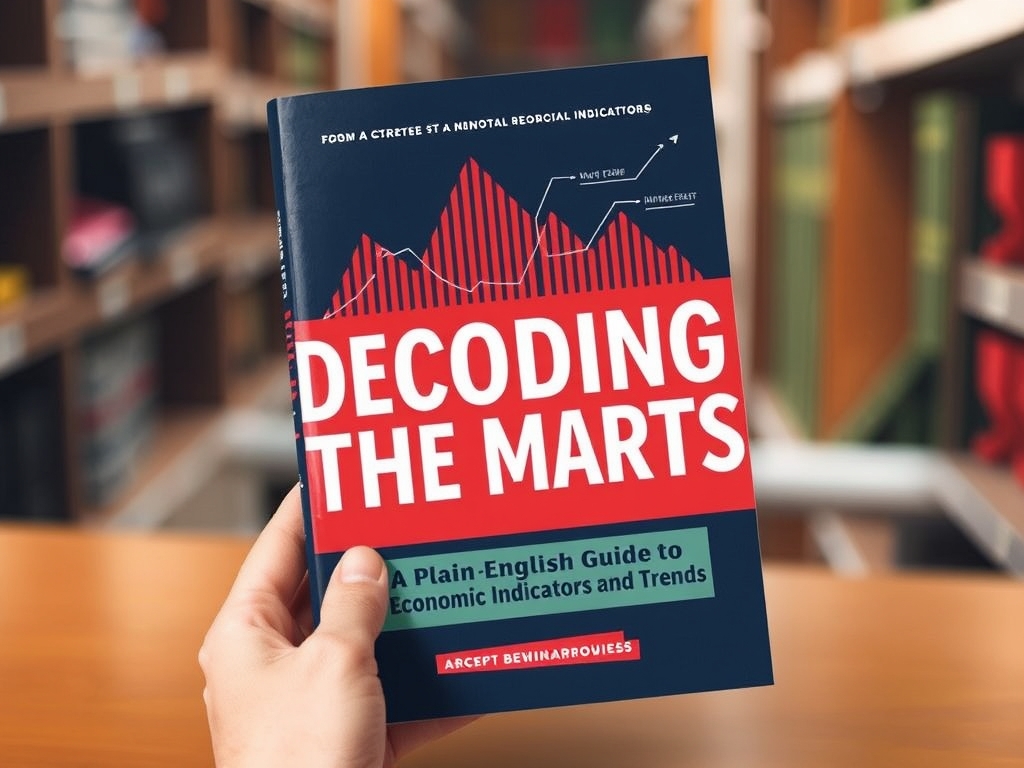
Decoding the Markets: A Plain-English Guide to Economic Indicators and Trends
Understanding the Pulse of the Global Economy
Have you ever felt like financial news is written in a secret language? You are certainly not alone, but decoding the markets is much simpler than the jargon makes it seem. At its core, the economy is just a giant scoreboard measuring how we create and exchange value. By learning to watch a few key economic indicators, you can stop guessing and start understanding the trends that impact your wallet. Think of these indicators as a dashboard for a car; they tell you if you are cruising at a safe speed or heading toward a potential breakdown. Whether you are a casual investor or just someone trying to understand inflation, getting a grasp on these metrics is a game-changer. We are going to strip away the complexity and look at the real drivers of market movement. Ready to demystify the numbers? Let’s dive into the essential tools you need to read the economic landscape with confidence.

The Big Three: GDP, Inflation, and Employment
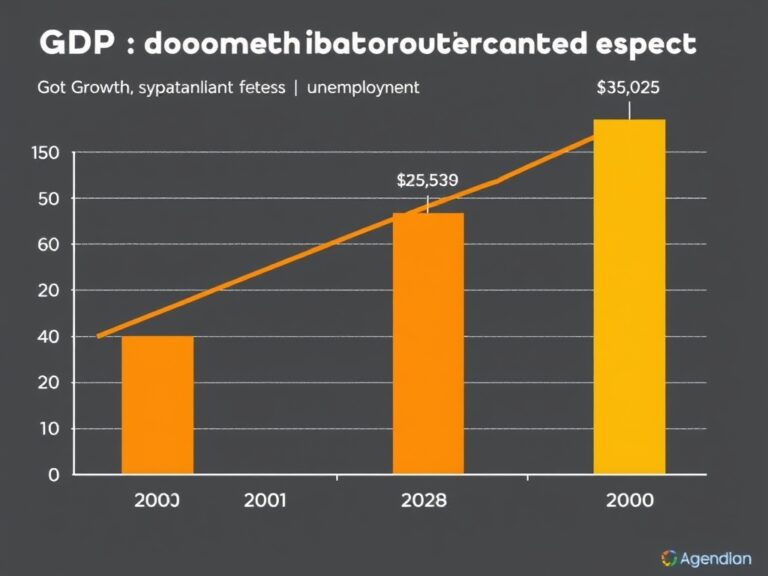
When experts discuss market health, they almost always point to three main pillars: Gross Domestic Product (GDP), Consumer Price Index (CPI), and Unemployment Rates.
- GDP: This measures the total value of goods and services produced, essentially telling us if the economy is growing or shrinking.
- Inflation (CPI): This tracks how much the cost of living increases over time, acting as a gauge for purchasing power.
- Unemployment: A low jobless rate usually suggests a healthy, expanding economy where companies are hiring.
Keeping an eye on these data points helps you anticipate whether the Federal Reserve might hike interest rates or if consumer confidence is likely to dip. It is about understanding the rhythm of the business cycle, which naturally fluctuates between expansion and contraction. When these metrics move in unison, they provide a reliable map of where the economy is headed. Don’t worry if they seem abstract at first; they are just reflections of millions of individual daily transactions. By tracking these, you get ahead of the curve instead of reacting to headlines after the fact.
Why Interest Rates Matter to You
If there is one indicator that holds the most power, it is the Federal Funds Rate. This is the interest rate set by central banks, and it acts like a thermostat for the entire economy. When the economy is overheating, banks raise rates to slow down borrowing and control inflation. Conversely, when the economy is sluggish, they lower rates to encourage spending and business expansion. Understanding interest rates is critical because they affect everything from your mortgage payments to the yield on your savings account. When rates are high, borrowing becomes expensive, which often cools down the stock market and housing sector. When they are low, money is ‘cheap,’ which typically fuels stock market growth and consumer investment. It is a delicate balancing act that requires constant monitoring by policymakers. Mastering this concept gives you a massive advantage in predicting how your personal finances might change in the coming year.
Translating Trends into Personal Strategy
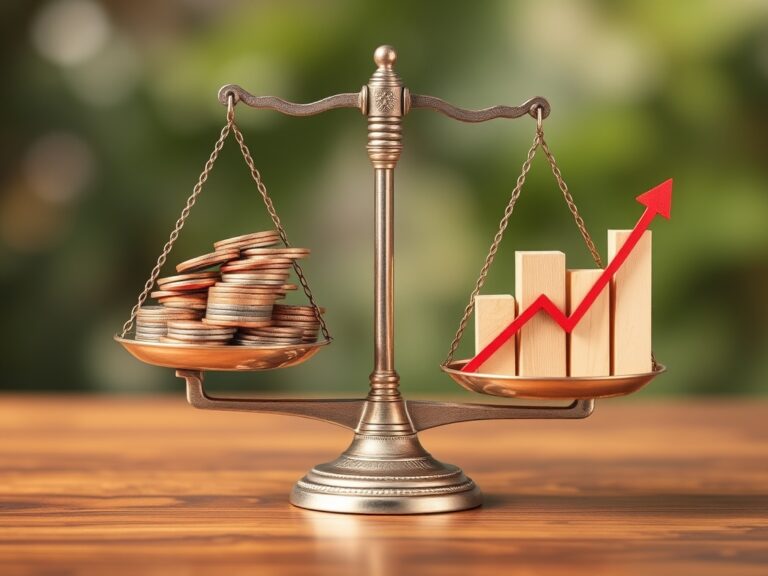
So, how do you take this data and turn it into actionable insight? The trick is to avoid overreacting to short-term market volatility and focus instead on long-term trends. Use tools like news aggregators or financial blogs to keep an eye on these indicators without getting overwhelmed by the 24-hour news cycle. Remember that markets are forward-looking; they often price in expected data before it is even officially released. This means that if everyone expects high inflation, the market has already adjusted by the time the report drops. Diversification remains your best defense against the uncertainty that these trends bring. Stay curious, keep reading, and eventually, the ‘language of the markets’ will become second nature to you. By staying disciplined and informed, you can navigate economic cycles with the calmness of an expert. You don’t need a Wall Street degree to make smart decisions—you just need the right perspective. Keep your focus on the horizon and let these economic indicators guide your path forward.