
Foundational Principles for Building Long-Term Wealth: A Strategic Guide
Mastering the Mindset of Financial Growth
Building long-term wealth isn’t just about luck or landing a massive bonus; it is about cultivating a disciplined mindset that views money as a tool for freedom. To start your journey, you must shift from a ‘consumer’ mentality to an ‘investor’ mentality, which requires patience and vision. Think of your financial future as a garden that needs consistent watering and protection from the weeds of impulse spending. True wealth is often hidden in the boring, repetitive actions you take every single day, not just in high-stakes market bets. It is essential to understand that time is your greatest asset in compounding interest, so starting now is always better than starting later. You need to define what wealth looks like to you personally, as it serves as your compass when the markets get volatile. By setting clear goals, you create a psychological anchor that helps you ignore the noise of ‘get rich quick’ schemes. Remember, the journey to financial independence is a marathon, not a sprint, and requires staying focused on your long-term destination. Keep your objectives visible to remind yourself why you are sacrificing short-term pleasures for a better tomorrow. When you prioritize sustainability over speed, you set yourself up for a lifetime of stability.

The Art of Strategic Budgeting and Cash Flow
Effective wealth management starts with mastering the basics of cash flow, ensuring you always know where your money goes every month. It is not enough to just earn more; you must protect your margins by tracking expenses with tools like budgeting apps or simple spreadsheets. You should categorize your spending into essential needs and discretionary wants, aiming to widen the gap between your income and your costs. Consider adopting the 50/30/20 rule:
- 50% for necessities
- 30% for personal desires
- 20% for savings and debt repayment
This framework provides structure while still allowing you the flexibility to enjoy your life today. If you find yourself consistently spending everything you earn, you are effectively trapped in a cycle that prevents capital accumulation. By automating your savings, you remove the emotional struggle of deciding to set money aside each month. Treat your savings as a non-negotiable bill that you pay to your future self before anything else. This simple habit forces you to live on what remains, which often leads to more conscious and intentional spending patterns. Over time, this efficiency builds the necessary liquidity to seize investment opportunities as they arise.
Diversification: Your Best Defense Against Risk
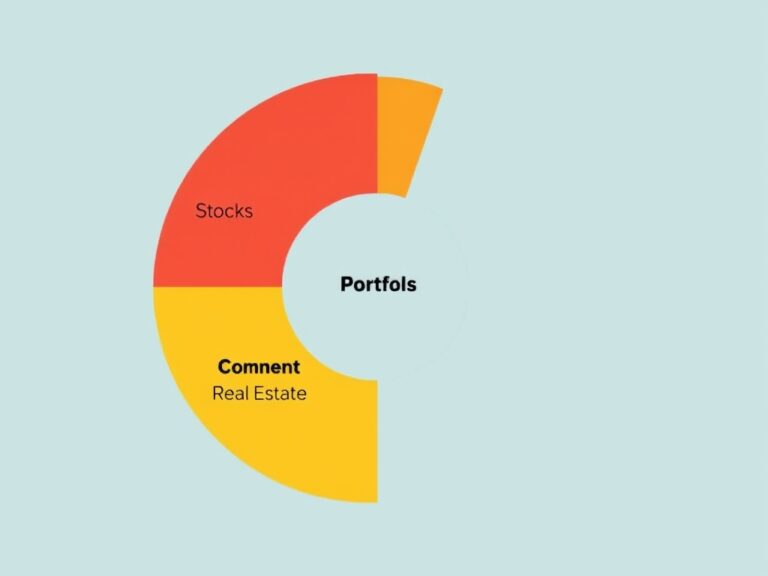
In the world of investing, putting all your eggs in one basket is the quickest way to derail your long-term success. Diversification is the foundational principle that allows you to capture market gains while minimizing the impact of any single asset’s decline. You should aim to spread your capital across various asset classes, such as:
- Low-cost index funds
- Real estate holdings
- Bonds and fixed-income assets
- Equities in emerging sectors
This balanced approach ensures that your portfolio stays resilient even when specific industries experience downturns or volatility. It is not about chasing the highest daily returns but about ensuring your total net worth trends upward over the course of decades. You should periodically rebalance your portfolio to ensure your allocation remains aligned with your risk tolerance and timeline. Do not be tempted to frequently tinker with your investments based on news headlines, as this often leads to ‘buying high and selling low.’ Instead, rely on a steady, diversified strategy that allows you to sleep soundly at night regardless of market conditions. By mitigating risk, you protect your hard-earned capital, which is the fuel for your future compounding engine.
Harnessing the Power of Compounding Interest
Albert Einstein famously called compound interest the ‘eighth wonder of the world,’ and for good reason—it is the secret sauce for any long-term wealth strategy. When you reinvest your earnings, you begin to generate returns on your returns, creating a snowball effect that accelerates your wealth over time. Patience is the most critical element here, as the magic happens in the later years of your investment journey. To maximize this, you must stay invested through both bull and bear markets, avoiding the temptation to pull your money out when things get shaky. Use a tax-advantaged account whenever possible, such as a 401(k) or IRA, to let your money grow without the drag of unnecessary taxes. The earlier you contribute, the less you have to ‘save’ later, because your initial contributions have more time to work their magic. It is fascinating to see how even small, consistent contributions can turn into substantial sums over twenty or thirty years. Keep your eyes on the ‘big picture’ and ignore the urge to check your account balance every single day. This passive growth allows you to build significant assets without needing to sacrifice all your time and mental energy to constant trading. Your goal is to reach a tipping point where your passive income covers your living expenses.