

7 Foundational Principles for Building Long-Term Wealth and Financial Freedom
Mastering Your Money Mindset: The First Step to Financial Freedom
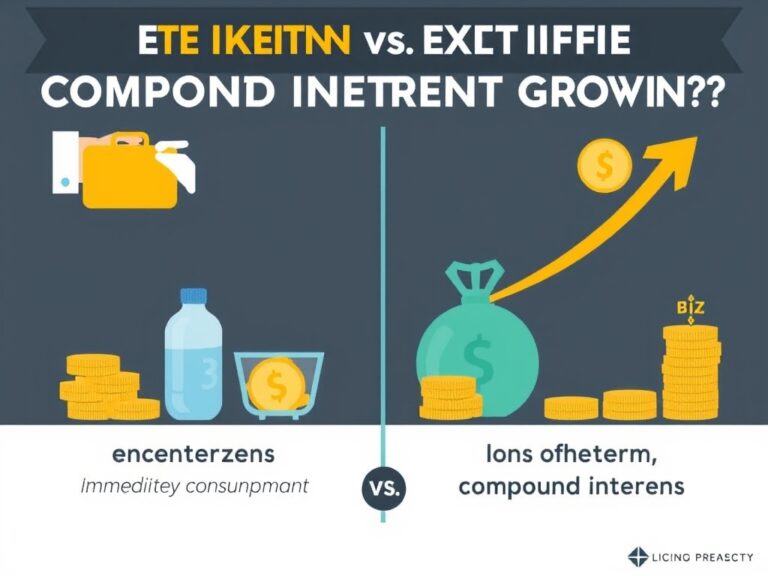
Building long-term wealth isn’t just about crunching numbers; it’s about mastering your mindset to prioritize your future self over instant gratification. Most people fail because they view money as something to be spent rather than a tool to be deployed for growth. To start your journey toward true financial freedom, you must first define exactly what that freedom looks like for you. Is it the ability to quit your job, travel the world, or simply pay for your family’s security? By setting clear, measurable goals, you transition from ‘wishing’ for wealth to actively engineering it. Think of your money as seeds; if you eat them now, you’ll never see the harvest. You need to develop the discipline to delay gratification, which is arguably the most critical skill for anyone aiming for long-term stability. Remember, the journey isn’t a sprint but a marathon that requires patience and a strategic outlook. By shifting your focus from consumption to wealth creation, you take the first step toward lasting success. Stop focusing on what you lack today and start focusing on the systems you can build for tomorrow. This shift in perspective is what separates those who struggle paycheck to paycheck from those who eventually reach financial independence. Stay focused on your vision, and keep your eye on the ultimate prize of long-term freedom.
The Power of Budgeting and Spending Management
You cannot manage what you do not measure, which makes tracking your income and expenses a non-negotiable principle for wealth. Many people fear the word ‘budget’ because they think it implies restriction, but in reality, a budget is just a spending plan that gives you permission to spend on what matters most. By categorizing your needs versus wants, you create a buffer that allows you to direct excess cash toward your financial goals. Consider using the 50/30/20 rule as a starting framework to keep your finances organized without getting overwhelmed. The core pillars for effective money management include:
- Tracking every dollar spent to identify ‘leaky buckets.’
- Automating your savings so you don’t have to rely on willpower.
- Reducing high-interest debt that acts as a financial anchor.
- Building an emergency fund to handle life’s inevitable surprises.
By keeping your fixed costs low, you create more breathing room to invest in assets that appreciate over time. Don’t look at frugality as punishment; look at it as a conscious choice to prioritize your future life. When you intentionally manage your cash flow, you stop being a passenger in your financial life and start taking the wheel. Mastering your spending habits today ensures you have the capital necessary to fuel your investments tomorrow. It is truly the foundation upon which all other wealth-building strategies are built.
Harnessing Compound Interest and Investing for the Future
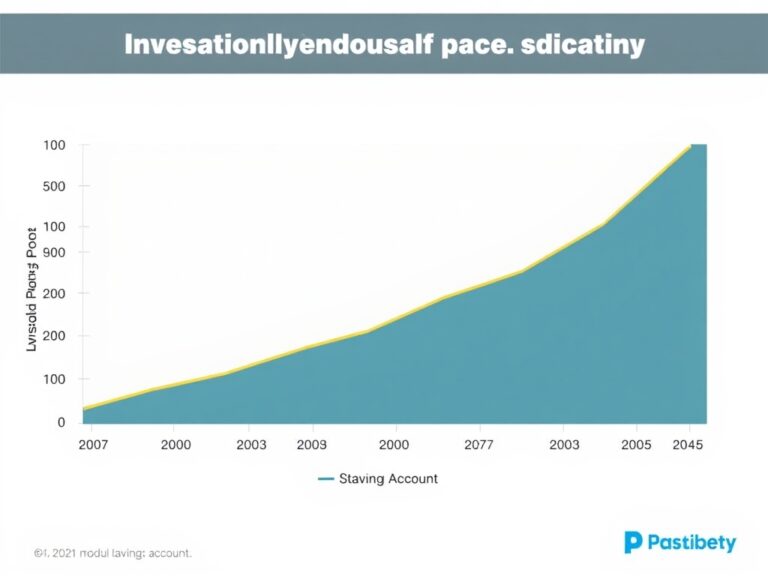
If there is a secret weapon in the world of personal finance, it is without a doubt compound interest, often referred to as the eighth wonder of the world. By investing early and consistently, you allow your money to work for you rather than having to trade your time for every dollar you earn. Time is the most valuable asset in your portfolio because the earlier you start, the more powerful your growth becomes. You should aim to diversify your investments across various asset classes like stocks, index funds, and real estate to mitigate risks while capturing market gains. The primary objective is to build a diversified portfolio that compounds over decades, turning small, regular contributions into a significant nest egg. Consider the following key strategies:
- Start investing today, regardless of how small the amount might seem.
- Use tax-advantaged accounts like IRAs or 401(k)s to maximize your returns.
- Stay consistent, even when the market feels volatile or uncertain.
- Reinvest all dividends to accelerate the compounding process.
When you let the market do the heavy lifting, you are essentially buying your future freedom with your present labor. It is a slow, methodical process that demands discipline and, more importantly, patience. Avoid the temptation to time the market, as time in the market consistently beats timing the market. Commit to a strategy, automate your contributions, and let the mathematical magic of compounding handle the rest for you.
Protecting Your Wealth and Sustaining Financial Freedom
Building wealth is one challenge, but keeping it is an entirely different endeavor that requires defensive planning. You must protect your assets from the risks of life, including lawsuits, health emergencies, and unexpected economic downturns. This involves having proper insurance coverage, estate planning, and an ironclad emergency fund that acts as a fortress for your family. Financial freedom is not just about having money; it’s about having the safety net that prevents one bad event from undoing years of hard work. As your wealth grows, so does the complexity of your financial situation, necessitating a more proactive approach to tax planning and asset protection. You might consider professional guidance to ensure your legacy is secure and your assets are allocated efficiently. Remember that sustainable wealth is maintained by staying humble and avoiding unnecessary risks just to show off or compete with others. Always prioritize your net worth over your ‘net appearance,’ as the latter is merely a vanity metric that adds nothing to your security. Keep your lifestyle inflation in check even as your income rises; this is the most common pitfall for those who achieve early success. By guarding your wealth as fiercely as you built it, you ensure that your financial freedom lasts a lifetime. True success is knowing you have the resources to weather any storm that comes your way.