
Making Sense of Markets: A Plain-English Guide to Economic Indicators and Trends
Understanding the Economic Pulse: Why Market Trends Matter
Have you ever scrolled through financial news and felt like you were reading a foreign language? You aren’t alone; the world of economic indicators can feel intimidating, but it is actually the heartbeat of our daily lives. At its core, an economic indicator is simply a piece of data—usually a statistic—that helps us understand the current health of an economy or predict where it might be headed next. Whether you are an investor, a small business owner, or just someone trying to budget effectively, making sense of markets is essential for making informed decisions. Think of these indicators as the ‘check-engine lights’ on your car dashboard; they alert you when things are running smoothly or when maintenance is required. By learning to decode these trends, you stop reacting to headlines and start understanding the underlying narrative of the global economy. This guide is designed to strip away the jargon and give you a plain-English perspective on the metrics that truly move the needle. Let’s start our journey by demystifying the big picture and figuring out how individual data points fit into the broader economic landscape. By the end of this post, you’ll feel empowered to look at a market report and see exactly what it means for your wallet. It’s time to take the mystery out of the markets and gain clarity on the trends that shape our world.

The Big Three: GDP, Inflation, and Employment
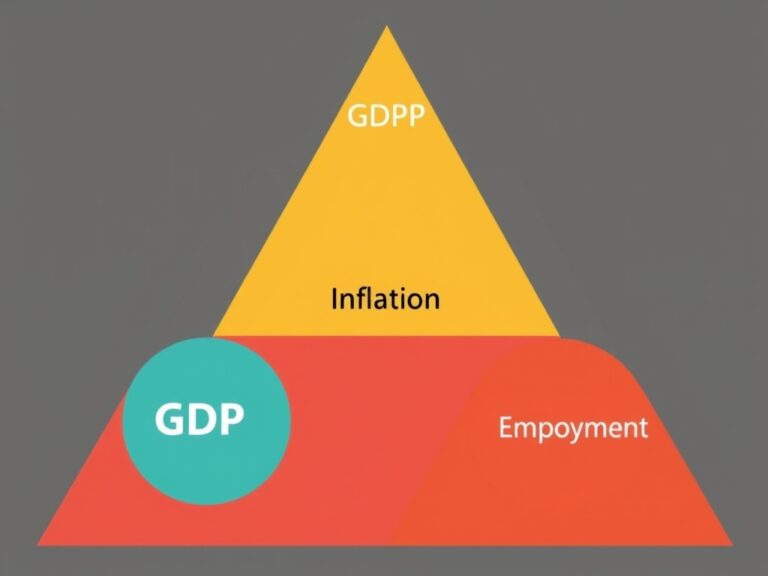
When experts talk about market health, they are almost always looking at a foundational triad of indicators: GDP, Inflation, and Employment.
- GDP (Gross Domestic Product) measures the total value of all goods and services produced, serving as the ultimate thermometer for economic growth.
- Inflation, often tracked by the Consumer Price Index (CPI), tells us how fast prices are rising, which directly impacts your purchasing power.
- Employment data, specifically the Non-Farm Payrolls, provides insight into how many people are working and, crucially, how much money is flowing into households.
If the economy were a human body, GDP would be your metabolism, inflation would be your blood pressure, and employment would be your muscle mass. When these numbers align, the economy is generally healthy and growing at a sustainable pace. However, when one spikes or dips unexpectedly, it sends shockwaves through the stock market as investors adjust their strategies accordingly. For instance, high inflation might lead central banks to raise interest rates, which can cool off borrowing and slow down growth. Understanding these three pillars allows you to cut through the noise and see the economic trends that actually matter. It is not just about the raw numbers; it is about the relationship between them and how they interact to form our reality.
Leading vs. Lagging: Knowing What to Watch
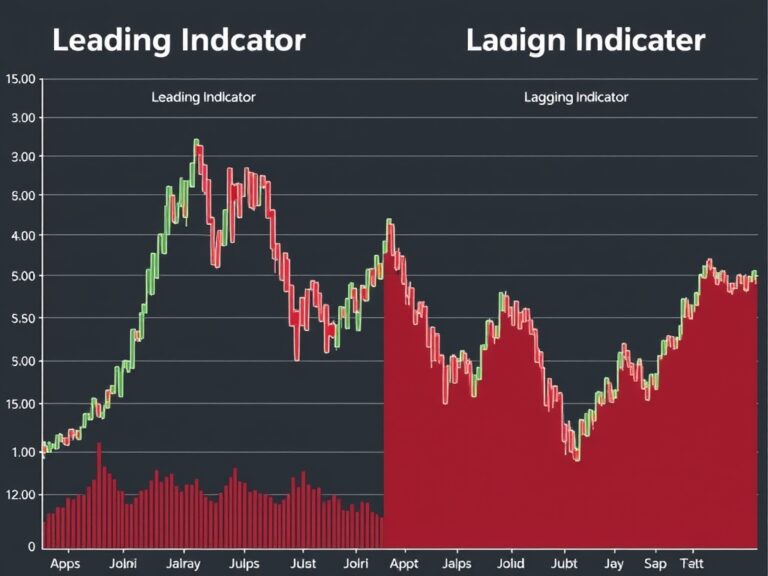
One of the most important concepts in economic analysis is distinguishing between leading and lagging indicators. A leading indicator is like a weather forecast; it points toward what might happen in the near future, such as stock market performance or manufacturing orders. Conversely, a lagging indicator is like looking at a rain gauge after the storm has already passed, such as the unemployment rate or corporate profits. Knowing the difference helps you avoid the common trap of relying on stale data to predict future outcomes. Why does this matter? If you only look at lagging indicators, you are always one step behind the curve, missing the opportunity to adjust your strategy before a market shift occurs. Conversely, leading indicators are inherently more volatile and sometimes provide false signals, so they should be interpreted with a degree of skepticism. A balanced approach involves looking at both to confirm a developing trend before taking any significant action. By keeping an eye on indicators like consumer sentiment (leading) alongside interest rate decisions (lagging), you build a robust mental model of the market. This dual focus ensures that you are neither blinded by the past nor paralyzed by the uncertainty of the future. Developing this intuition is a skill that separates seasoned observers from casual readers.
Your Toolkit for Long-Term Success
So, how do you keep up with these trends without spending your whole day glued to financial news channels? The secret lies in creating a simple monitoring routine that focuses on high-impact data releases rather than daily volatility.
- Set Alerts: Use financial apps to get notifications on major reports like the CPI or Fed meetings.
- Follow Trusted Sources: Stick to reputable institutions like the Bureau of Labor Statistics or major central bank portals to avoid ‘clickbait’ analysis.
- Look for Context: Always ask ‘compared to what?’ when seeing a new statistic, as a number in isolation means very little.
By keeping your strategy simple and focused, you prevent the information overload that often leads to poor financial decision-making. Remember, the goal of making sense of markets isn’t to be a professional trader, but to be a more knowledgeable participant in the economy. Every small step you take toward financial literacy compound over time, giving you a distinct advantage in navigating life’s economic shifts. Feel free to revisit this guide whenever you feel overwhelmed by a sudden market headline. You have all the tools you need to stay grounded and make choices that align with your long-term goals. Stay curious, keep learning, and don’t let the complexity of the economy deter you from mastering these foundational concepts!