

Market Trends Explained: A Plain-English Guide to Economic Indicators and Price Movements
Understanding the Pulse of the Markets
Have you ever looked at the news, seen a headline about economic indicators, and felt like you needed a degree in rocket science just to understand why your portfolio is dipping? Don’t worry, you aren’t alone; most people find the world of finance intimidating, but it doesn’t have to be. Think of the economy like a massive, living organism, and market trends are essentially its heartbeat. When we talk about price movements, we are really just tracking the collective mood and expectations of millions of investors worldwide. Understanding these shifts is crucial if you want to make informed decisions rather than just reacting to scary-sounding headlines. By breaking down complex data into simple, everyday terms, we can strip away the mystery surrounding Wall Street. In this guide, we will explore the core concepts that drive the financial world, ensuring you feel empowered rather than overwhelmed. Let’s start by demystifying the language of growth and contraction so you can navigate the market with confidence and clarity.

The Big Three: Key Economic Indicators
When investors talk about the health of an economy, they usually focus on a few heavy hitters known as economic indicators. These are essentially the vital signs that help us predict where things might be heading next. The most common ones include:
- GDP (Gross Domestic Product): The total value of goods and services produced, essentially the economy’s total output.
- Inflation (CPI): The rate at which the general level of prices is rising, which directly affects your purchasing power.
- Unemployment Rates: A measure of how many people are looking for work, reflecting the overall job market health.
It is fascinating how these three interact; for instance, low unemployment often leads to higher spending, which can subsequently nudge inflation upward. Watching these metrics is like checking the weather forecast before you go for a hike; it won’t prevent the storm, but it helps you prepare. If GDP is cooling off, businesses might become more conservative with their spending and expansion plans. Meanwhile, price movements in the stock market often act as a ‘leading indicator,’ meaning they try to predict what these stats will look like months before they are officially reported. Keeping an eye on these numbers turns a chaotic market into a logical system of cause and effect.

Why Prices Move: The Supply and Demand Dance
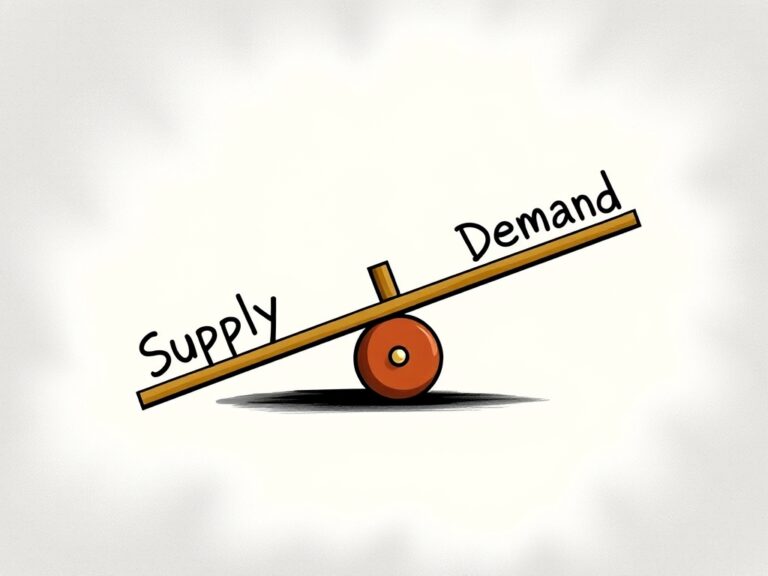
At the heart of every single price movement you see on your screen is a simple, age-old concept: supply and demand. When more people want to buy a stock than sell it, the price goes up, and when the selling pressure outweighs the buyers, prices head south. However, this dance is influenced by various external factors, including interest rate changes, corporate earnings reports, and even geopolitical tension. It is helpful to view market volatility not as a random mess, but as the market’s constant attempt to find a ‘fair’ price based on all available information. When news breaks, the market digests that information instantly, adjusting prices to reflect the new reality—a process known as price discovery. You might wonder why prices sometimes overshoot or drop too low; that is where investor sentiment comes into play. Fear and greed are the two primary drivers of human behavior, and they often cause the market to overreact in the short term. Learning to distinguish between a temporary emotional dip and a fundamental change in value is the secret sauce for any long-term investor. Staying calm when the market is jittery is often the most profitable move you can make.
Practical Tips for Navigating Market Trends
Now that you have a better grasp of the ‘why’ behind market behavior, how can you actually use this information to benefit your bottom line? First, diversification is your best friend because it acts as a shock absorber against those inevitable, unpredictable market swings. Instead of betting everything on a single trend or sector, spreading your investments helps smooth out the volatility. Second, try to avoid the common trap of ‘timing the market,’ which is notoriously difficult even for professional analysts. Instead, focus on time in the market; consistent, long-term investing generally yields far better results than trying to guess the tops and bottoms. Make sure to regularly review your portfolio to ensure it still aligns with your personal risk tolerance and financial goals. Keep an eye on
- your asset allocation
- current interest rate trends
- your long-term savings goals
and never let temporary market noise distract you from your ultimate mission. Remember, you don’t need to be a financial genius to succeed; you just need to be a disciplined and patient participant. By keeping it simple and staying informed, you can turn market trends from a source of stress into a tool for building your future wealth.