
Foundational Concepts for Building Long-Term Wealth: A Strategic Guide
Mastering Your Money Mindset: The First Step to Wealth
Building long-term wealth isn’t just about picking the right stocks; it begins with cultivating a growth mindset that prioritizes financial literacy over short-term gratification. Many people stumble because they view money as a finite resource rather than a tool for leverage and personal freedom. To start your journey, you must audit your current habits and identify areas where intentional spending can replace mindless consumption. Think of your finances as a garden that requires consistent tending rather than a lottery ticket that promises overnight success. Ask yourself: are you building assets, or are you accumulating liabilities that keep you stuck in a cycle of debt? By shifting your perspective, you turn every dollar earned into a potential employee working on your behalf. Successful wealth creators often swear by these foundational habits:
- Tracking every expense
- Setting clear financial milestones
- Automating savings contributions
- Prioritizing education over status
Remember, the most important asset you own is your ability to learn and adapt to changing economic climates. Start small, stay consistent, and watch how these tiny shifts compound into a life of stability and abundance over time.

The Power of Compounding: Your Greatest Financial Ally
If there is one secret to wealth that everyone should embrace, it is the undeniable magic of compounding interest. Albert Einstein famously called it the eighth wonder of the world for good reason: it allows your investments to snowball over decades, turning modest contributions into substantial sums. The key here is time; the earlier you start investing, the less heavy lifting your bank account has to do in the long run. For instance, if you invest $500 monthly at a consistent return rate, the growth curve isn’t linear—it becomes exponential. You don’t need a fortune to begin; you just need to start early and stay invested through the inevitable market fluctuations. Consider the following breakdown of how compounding works:
- Initial contributions generate small returns.
- Returns are reinvested back into the account.
- The larger balance earns higher returns over time.
- Exponential growth takes over in the later years.
Avoiding the urge to liquidate your portfolio during a temporary downturn is critical to capturing this long-term growth. If you let time do the work, you shift from being a laborer to a genuine investor, allowing your capital to provide for your future self without additional effort.

Building a Diversified Investment Strategy
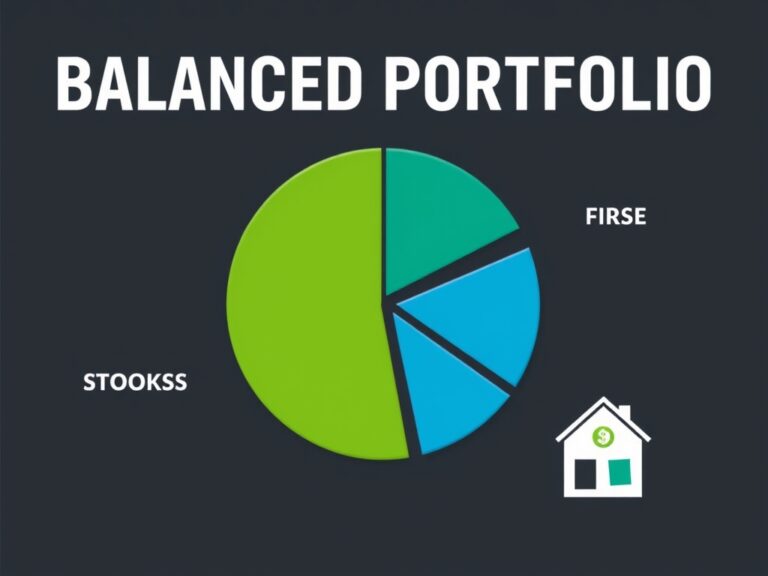
Diversification is the bedrock of any solid wealth-building plan because it effectively mitigates risk while maintaining exposure to market growth. You have likely heard the old adage about not putting all your eggs in one basket, and in the world of finance, this remains the gold standard for survival. By spreading your investments across various asset classes—such as index funds, real estate, and bonds—you insulate your portfolio against industry-specific crashes. A well-balanced strategy doesn’t just chase the latest trends; it targets long-term, stable returns that weather the storm. Here are a few ways to diversify your portfolio effectively:
- Invest in low-cost ETFs to cover the entire market.
- Hold a mix of domestic and international stocks.
- Consider tax-advantaged accounts like IRAs or 401(k)s.
- Maintain a small cash cushion for emergencies.
While the temptation to ‘beat the market’ with speculative bets is high, history shows that slow and steady diversification consistently outperforms high-risk gambling. Your goal should be to create a portfolio that grows while you sleep, giving you the peace of mind to focus on your career or passions without the anxiety of daily market swings.
Protecting Your Legacy and Future Security
Finally, building wealth is only half the battle; the other half is defending it from unnecessary losses and unexpected life events. High-net-worth individuals prioritize risk management just as much as they prioritize aggressive growth strategies. This involves having proper insurance coverage, an emergency fund, and clear estate planning to ensure your hard-earned assets stay protected for your family. Ignoring these defenses can lead to a single incident—like a medical emergency or a lawsuit—wiping out years of careful progress. Consider this a check-list for your financial perimeter:
- Build an emergency fund covering 3 to 6 months of expenses.
- Review your insurance policies annually for adequacy.
- Consult with professionals regarding tax efficiency.
- Draft or update your will and beneficiary designations.
When you secure your foundation, you free up the mental bandwidth required to make better investment decisions. Financial peace comes from knowing you are prepared for whatever life throws your way, which is the ultimate definition of true wealth. Stay disciplined, focus on your long-term goals, and never stop learning about how your money moves through the world. You are the architect of your financial destiny, so make sure every brick you lay is designed to last a lifetime.