
Market Trends Explained: A Plain-English Guide to Economic Indicators and Price Movements
Understanding the Pulse of the Market
Have you ever looked at financial news and felt like you were reading a different language? You are not alone, because market trends can often feel like a complex puzzle designed to confuse the average person. At its core, a market trend is simply the general direction in which a financial market is moving over a specific period. Whether we are talking about stocks, crypto, or commodities, understanding these movements is your ticket to making smarter financial decisions. Think of the market as a massive, living organism that reacts to news, politics, and human emotion. By learning to read these signals, you move from guessing to strategy. In this guide, we will peel back the curtain on how these trends form and why they matter to your portfolio. It is all about connecting the dots between global events and your personal bottom line. Let’s start this journey together by demystifying the big picture. Are you ready to see the market through a clearer lens?
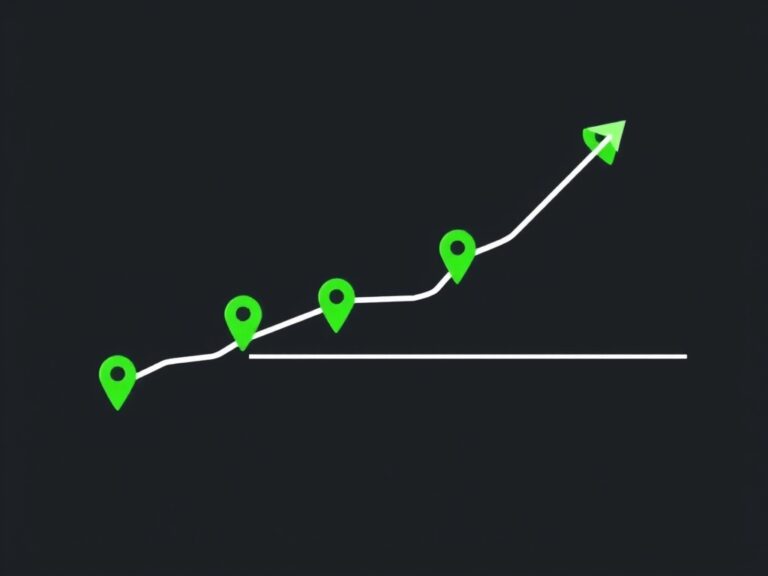
Key Economic Indicators You Need to Know
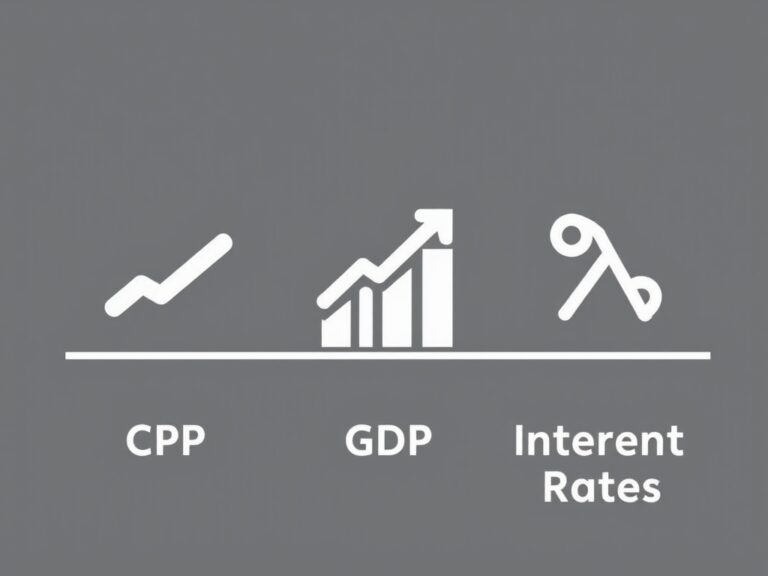
To navigate the waves of the market, you need to watch the economic indicators that act as our compass. These indicators are data points that tell us about the overall health of an economy, and they influence price movements significantly. First, look at the Consumer Price Index (CPI), which measures inflation and tells us how much our money is losing its purchasing power. Then there is the Gross Domestic Product (GDP), the grand total of everything a country produces, which acts as a report card for economic growth. Don’t forget
- Employment data
- Interest rate decisions
- Consumer confidence surveys
because these are the heavy hitters that move the needle. When the labor market is strong, people spend more, which naturally drives demand for goods and services. Conversely, when central banks hike interest rates, borrowing becomes expensive and the market often pulls back. By tracking these metrics, you can anticipate shifts before they become mainstream news headlines. It is not about having a crystal ball; it is about paying attention to the signals that are already there.
Decoding Price Movements and Volatility
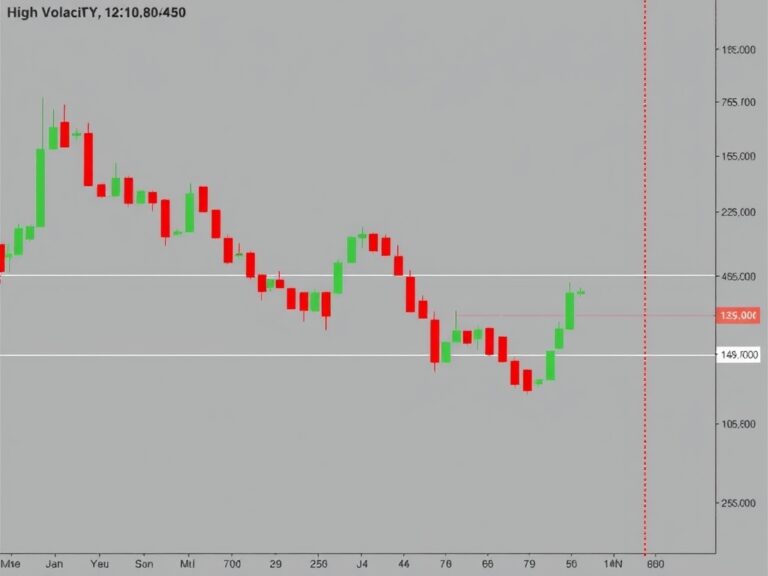
When you see prices swinging wildly, you are witnessing market volatility, which is essentially the measure of how quickly prices change. While it sounds scary, volatility is a natural part of the market cycle that experienced investors learn to manage rather than fear. Often, price movements are driven by a tug-of-war between supply and demand, influenced by the economic data we just discussed. If positive sentiment takes hold, you see bull markets where buyers are optimistic and pushing prices higher. On the flip side, bear markets occur when pessimism dominates, leading to a downward trend in prices. Pro Tip: Always look at trading volume alongside price; if a price jumps on low volume, it might be a fake-out rather than a genuine shift. It is essential to remain calm and look for the underlying trend rather than reacting to every single tick in the price. Successful investing requires a cool head and an understanding that volatility creates both risk and opportunity. Stay disciplined and keep your long-term goals in mind during these turbulent times.
Putting It All Together: Your Strategy
Now that we have covered the basics, how do you actually apply this to your daily life or investment routine? The most effective approach is to develop a long-term perspective rather than trying to chase every short-term trend that hits your feed. Start by keeping a simplified watchlist of the major indicators we discussed, checking them once a week to stay informed without getting overwhelmed. Remember to
- Diversify your assets
- Avoid emotional trading
- Set clear financial boundaries
to protect your capital from unnecessary risks. Using a mix of fundamental analysis to evaluate the intrinsic value of an asset and technical analysis to time your entries can create a balanced strategy. Do not feel pressured to know everything at once; mastery comes with consistent practice and observation over time. The goal is to feel empowered when you read the news, knowing that you can translate those headlines into actionable insights. By staying patient and informed, you are positioning yourself for sustained success in the ever-evolving world of finance. Welcome to the elite group of investors who don’t just watch the market—they understand it.