

Market Analysis Made Simple: Understanding Economic Indicators and Trends
Mastering Market Analysis: Your Guide to Economic Clarity
Have you ever felt like the world of finance is a complex puzzle where the pieces keep shifting? You aren’t alone, but here is the secret: market analysis isn’t just for Wall Street pros; it is a skill you can master to make better personal and professional decisions. By understanding the pulse of the economy, you can anticipate trends before they become front-page news. Think of economic indicators as the dashboard of your car—they tell you how fast you are going, how much fuel you have, and if there is a storm ahead. It is all about reading the signals correctly to navigate your financial journey with confidence. In this guide, we will break down exactly how you can simplify these indicators without getting lost in the jargon. Let’s demystify these metrics together so you can start seeing the bigger picture. We’ll cover everything from GDP to consumer sentiment, giving you a clear roadmap to success. By the end of this post, you will feel empowered to read the economic landscape like a seasoned professional.
The Big Three: Decoding Core Economic Indicators
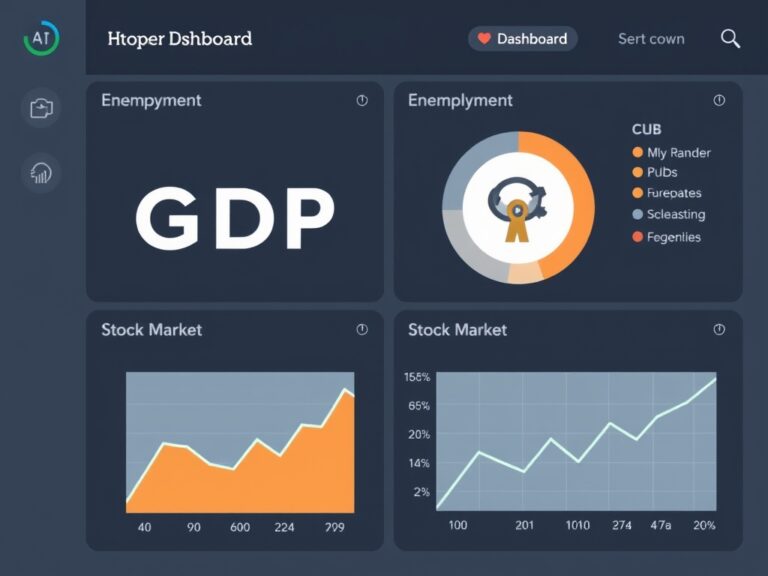
To understand the market, you must first look at the heavy hitters: GDP, Inflation, and Employment data. These aren’t just dry numbers in a government report; they are the fundamental components of our daily lives.
- GDP (Gross Domestic Product): Think of this as the total scoreboard for all goods and services produced in the country.
- Inflation (CPI): This tracks how the purchasing power of your dollar changes over time.
- Employment Data: Low unemployment usually signals a strong, growing economy where businesses are hiring.
When these indicators move, they create a ripple effect that touches everything from interest rates to the price of your morning coffee. Learning to track these allows you to predict shifts rather than just reacting to them. Focusing on these core metrics provides a solid foundation for any market analysis you perform in the future. Don’t worry about being a math genius; it is more about understanding the direction of the trend. Consistent monitoring keeps you ahead of the curve in a volatile economic environment. It is the first step toward building a truly data-driven mindset for your personal finances.
Identifying Trends Before They Peak
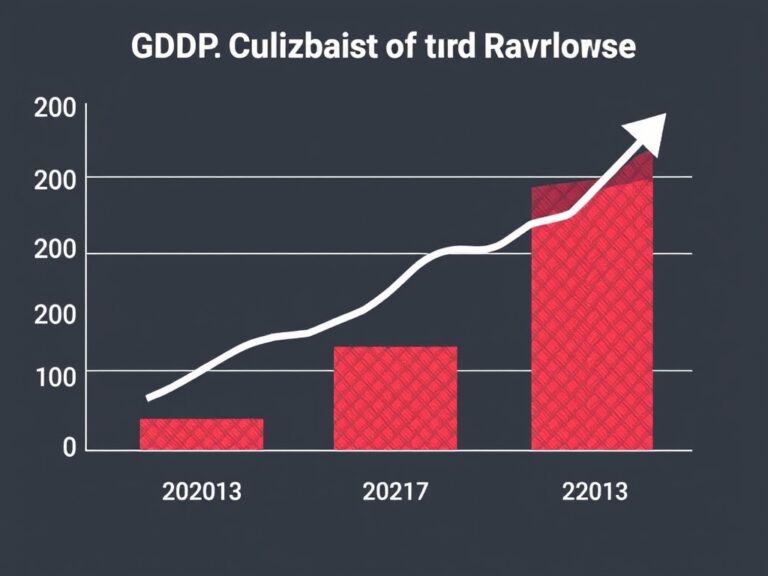
Spotting a trend early is where the real value lies, and it starts by connecting the dots between consumer behavior and market health. Consumer sentiment is a leading indicator because when people feel confident, they spend money, which fuels the entire economy. If you see retail sales rising alongside strong employment numbers, you are likely looking at an expansionary phase. Conversely, if you notice increased savings rates despite steady income, consumers might be bracing for a downturn. Keep an eye out for these subtle shifts:
- Changes in interest rates set by the central bank.
- Shifts in housing market demand and construction activity.
- Global trade fluctuations impacting local manufacturing.
By keeping a watchful eye on these factors, you can distinguish between a temporary market hiccup and a long-term change in direction. Remember, trends are rarely linear; they come in cycles that reward the patient observer. Developing a habit of reading economic news with a critical eye will refine your intuition over time. Stay curious and always ask yourself, ‘What is the story behind these numbers?’ because that is where the real insights are hiding.
Your Toolkit for Long-Term Economic Success
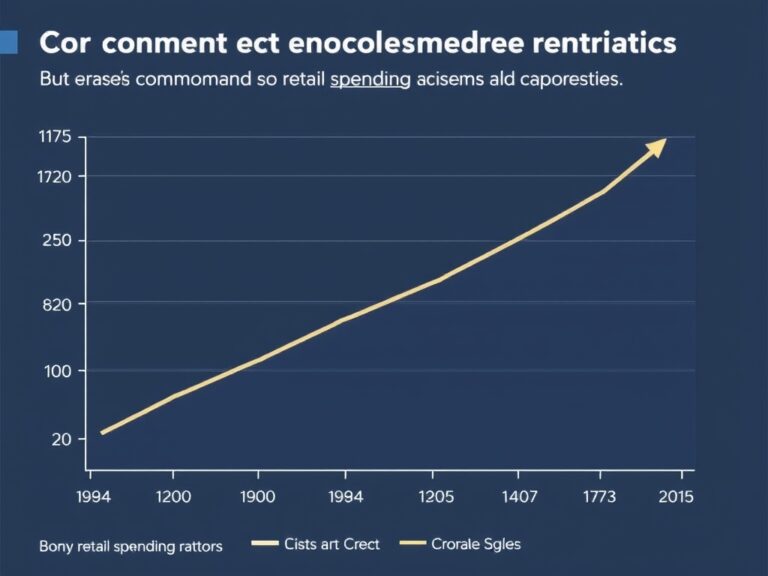
Wrapping up, remember that market analysis is a journey, not a one-time task. You do not need a fancy degree to make sense of economic indicators; you just need curiosity and a consistent routine. By keeping a simple spreadsheet of key data points, you can build a personal history that helps you identify patterns unique to your local market. Be patient with yourself as you learn, and do not let ‘analysis paralysis’ stop you from taking action. Keep your focus on long-term trends rather than daily market noise to avoid unnecessary stress.
- Start by checking one or two major indicators weekly.
- Use reliable, official government sources for your data.
- Always consider the ‘why’ behind the shifts you observe.
Finally, remember that your financial goals are the most important part of this equation. Use these insights as tools to support your decisions, not as crystal balls for predicting the future. Knowledge is your greatest asset in an ever-changing economic landscape. Thank you for reading, and here is to making smarter, more informed decisions every single day! Now go out there and start analyzing the world around you with newfound clarity.