

Foundational Principles for Building Long-Term Wealth: A Strategic Guide
Mastering the Mindset of Financial Freedom
Building long-term wealth isn’t just about picking the right stocks; it’s about cultivating a wealth-building mindset that prioritizes patience over quick gains. Many people approach finance with a scarcity lens, but true prosperity comes from understanding that compound interest is your greatest ally. Think of your financial journey as a marathon rather than a sprint, where every small decision contributes to your future security. Start by auditing your current financial habits and identifying areas where you can shift from consumption to production. You don’t need a massive salary to start; you just need consistency and a clear vision of your end goals.
- Define your ‘why’
- Automate your savings
- Educate yourself continuously
By treating your savings like a fixed bill, you remove the emotional burden of budgeting. Remember that long-term wealth is built in the quiet moments of disciplined saving and smart allocation. When you prioritize future security over immediate gratification, you pave the path toward true independence. Stay focused on your roadmap, and don’t let market volatility distract you from your ultimate mission.

The Power of Strategic Asset Allocation
Diversification is the bedrock of any solid investment strategy, and it’s how you protect your capital while growing your net worth. Instead of putting all your eggs in one basket, consider a balanced portfolio that spans various asset classes such as stocks, real estate, and low-risk bonds. Asset allocation helps mitigate risks, ensuring that a downturn in one sector doesn’t derail your entire financial future.
- Index funds for steady growth
- Real estate for cash flow
- High-yield savings for liquidity
When you strategically distribute your investments, you create a robust safety net that weathers economic storms more effectively. Research suggests that your choice of asset allocation is more important than timing the market perfectly. Keep your costs low by choosing low-fee funds, and avoid the temptation to constantly tinker with your portfolio. A ‘set it and forget it’ approach often outperforms active trading because it minimizes emotional errors and transaction fees. Building wealth is about playing the long game with calculated, rational choices. By focusing on asset classes that historically appreciate over time, you build a foundation that can sustain generations.
Living Below Your Means to Accelerate Growth
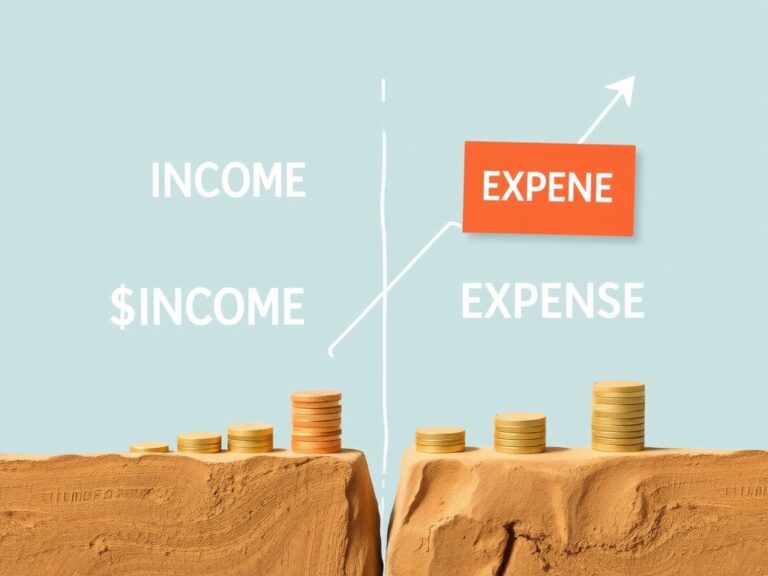
The secret weapon of the wealthy is the gap—the space between your income and your expenses. If you earn $5,000 but spend $4,900, you are left with little room to build anything significant, no matter how hard you work. By deliberately living below your means, you widen this gap and increase the amount of capital available for compounding.
- Track every dollar spent
- Prioritize needs over wants
- Avoid high-interest consumer debt
This doesn’t mean you have to live a miserable life; it simply means being intentional about where your money goes. Every dollar you don’t spend today can be invested to buy your freedom tomorrow. Think of every purchase in terms of its ‘opportunity cost’—that $5 latte could be $50 in your retirement account twenty years from now. Once you master the art of frugality without sacrificing quality of life, you gain incredible power over your destiny. You’ll find that as your income grows, keeping your lifestyle relatively steady allows you to scale your investments rapidly. Achieving financial independence is essentially a math problem solved by disciplined habits and a bit of creativity.
The Final Pillar: Continuous Financial Education
Finally, the most important asset you can invest in is yourself. The world of finance is constantly evolving, and staying informed is the only way to remain ahead of the curve. Read books on wealth management, attend seminars, or follow reliable financial experts to keep your knowledge sharp.
- Read at least one finance book a month
- Stay updated on tax-efficient strategies
- Network with like-minded investors
When you understand how money works, you stop fearing market shifts and start seeing them as opportunities. Knowledge is wealth, and the time you spend learning how to navigate tax laws or identify growth sectors will pay dividends for years to come. Don’t be afraid to ask questions or hire professionals when your situation becomes complex; there is no shame in seeking guidance from those who have already reached your goals. As you grow your wealth, your strategy will likely change, and your education will ensure you adapt gracefully. Stay curious, stay humble, and keep building your knowledge base. Your commitment to lifelong learning is the ultimate catalyst for sustained success in your journey toward long-term wealth.