
Decoding the Markets: A Plain-English Guide to Economic Indicators and Trends
Understanding the Pulse of the Global Economy
Have you ever watched the news and felt like economic reports are written in a foreign language? You aren’t alone; the world of financial markets and economic indicators often feels like an exclusive club meant only for Wall Street insiders. But here is the secret: deciphering these trends is actually much simpler than it seems once you know what to look for. Think of economic indicators as the vital signs of a country—they tell us whether the economy is healthy, struggling, or ready for a growth spurt. By learning to read these signals, you gain the power to make smarter investment decisions and better manage your personal finances. In this guide, we will break down the complex jargon into plain English so you can navigate the markets with confidence. Let’s pull back the curtain on how these indicators move the needle for your wallet and the world at large. Grab a coffee, settle in, and let’s start decoding the trends that shape our daily lives.

The Big Three: GDP, Inflation, and Employment
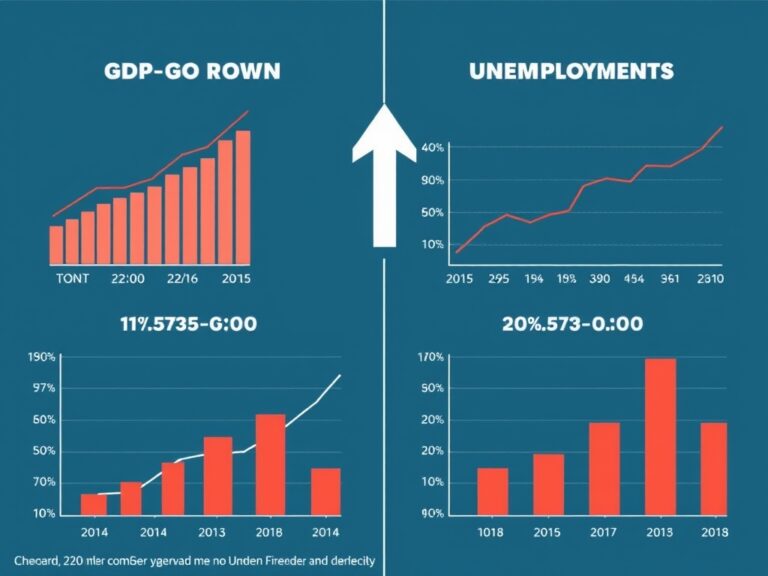
When experts discuss market health, they almost always point to the ‘Big Three’ indicators: GDP, Inflation, and the Unemployment Rate. First, Gross Domestic Product (GDP) is essentially the scoreboard for a nation, measuring the total value of all goods and services produced. A growing GDP suggests a thriving economy, while a shrinking one warns of potential recession risks. Next, we have inflation, which is the rate at which prices rise over time; it is that invisible force making your groceries and gas slightly more expensive each year. Finally, the unemployment rate tells us if people are finding work, which is a major driver of consumer spending power. To keep track, look for these metrics periodically:
- GDP Reports: Released quarterly to show overall growth.
- CPI (Consumer Price Index): The standard measure for tracking inflation.
- Non-Farm Payrolls: A key monthly snapshot of job creation in the U.S.
Understanding how these interact helps you see the ‘why’ behind market volatility.
Why Sentiment and Consumer Confidence Matter
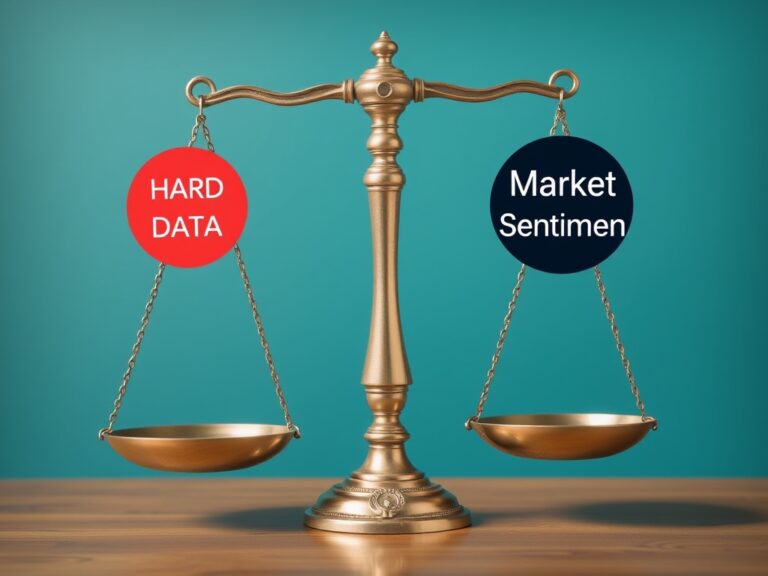
Beyond the hard numbers, there is a psychological layer to the markets known as Consumer Confidence. When people feel secure in their jobs and optimistic about the future, they spend more money, which keeps the economic engine humming. Conversely, when fear sets in, shoppers hold onto their cash, and businesses start to tighten their belts, leading to a potential slowdown. This ‘market sentiment’ acts like a self-fulfilling prophecy, often moving stock prices faster than official government reports. Expert investors pay close attention to surveys like the Conference Board Consumer Confidence Index to gauge this mood. It is important to remember that markets are driven by people, not just cold, hard data points. When you see a drop in consumer optimism, it is often a leading indicator that retail sectors might face headwinds in the coming months. Keeping an eye on these emotional trends can give you a massive advantage in timing your market moves.
Turning Data into Strategy
Now that you have a basic grasp of the indicators, how do you actually apply this to your own life? The key is not to react to every single blip on the screen, but rather to look for long-term trends that match your financial goals. If you notice inflation trending upward, you might consider assets that traditionally act as a hedge, like real estate or specific commodities. If you see high unemployment, it might be a signal to prioritize an emergency fund over aggressive high-risk investing. The goal isn’t to predict the future with 100% accuracy, but to move from a state of confusion to one of informed awareness. Remember, even the best analysts get it wrong sometimes, so diversification remains your greatest defensive tool against market unpredictability. Stay curious, keep reading, and eventually, you will find that the ‘complex’ markets start to make perfect sense. You are now better equipped to handle economic shifts with a cool head and a clear, strategic plan.