

Decoding the Markets: A Plain-English Guide to Economic Indicators and Trends
Understanding the Pulse of the Global Economy
Have you ever looked at the stock market headlines and felt like you were reading a foreign language? You aren’t alone; economic indicators are essentially the vital signs of our financial world, telling us whether the economy is thriving, struggling, or preparing for a change. Understanding these metrics is the first step toward becoming a more informed investor, rather than just reacting to scary news cycles. 📈 Whether it is the Gross Domestic Product (GDP) or the latest inflation report, these data points act as a compass for navigating complex market trends. When we decode these signals, we stop guessing and start making data-driven decisions that protect our wealth. It isn’t about having a PhD in economics, but rather about learning how to translate technical data into real-world opportunities. By keeping an eye on these indicators, you can better anticipate market shifts before they dominate the morning news. Think of this guide as your personal roadmap to financial literacy in an increasingly volatile world. Let’s break down the noise and focus on what truly drives market sentiment. Together, we will peel back the layers of jargon to reveal the core mechanics of how money flows through our society.
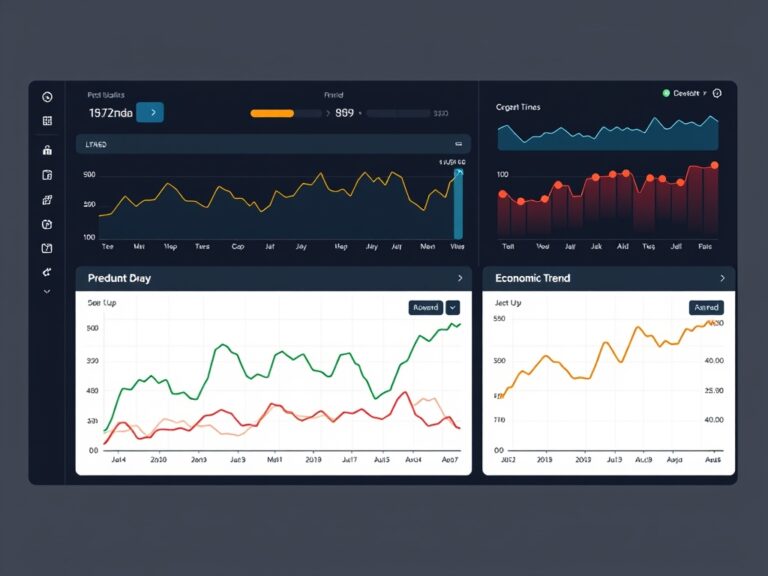
The Big Three: GDP, Unemployment, and Inflation
To truly decode the markets, you need to master the ‘Big Three’ indicators that influence every single sector of the economy. First, we have GDP, which measures the total value of all goods and services produced; it is the ultimate report card for economic growth. Then, there is the Unemployment Rate, a critical figure because it highlights consumer purchasing power—when people have jobs, they spend money, and the cycle continues. Finally, Inflation (CPI) measures the rising cost of living, which directly impacts how your cash loses or retains its value over time. Here is why you should care:
- GDP growth usually signals bull market potential.
- High unemployment often leads to cautious consumer spending.
- Rising inflation forces central banks to hike interest rates.
By keeping these three pillars in view, you can quickly assess the health of any domestic market. 🏦 Ignoring these figures is like driving a car without a speedometer; you might move forward, but you have no idea how fast you are going or when you might run out of fuel. Each of these metrics tells a story, and when viewed together, they form a clear picture of the macro environment. It is time to treat these numbers as your primary investment allies instead of just abstract figures in a newspaper.
Interest Rates and Central Bank Policy
If you want to know what moves the market most, look no further than the decisions made by central banks like the Federal Reserve. Interest rates are the ‘cost of money,’ and they dictate everything from your mortgage payments to corporate expansion plans. When rates are low, businesses borrow easily, which fuels innovation and market growth—this is typically the time for riskier investments. Conversely, when the central bank decides to raise rates to fight inflation, it slows down the economy, cooling off the markets to prevent overheating. 📉 It is a delicate balancing act that requires a deep understanding of monetary policy. You should pay close attention to:
- Fed meeting minutes for clues on future policy shifts.
- Treasury yields as a barometer for investor confidence.
- Consumer sentiment to gauge how these rates affect daily life.
Understanding this relationship helps you shift your portfolio between defensive and aggressive assets before the rest of the crowd catches on. When you know where interest rates are heading, you can anticipate how specific sectors, like tech or real estate, will perform in the coming quarters. It is the closest thing we have to a crystal ball in the world of professional finance.

Putting It All Together: Navigating Future Trends
Now that you have the basics down, how do you synthesize all this information into a strategy? The secret lies in connecting the dots rather than obsessing over a single, isolated data point. For instance, if you see high inflation paired with low unemployment, you can infer that interest rate hikes are likely on the horizon. 💡 Using this logic, you can adjust your asset allocation to favor companies with strong pricing power that can weather higher costs. Always remember that markets are forward-looking machines, meaning they often price in expected data before it even hits the wires. By staying patient and maintaining a long-term perspective, you can use these economic trends to build a robust and resilient portfolio. Make it a habit to check reliable financial news outlets weekly and compare their analysis against your own understanding of these core indicators. You will soon find that you feel much more confident when market volatility inevitably strikes. Investing isn’t about being perfect; it’s about being informed and staying prepared for the various cycles of the global economy. Stay curious, keep learning, and trust in your ability to decode the complex systems that shape our financial future. You have all the tools you need to succeed if you remain disciplined and analytical.