

Foundational Concepts for Building Long-Term Wealth: A Step-by-Step Guide
Understanding the Wealth-Building Mindset
Building long-term wealth isn’t just about winning the lottery or landing a six-figure job; it is a marathon that requires patience, discipline, and a shift in how you view your money. Many people believe they are too late to start, but the truth is that time is your greatest asset. By shifting your mindset from immediate gratification to future financial security, you unlock the ability to make smarter decisions. To start, you must define what wealth means to you—is it retiring early, owning a home, or creating a legacy? Once you establish your personal ‘why,’ the journey becomes much easier to navigate. We will explore the foundational pillars:
- Consistency in savings
- High-yield investments
- Debt elimination strategies
- Continuous financial education
These concepts, while simple, are the backbone of every self-made millionaire’s portfolio. Remember, wealth is built in the quiet moments of making the right choice, rather than one giant leap of faith. Start today by analyzing your cash flow and identifying where you can trim unnecessary expenses to fuel your growth. Think of every dollar as a seed that has the potential to grow into a tall, sturdy oak tree over time.

Mastering Budgeting and Cash Flow Management
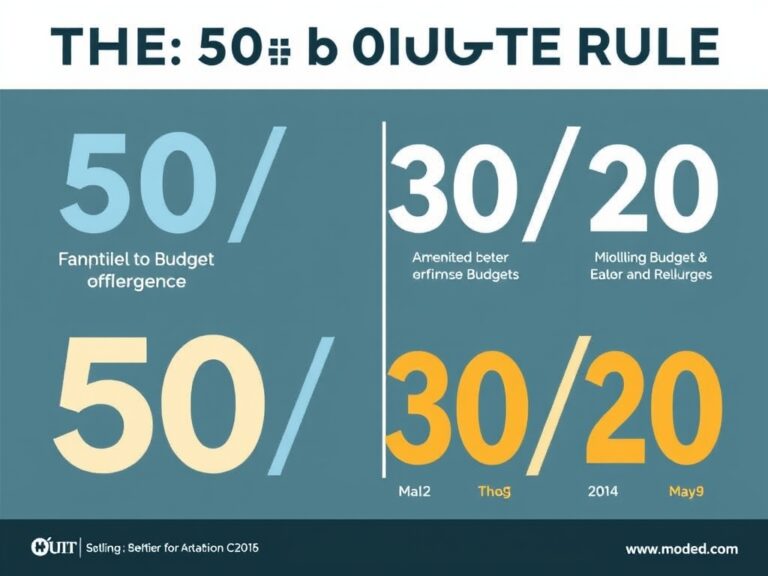
Before you can invest, you need to master your cash flow, which is the engine of your entire financial machine. A budget isn’t meant to restrict you; instead, it is a tool that gives you permission to spend on what matters while ensuring your future is protected. Start by tracking every penny using an app or a simple spreadsheet to see where your money actually goes each month. Once you have a clear picture, categorize your spending into needs and wants to see where you can optimize. The 50/30/20 rule—allocating 50% for needs, 30% for wants, and 20% for savings and debt repayment—is a fantastic framework to keep you on track. Automating your savings is perhaps the most powerful step you can take in this phase because it removes the temptation to spend. By setting up automatic transfers, you pay yourself first, ensuring your wealth-building goals are prioritized above all else. Remember that your goal is to widen the gap between your income and your expenses as much as possible. As your income grows, try to avoid lifestyle creep, which is the tendency to increase spending just because you earn more. Instead, increase your investment contributions, and watch how quickly your assets start to accumulate.
The Magic of Compounding and Strategic Investing
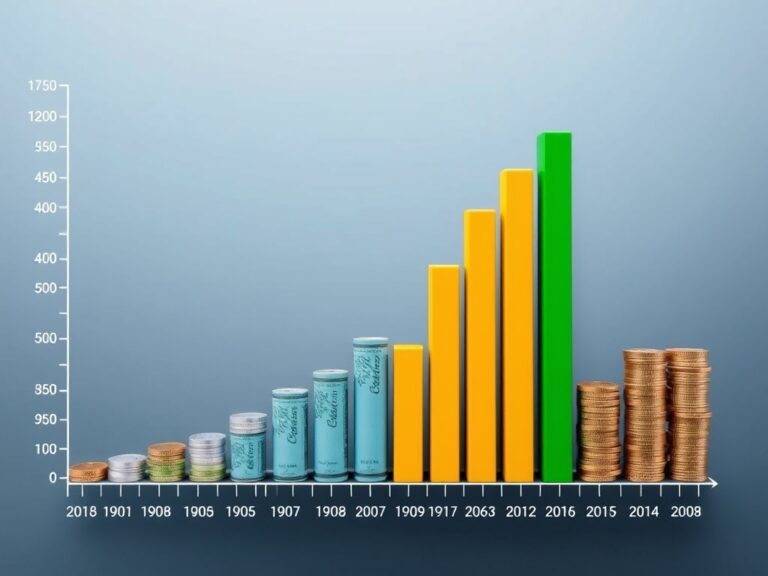
Albert Einstein reportedly called compound interest the eighth wonder of the world, and when it comes to long-term wealth, he was absolutely right. Compounding is essentially interest earning interest, which causes your money to grow exponentially rather than linearly. To harness this power, you need to begin investing early and consistently in assets that historically appreciate over time, such as index funds or diversified ETFs. Diversification is key to managing risk, ensuring that a single market downturn doesn’t jeopardize your entire financial future. You should prioritize tax-advantaged accounts, such as an IRA or 401(k), to maximize your growth potential and keep more of your hard-earned money in your pocket. Always keep your investment horizon in mind; this is a long-term strategy, so do not panic when the market experiences temporary volatility. Instead, stay the course and maintain your monthly contributions regardless of market headlines.
- Start investing today, even with small amounts.
- Focus on low-cost index funds.
- Reinvest your dividends to accelerate the process.
- Review your portfolio annually, not daily.
By keeping your strategy simple and avoiding high-fee managed funds, you set yourself up for significant success. Time is the one factor you cannot buy, so use it wisely to let your investments compound into a substantial fortune.
Protecting Your Legacy and Future
As you accumulate wealth, the final foundational piece is protection, because you don’t want to lose what you’ve worked so hard to build. This includes creating an emergency fund of three to six months of living expenses to handle life’s unexpected curveballs without resorting to high-interest debt. You should also evaluate your insurance needs, including life, disability, and liability coverage, to shield your assets from major catastrophes. Furthermore, establishing an estate plan—even a basic will—is crucial for ensuring your assets are managed according to your wishes. Consider your financial health as a living ecosystem that requires ongoing maintenance and regular check-ups to stay robust. Education is also part of this protection, as keeping your skills sharp ensures your earning power remains high throughout your career. Regularly reading books on finance and staying informed about economic trends will make you a more confident investor. Do not fear taking calculated risks, but always ensure they are aligned with your overall risk tolerance and long-term objectives. By staying disciplined and protecting your downside, you ensure that your journey toward financial freedom remains uninterrupted. Ultimately, building wealth is a marathon, and by following these steps, you are well on your way to a secure and prosperous future.