

Foundational Principles for Building Long-Term Wealth: A Strategic Guide
Mastering the Mindset of Financial Freedom
Building long-term wealth isn’t just about picking the right stocks; it’s about cultivating a wealth-building mindset that prioritizes consistency over quick wins. When you start your journey, the most critical step is to shift your perspective from short-term gratification to long-term sustainability. Think of your financial future as a marathon, not a sprint, where discipline becomes your most valuable asset. Many people fail because they seek get-rich-quick schemes rather than sticking to foundational principles that have stood the test of time. You must learn to live below your means, which creates the ‘surplus’ capital necessary for true investment. It is not what you earn, but what you keep and grow that ultimately dictates your net worth. Start by analyzing your current spending habits and identifying areas where you can trim the fat without sacrificing your quality of life. This foundational shift sets the stage for everything else, including high-yield savings and diversified portfolios. Remember, the journey toward financial independence requires patience, resilience, and a clear vision of what you want to achieve. By treating every dollar like a seed, you begin to visualize your money as a tool that works for you, rather than something you simply exchange for goods and services.

The Power of Compound Interest and Strategic Saving
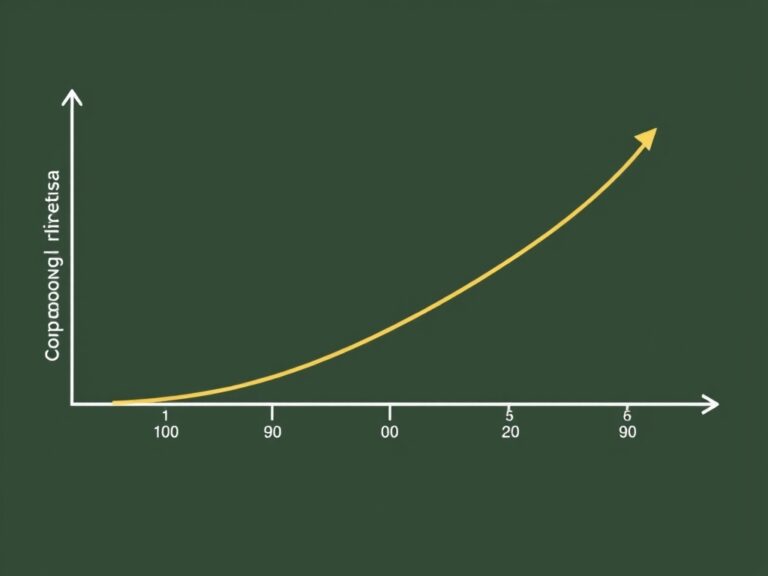
If there is one ‘secret’ to wealth that everyone should respect, it is compound interest, often referred to as the eighth wonder of the world. By reinvesting your earnings, your money begins to generate its own earnings, creating a snowball effect that grows exponentially over time. To leverage this, you must begin investing as early as possible, even if you are only starting with small, manageable amounts.
- Start an automatic transfer to your brokerage account.
- Reinvest all dividends and capital gains.
- Maintain a diverse set of assets to manage risk effectively.
Consistency is the magic ingredient here, as market timing is notoriously difficult for even the best professionals. Instead of trying to beat the market, focus on time in the market to capture the long-term growth trends of the global economy. Imagine your investment account as a tree that you are nurturing; in the beginning, it seems like nothing is happening, but given enough years of compounding, the growth becomes undeniable. Don’t let market volatility distract you from your long-term goal, as downturns are often the best time to purchase high-quality assets at a discount. By automating your contributions, you remove the emotional element from investing, ensuring that you stay on track regardless of daily headlines or short-term economic fluctuations.
Diversification: Your Safety Net for Sustainable Growth
One of the most important lessons in wealth creation is the classic advice: don’t put all your eggs in one basket. Diversification is the key to mitigating risk and ensuring that your portfolio can survive various market conditions. When you hold a mix of asset classes—such as stocks, bonds, real estate, and index funds—you ensure that a downturn in one sector doesn’t wipe out your entire net worth.
- Equities: Provide growth and inflation protection.
- Fixed Income: Offer stability and regular interest payments.
- Real Estate: Acts as a hedge against currency devaluation and volatility.
Smart investors create a balanced strategy that aligns with their personal risk tolerance and time horizon. It is not about chasing the highest return, but about achieving the most efficient risk-adjusted return possible over the decades. As you build your wealth, consider rebalancing your portfolio periodically to ensure your asset allocation hasn’t drifted too far from your original plan. This disciplined approach prevents you from becoming over-exposed to any single asset class that might be experiencing a bubble. By staying diversified, you position yourself to capture growth from different parts of the economy while keeping your overall investment journey smooth and manageable. Always remember that the goal is to sleep well at night while your wealth continues to work in the background, reliably building your future security.

Protecting Your Assets for the Long Haul
Building wealth is only half the battle; the other half is protecting what you have worked so hard to accumulate. Life is full of unforeseen events, from market crashes to personal health crises, and having a robust defense strategy is essential for any serious wealth builder. Ensure you have an emergency fund covering at least 3 to 6 months of expenses, keeping that capital liquid and accessible. Additionally, look into proper insurance coverage to shield your assets from liability, lawsuits, or unexpected disasters.
- Build an emergency fund in a high-yield savings account.
- Review your insurance policies annually for adequacy.
- Consult with tax and estate planning professionals to optimize your wealth transfer.
By keeping your debt low and your protection high, you ensure that you don’t have to liquidate your long-term investments when life throws you a curveball. A well-protected investor is one who can remain invested through difficult times, which is exactly how long-term wealth is actually forged. Don’t view these protective measures as expenses; view them as the essential infrastructure of your financial legacy. Taking the time to structure your finances correctly today means you can focus on enjoying the fruits of your labor tomorrow. Stay diligent, keep learning about current market conditions, and always remain adaptable as your personal financial situation evolves over the years.