

Mastering the Core Principles of Building Long-Term Wealth
Mastering the Core Principles of Building Long-Term Wealth
Building long-term wealth isn’t about hitting a sudden lottery jackpot; it is a marathon, not a sprint, rooted in consistency and smart financial habits. When you start your journey toward financial freedom, the most critical step is shifting your mindset from immediate gratification to delayed reward. Think of your money as seeds that need time, water, and patience to grow into a sturdy oak tree. You must prioritize tracking your expenses and understanding exactly where your hard-earned cash goes each month. Many people lose sight of their goals because they ignore the small, recurring leaks in their budget that could be invested elsewhere. By creating a solid foundation through budgeting, you gain the clarity needed to make intentional decisions about your spending and saving. Remember, the journey begins when you decide that your future self is just as important as your present desires. Start by auditing your finances today, and you will be amazed at the hidden potential you uncover for long-term growth.

The Power of Compound Interest
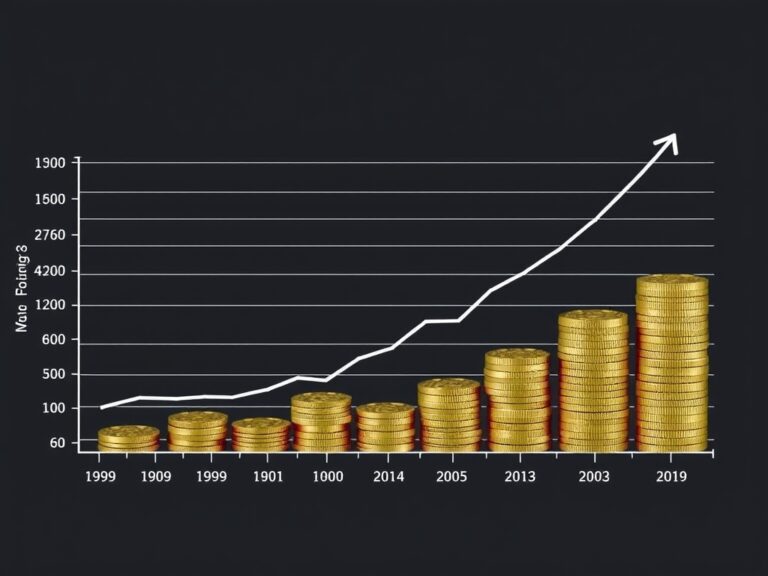
If there is one ‘eighth wonder of the world’ in the realm of finance, it is compound interest, a force that works exponentially in your favor. When you invest early, your money doesn’t just sit there; it earns interest, and then that interest earns its own interest, creating a snowball effect.
- Start investing as early as possible.
- Reinvest your dividends to accelerate growth.
- Be patient through market fluctuations.
It is essentially your money working harder than you do, even while you sleep or take a vacation. You don’t need a massive salary to start; even modest monthly contributions can balloon into significant wealth over several decades. The key is to avoid interrupting this process, as pulling money out early can stifle your long-term returns significantly. Treat your investment account like a no-touch zone unless it is an absolute emergency. By letting compound interest do the heavy lifting, you turn time into your most valuable asset in the quest for financial independence.
Diversification: Your Financial Safety Net
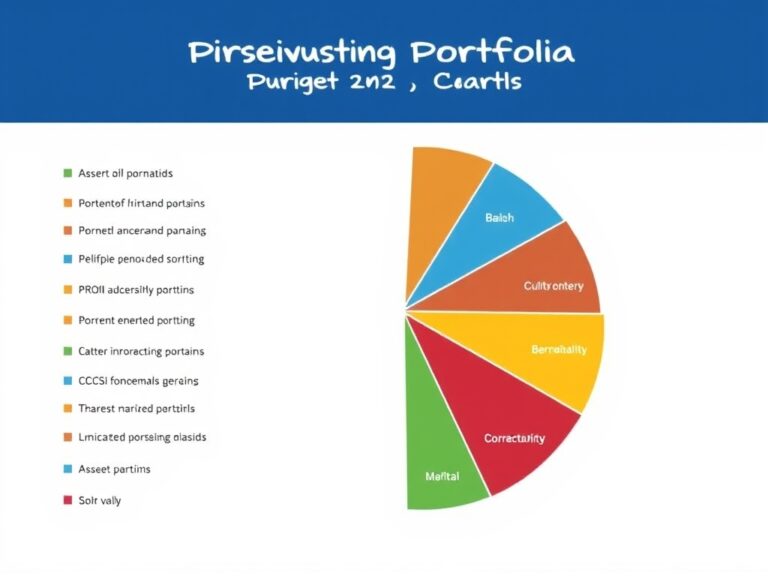
You have likely heard the old adage about not putting all your eggs in one basket, and nowhere is this more relevant than in portfolio management. Diversification is the strategy of spreading your investments across various asset classes—like stocks, bonds, real estate, and index funds—to mitigate risk. When one sector of the economy experiences a downturn, other sectors might remain stable or even grow, providing a cushion for your overall net worth. Expert-level tip: Diversification isn’t just about owning many different stocks; it is about owning assets that perform differently under various market conditions. By maintaining a well-balanced portfolio, you protect yourself from catastrophic losses while still positioning yourself to capture market upside. Consistency in your asset allocation is just as vital as the initial selection of assets. Periodically review your holdings to ensure they still align with your risk tolerance and long-term objectives. A balanced approach ensures that your wealth-building engine continues to hum along smoothly, regardless of temporary market noise.
Consistency and the Disciplined Investor
The final and perhaps most difficult pillar of wealth building is maintaining unwavering discipline in the face of inevitable market noise. Media outlets often thrive on fear, reporting on crashes and bubbles that can cause novice investors to panic and sell at the wrong time. A master of long-term wealth stays the course, ignoring short-term volatility in favor of long-term objectives. Consider implementing an automated investment plan where a fixed amount is moved to your brokerage or retirement account every month. This approach, known as dollar-cost averaging, removes the emotional component of trying to ‘time the market’ and keeps you invested steadily.
- Automate your savings to remove willpower from the equation.
- Focus on high-quality assets with strong fundamentals.
- Avoid making impulsive financial moves based on news headlines.
Success isn’t about being perfect; it is about staying engaged and committed to the plan you established at the beginning. By cultivating this disciplined mindset, you ensure that your financial path remains clear, even when the world around you seems chaotic and unpredictable.