
Mastering the Essentials: Foundational Concepts for Building Sustainable Long-Term Wealth
The Foundation of Financial Freedom: Mindset First
Building sustainable long-term wealth isn’t just about picking the right stocks; it begins with cultivating a millionaire mindset that prioritizes patience over quick wins. Many beginners make the mistake of chasing get-rich-quick schemes, but true financial stability requires a strategic approach to your personal finances. You need to shift your perspective from being a consumer to becoming a long-term investor. Start by asking yourself: are your current spending habits aligned with your future goals? By treating your financial life like a business, you ensure that every dollar has a specific job to do. Consistency is the silent engine that drives wealth creation, often far more effectively than volatile market timing. Remember, the journey to prosperity is a marathon, not a sprint, and your attitude is your strongest asset. Take control of your cash flow today by documenting every expense and identifying areas where you can optimize your savings rate. It is this disciplined mental framework that separates those who struggle paycheck-to-paycheck from those who thrive in their later years. By mastering your psychology, you build the bedrock upon which all your financial decisions will rest for decades to come.

The Power of Compound Interest and Time
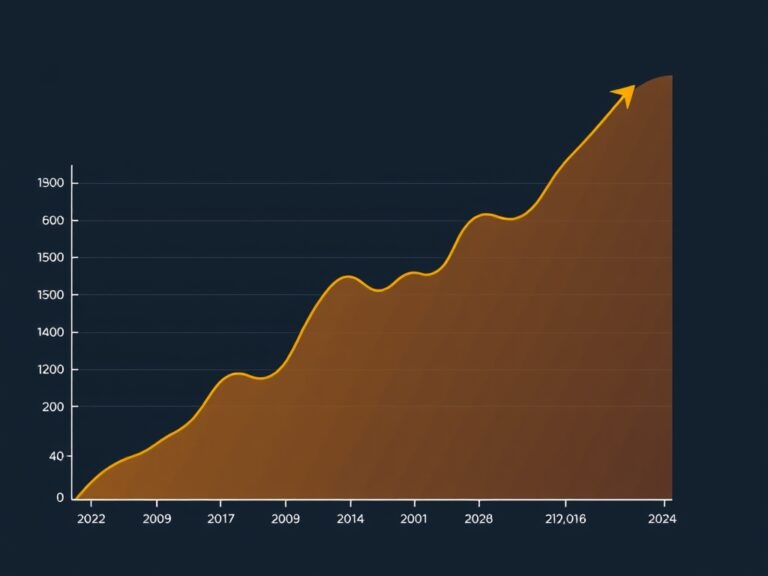
If you want to understand the true secret to building generational wealth, you must embrace the mathematical marvel known as compound interest. Albert Einstein famously called it the ‘eighth wonder of the world,’ and for good reason: it allows your money to earn interest on your previous earnings, creating a snowball effect. To master this, you need to understand three core pillars:
- The principal amount invested
- The annual rate of return
- The time horizon for your investments
Even small, recurring contributions to a low-cost index fund can balloon into a significant nest egg if given enough time. Many people wait for the ‘perfect moment’ to invest, but the market rewards those who show up early and stay consistent. Instead of trying to time the market, prioritize time in the market to maximize your compounding potential. Visualize your money as a seed that you are planting today; while you might not see it grow overnight, the roots are spreading deep beneath the surface. Consistent, automated investing removes the emotional toll of market swings, allowing you to focus on the long-term horizon. Do not underestimate the value of starting today, even if your initial contribution is small; the clock is your greatest ally in this game.
Asset Allocation: Diversification is Key
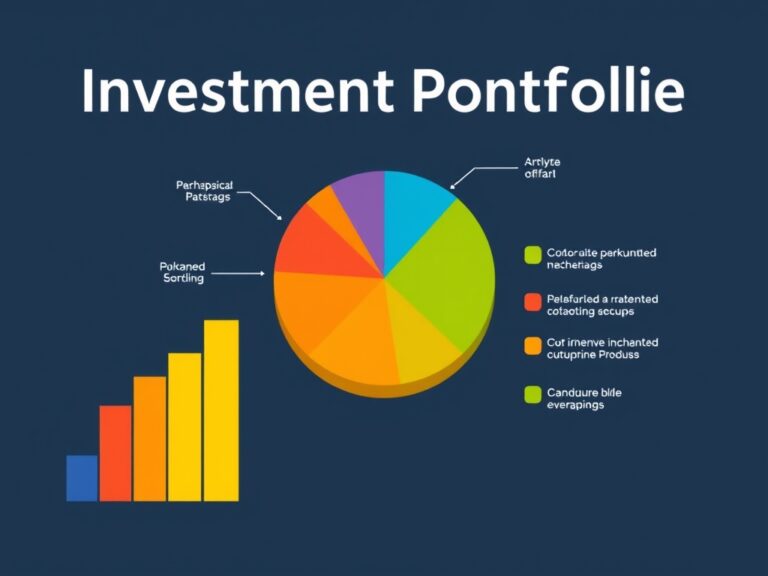
You have likely heard the old saying, ‘don’t put all your eggs in one basket,’ and this remains the golden rule of portfolio diversification. To build truly sustainable wealth, you must spread your risk across various asset classes, such as stocks, bonds, real estate, and potentially alternative assets like commodities. A well-balanced portfolio acts as a shock absorber, protecting you from significant downturns in any single sector of the economy. Think of your allocation as a recipe: you need the right mix of growth-oriented assets and stability-focused holdings to achieve your desired outcome. Expert-level insights suggest that your asset allocation should evolve as you get older, shifting from aggressive growth to capital preservation as you approach your target retirement age. Periodically rebalancing your portfolio—perhaps once or twice a year—ensures that you don’t accidentally become too exposed to one high-performing asset class. This disciplined process forces you to sell high and buy low, which is the cornerstone of effective investing. By diversifying, you aren’t just protecting your money; you are creating a smoother ride that allows you to stay invested through the inevitable market cycles. Consistency and balance are the two levers you control, so pull them with intention.
Staying the Course: Protecting Your Wealth
Building wealth is only half the battle; the other half is protecting and preserving it for the future. As your net worth grows, you must become increasingly mindful of factors that can erode your gains, such as high taxes, inflation, and excessive fees. Investing in low-cost index funds or ETFs is a brilliant way to minimize the drag of management fees that eat away at your returns over time. Furthermore, tax-advantaged accounts like IRAs or 401(k)s should be your primary vehicles for long-term growth, as they allow your money to grow while minimizing your annual tax burden. Don’t forget the importance of an emergency fund; having three to six months of living expenses in a liquid savings account prevents you from having to dip into your investments during a market downturn. Discipline is what keeps you from panic-selling when headlines are screaming about a recession. Keep your eyes on your personal goals rather than the daily noise of financial news channels. True wealth isn’t just about the numbers in your bank account; it is about the peace of mind that comes from knowing you are prepared for whatever life throws your way. Stay curious, keep learning, and trust in the foundational concepts that have built empires for generations.