
Decoding the Economy: A Plain-English Guide to Market Trends and Indicators
Understanding the Economic Pulse: Why Market Trends Matter
Have you ever found yourself watching the evening news, listening to economists throw around terms like GDP, inflation, and bull markets, only to feel more confused than when you started? You aren’t alone; the economy often feels like a secret language designed to keep the average person in the dark. Decoding the economy doesn’t require a PhD in finance, but rather a keen eye for the patterns that dictate our daily financial lives. By understanding these market trends, you empower yourself to make better decisions, whether you are planning your retirement, managing your debt, or simply trying to understand why the price of your groceries keeps changing. Think of this guide as your personal translator, turning complex jargon into actionable insights that you can use today. We will break down exactly how indicators function as the ‘vital signs’ of the global economy, helping you spot shifts before they turn into full-blown crises. It is time to stop guessing and start interpreting the data with confidence and clarity. Let’s embark on this journey to demystify the financial forces that shape our world, starting with the basics of how we measure economic health.
Key Indicators: The Vital Signs of the Economy
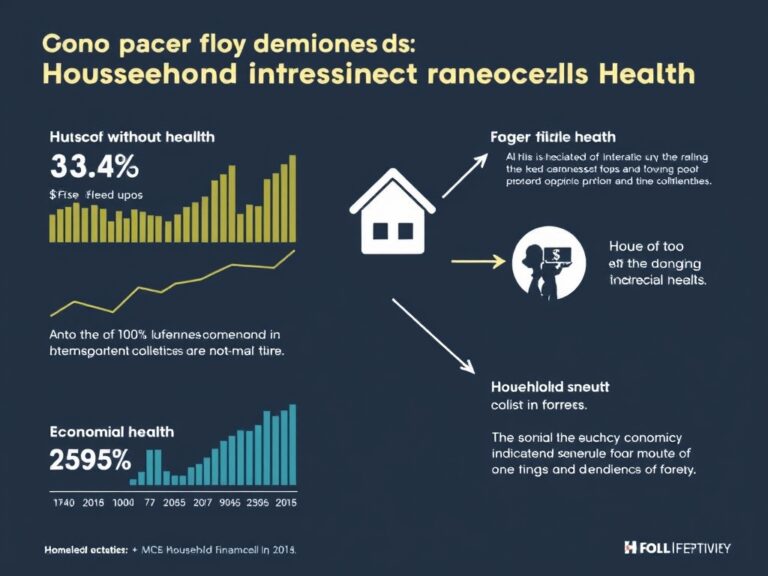
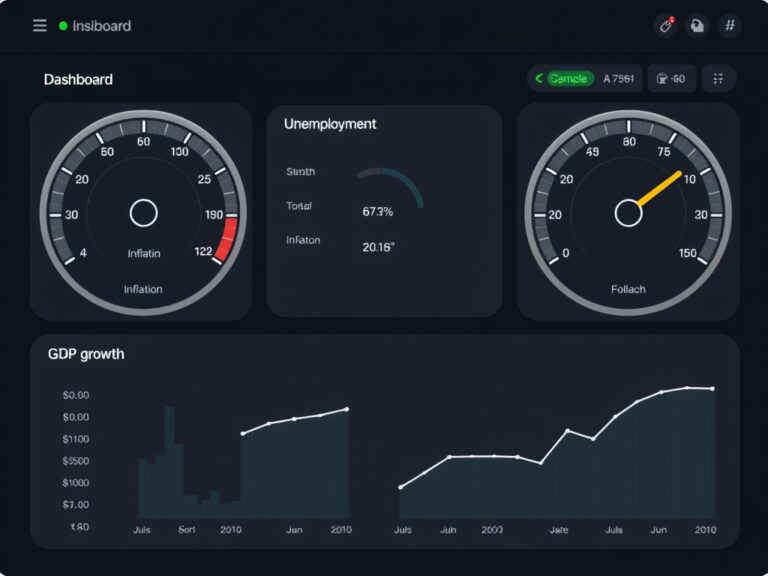
To truly decode the economy, we must look at the specific indicators that act as its pulse, starting with the Consumer Price Index (CPI) and the unemployment rate. These numbers tell us a story about purchasing power and labor market strength, which are the two pillars of consumer behavior. When the CPI rises, it serves as a warning sign of inflation, suggesting that your dollar won’t stretch as far as it did yesterday. Conversely, a healthy unemployment rate indicates a robust job market where companies are hiring and wages are potentially rising, fueling more growth. Here is a quick list of what to watch:
- GDP Growth: The overall health of the national economy.
- Interest Rates: Determined by central banks, these affect your borrowing costs.
- Consumer Sentiment: How hopeful or fearful people feel about spending.
- Housing Starts: A classic signal for future economic expansion.
By keeping an eye on these specific metrics, you can gauge whether the economy is heating up, cooling down, or heading toward a potential recession. It is essentially about knowing when to be cautious and when to capitalize on new opportunities as they arise in the market landscape.
Navigating Market Cycles: Bull, Bear, and Beyond
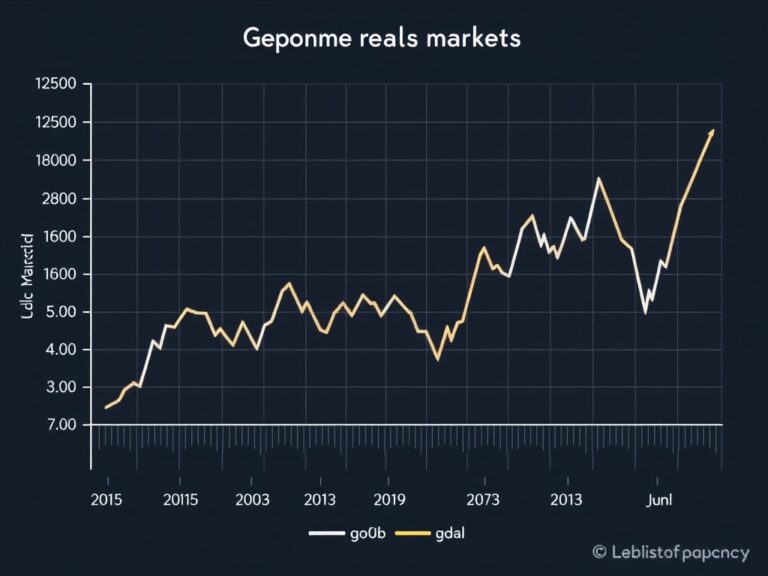
Markets aren’t static; they operate in cycles, swinging between periods of explosive optimism and cautious pessimism. We call these bull markets, characterized by rising asset prices and widespread investor confidence, and bear markets, which are marked by decline and widespread fear. Understanding where we are in the cycle is arguably the most important skill for any investor or curious citizen. During a bull market, it is easy to get caught up in the hype, but expert investors know that risk management is paramount. In a bear market, the instinct is to panic and pull your money out, yet history often suggests that this is when the best long-term value is found. You should look for signals like declining interest rates or stimulus packages that often accompany market recovery phases. Remember that economic growth is rarely a straight line; it is a series of peaks and valleys that test our patience and resolve. By staying informed and maintaining a long-term perspective, you can ride out the volatility and come out stronger on the other side of any economic storm.
Final Thoughts: Your Strategy for Economic Resilience
At the end of the day, decoding the economy is less about predicting the future and more about building financial resilience. You cannot control global events, central bank policies, or the shifting tides of the stock market, but you can certainly control your reaction to them. By building an emergency fund, diversifying your investments, and staying educated, you create a buffer against the inevitable economic shifts we encounter. Start by setting aside ten minutes each week to read financial news from reputable, unbiased sources. Don’t be afraid to ask questions, explore new concepts, and challenge your own assumptions about how money works. Knowledge is your greatest asset in this landscape, providing a shield against misinformation and a compass for your financial future. As we have discussed, indicators are merely tools, and market trends are just patterns; your success depends on how you interpret these tools to secure your path. Continue to learn, keep a level head during volatile times, and you will find that you are no longer just an observer of the economy, but an active participant who is fully in control of your financial destiny.