
Market Movements and Economic Indicators: A Plain-English Guide to the Economy
Understanding the Pulse of the Economy
Have you ever wondered why the news gets so chaotic when analysts start talking about market movements and economic indicators? It can feel like they are speaking a foreign language, but at its core, the economy is just a giant scoreboard reflecting how we all spend, save, and work. Think of economic indicators as the vital signs of a patient, helping us see if the system is healthy or in need of a check-up. Whether you are an investor or just someone curious about your personal finances, decoding these signals is surprisingly empowering. By paying attention to key data points, you can stop guessing and start understanding why your grocery bill shifts or why interest rates fluctuate. In this guide, we will break down the complex jargon into plain, actionable English. We want you to feel confident navigating the financial landscape, whether the market is booming or facing a correction. Let’s dive into the core concepts that define our financial world today. You don’t need a degree in finance to grasp these basics, just a bit of curiosity and the right perspective. Are you ready to decode the economy with me?
The Big Three: GDP, Inflation, and Employment
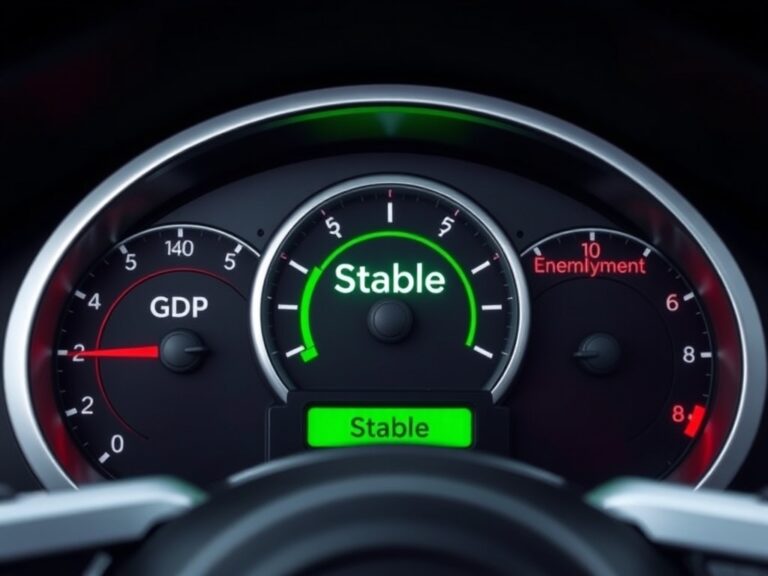
When experts talk about the economy, they almost always start with three heavy hitters: GDP, Inflation, and the Unemployment Rate.
- GDP (Gross Domestic Product) measures the total value of all goods and services produced in a country; it’s basically the economy’s speedometer.
- Inflation tracks the rate at which prices are rising, which directly affects your purchasing power at the supermarket.
- Unemployment tells us how many people are actively seeking work, acting as a barometer for consumer health.
When these numbers move, they send shockwaves through the stock market, signaling growth or stagnation to investors. If GDP is rising, it usually means businesses are doing well and hiring more people. However, if inflation rises too quickly, the central bank might hike interest rates to cool things down. It is a delicate balancing act that requires constant monitoring by policymakers. Knowing these three indicators is like having a roadmap for your financial journey. Every major market movement can be traced back to how these figures evolve over time. By keeping an eye on these, you stay ahead of the curve.
The Role of Interest Rates and Consumer Sentiment
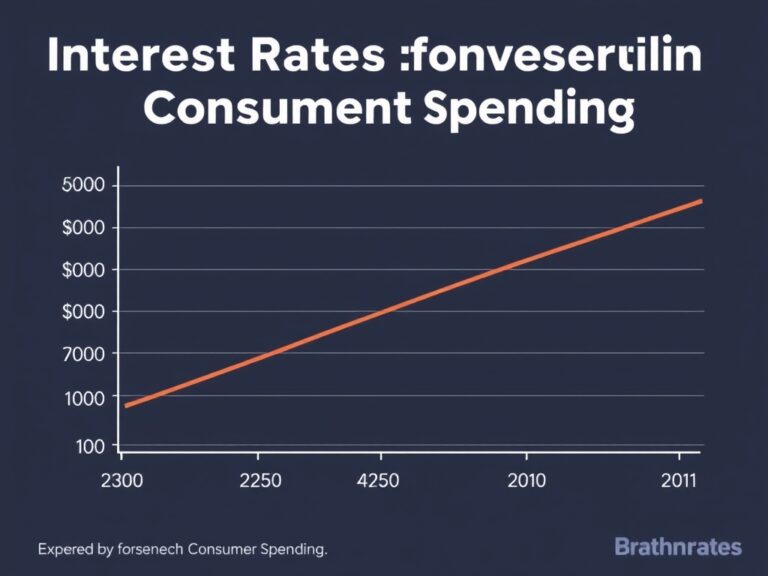
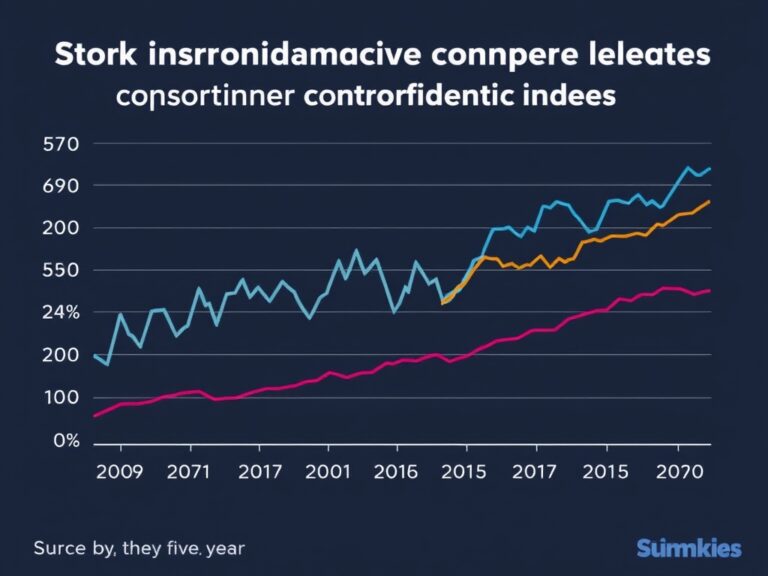
Beyond the primary indicators, interest rates and consumer sentiment serve as secondary triggers that drive daily market activity. Interest rates, set by the central bank, act as the cost of borrowing money; when they are low, people spend more, but when they rise, debt becomes expensive. Consumer sentiment, often measured by surveys, tells us how confident regular people feel about the future of their own bank accounts. If people are worried about their jobs or the cost of living, they pull back on spending, which slows down the entire economic engine. Understanding this psychology is just as important as reading the technical charts. Market movements are essentially a reaction to these expectations, not just cold, hard numbers. When investors sense that the public is optimistic, they are more likely to buy stocks, pushing prices higher. Conversely, fear and uncertainty often lead to market sell-offs as traders look for safer ground. By tracking these trends, you can better anticipate shifts in the broader financial market. It is all about reading the room before the room reacts to the news.
How to Use This Knowledge for Your Future
Now that you have a grasp of these indicators, how do you actually apply this to your life? First, do not panic when you see headlines about market volatility; remember that the market is a long-term mechanism, not a daily mood swing. Second, check the economic calendar periodically to see when major reports on jobs or inflation are coming out. Third, consider how these changes influence your personal budget—if inflation is high, focus on paying down high-interest debt. Fourth, stay diversified in your investments so that one single bad data point doesn’t wreck your entire financial future. Fifth, keep learning, as the global economy is an interconnected web that is always evolving with new technology and policy changes. You now possess the tools to look past the sensationalist news cycle and make data-driven decisions for yourself. You are no longer just a passive observer of economic trends, but an informed participant. Take these insights and use them to build a more resilient financial strategy that stands the test of time. Understanding the economy is the first step toward true financial independence and peace of mind.