

Mastering the Essential Foundations of Long Term Wealth Building
The Mindset Shift: Why Wealth Building is a Marathon
Building long-term wealth isn’t about hitting the lottery or finding a get-rich-quick scheme; it’s about mastering the foundations of financial discipline. Think of your financial future as a sturdy house—you simply cannot build the roof before you have laid a solid, unwavering concrete foundation. Many people focus on high-yield investments immediately, but they often ignore the basics like budgeting and emergency funds. To truly master this, you must shift your perspective from short-term spending to long-term ownership of your financial destiny. This involves tracking your expenses, understanding your net worth, and prioritizing assets over liabilities. When you treat wealth building like a marathon rather than a sprint, you naturally start making decisions that favor your future self. Consistency is your greatest ally, and even small, regular contributions can compound into significant sums over several decades. Are you ready to stop chasing trends and start building a legacy? It starts by acknowledging that your financial habits today dictate your freedom tomorrow. Let’s dive into how you can actually set this process in motion by focusing on the pillars of prosperity.

Budgeting: The Hidden Engine of Wealth Accumulation
Most people view a budget as a restrictive cage, but in reality, it is your greatest tool for total financial freedom. A budget is simply telling your money where to go instead of wondering where it went at the end of the month. To master your cash flow, consider these fundamental steps:
- Categorize your fixed vs. variable expenses.
- Set a clear percentage for your savings goals (the 50/30/20 rule).
- Automate your savings to avoid the temptation of spending.
- Review your progress monthly to identify areas of waste.
- Invest in tools or apps that make tracking effortless.
By keeping a tight grip on your expenses, you increase your ‘gap’—the difference between what you earn and what you spend. This gap is the fuel that powers your investment engine, allowing you to buy assets that appreciate over time. If you do not control your spending, no amount of income will ever be enough to build true wealth. Remember, it’s not what you make; it’s what you keep that counts in the grand scheme of things. By mastering your daily cash flow, you create the predictability required for long-term planning.

The Power of Compound Interest and Smart Investing
Once your foundation is set, you must put your money to work through the magic of compound interest. Albert Einstein reportedly called compound interest the eighth wonder of the world, and for good reason—it is the fuel for exponential growth. Investing isn’t reserved for Wall Street elites; it is accessible to anyone willing to start early and stay consistent. By utilizing index funds or low-cost ETFs, you can achieve market-average returns while minimizing your risk through diversification. Key principles for your portfolio include:
- Diversifying across various asset classes to weather market volatility.
- Minimizing investment fees that eat into your long-term returns.
- Reinvesting all dividends to accelerate the compounding effect.
- Keeping a long-term horizon of at least 10 to 20 years.
- Avoiding emotional trading during market downturns.
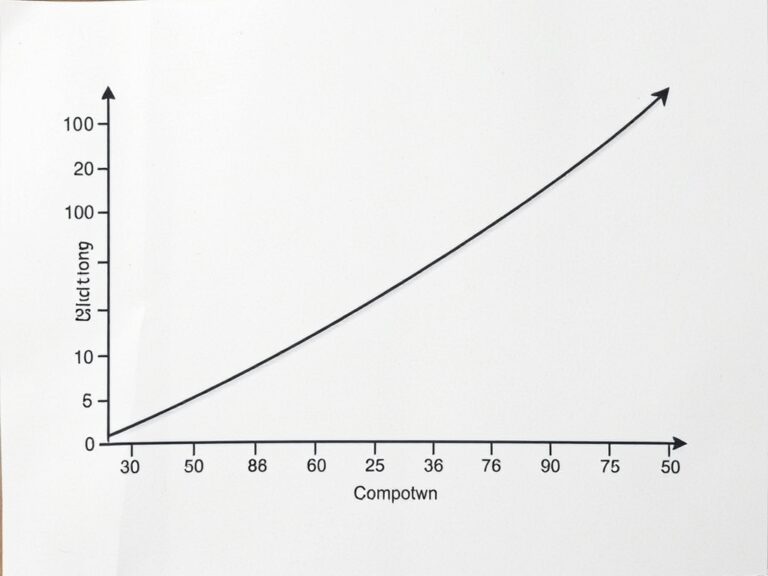
When you let your investments sit and grow, the interest earns its own interest, creating a snowball effect. This is how ordinary people build extraordinary wealth over the long haul. Focus on building a boring, reliable portfolio rather than gambling on the latest volatile stock market hype. Time is your most valuable asset here, so starting today is far more important than starting with a huge amount of capital.
Maintaining Resilience: Managing Debt and Protecting Your Wealth
No wealth-building plan is complete without a strategy for managing debt and protecting your assets. High-interest debt is a massive anchor that slows your progress and diminishes your potential for compounding. Prioritize paying off high-interest credit cards as if your financial life depended on it, because it does. Once high-interest debt is eliminated, focus on maintaining a healthy ‘debt-to-income’ ratio while using credit as a strategic tool rather than a crutch. Simultaneously, you must protect the wealth you are building with proper insurance and estate planning.
- Build an emergency fund covering 3-6 months of living expenses.
- Ensure you have adequate life and health insurance coverage.
- Review your beneficiary designations annually.
- Keep your financial documents organized and accessible.
- Regularly audit your progress against your long-term goals.
Protecting your wealth is just as important as generating it; a single catastrophic financial event can wipe out years of hard work if you aren’t prepared. Resilience is the final piece of the puzzle, ensuring that when life throws a curveball, you remain on your path to prosperity. Mastering these foundations is not a one-time event, but an ongoing process of refinement and discipline. Keep your eyes on the prize and continue educating yourself every single day.