

Plain-English Market Analysis: Understanding Economic Indicators and Market Movements Simply
Decoding the Market: Why Economic Indicators Matter
Have you ever looked at the stock market news and felt like you needed a PhD just to understand the headlines? You are definitely not alone, and the good news is that market analysis isn’t as complicated as Wall Street wants you to believe. At its core, the economy is just a giant feedback loop driven by human behavior, spending habits, and business growth. When we talk about economic indicators, we are essentially looking at the ‘vital signs’ of this massive organism to predict where it might head next. Think of these indicators like the dashboard in your car, showing you speed, fuel levels, and engine temperature before you experience a breakdown. By learning to read these signals in plain English, you can stop guessing and start making smarter financial decisions. Whether you are a beginner investor or just curious about why prices move, understanding these fundamentals is your first step toward true financial literacy. Let’s break down the noise and focus on what actually moves the needle in your portfolio. Throughout this guide, we will explore key metrics that even the pros watch closely. It is time to peel back the layers of complexity and see the market for what it truly is: a map of collective opportunity.

The Big Three: GDP, Inflation, and Interest Rates
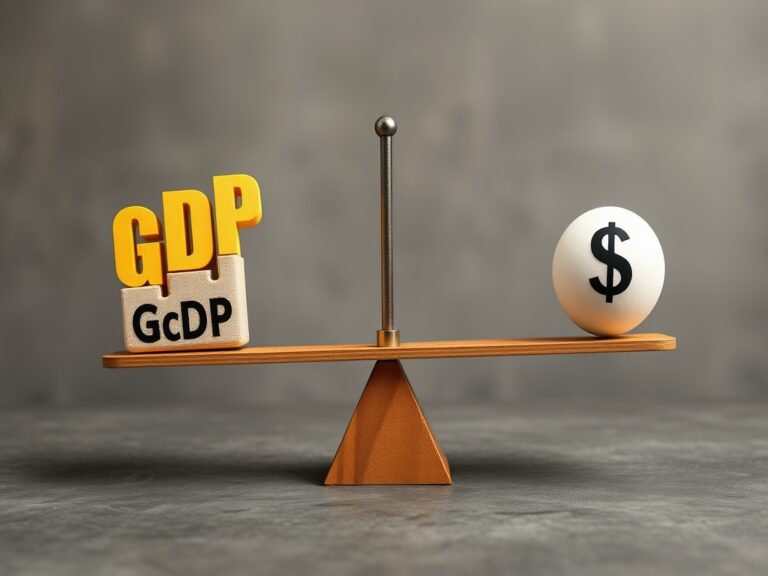
If there are three things you should track, it is definitely Gross Domestic Product (GDP), Inflation, and Interest Rates. First, GDP acts as the total score of the economy, measuring the value of all goods and services produced within a country over a specific time. If GDP is rising, businesses are hiring, people are spending, and the economy is generally healthy and expanding. On the flip side, we have inflation, which is essentially the rate at which prices rise over time, often described as ‘too much money chasing too few goods.’ When inflation spikes, your purchasing power drops, which leads us directly to the role of the central bank. Central banks manage interest rates as a tool to balance these forces, raising them to cool down an overheating economy or lowering them to stimulate growth. Here is a simple breakdown of how this affects you:
- High interest rates: Borrowing gets expensive, which usually slows down spending and cools inflation.
- Low interest rates: Borrowing is cheap, encouraging businesses to expand and consumers to buy homes or cars.
- Stable rates: Provide a predictable environment for long-term investing.
Understanding this tug-of-war is the secret sauce to anticipating market shifts before they dominate the evening news cycle.
Employment Data: The Human Side of the Market
Nothing moves the stock market quite like the monthly jobs report, and there is a very practical reason for this. Employment is the ultimate indicator of consumer confidence; when people have steady jobs, they have the disposable income to drive retail sales and demand for services. If you see high unemployment numbers, the market often reacts negatively because it signals that businesses are tightening their belts. Conversely, a tight labor market where unemployment is low can sometimes trigger fears of inflation, as businesses raise wages to compete for talent. It is a delicate balance that investors monitor with hawk-like intensity every single month. When you see news about non-farm payrolls, you are seeing a snapshot of how many people are entering or leaving the workforce. Investors look for consistent, sustainable job growth rather than massive spikes, which can indicate an unsustainable bubble. Keep in mind that wage growth is just as important as the raw number of jobs created, as it dictates future spending capacity. By keeping an eye on these headlines, you can better understand why the market might be reacting to real-world events on the ground. Remember, a thriving labor market is the bedrock of a resilient and growing national economy.
Putting It All Together: Your Simple Strategy
Now that we have covered the basics, how do you actually apply this to your own financial life without getting overwhelmed? The best approach is to stop obsessing over every daily movement and focus on the long-term trends revealed by these indicators. Avoid the temptation to react emotionally to headlines; instead, use them to validate your existing investment thesis or identify potential changes in the wind. A solid strategy involves maintaining a diversified portfolio that can withstand temporary volatility caused by shifting economic data. If interest rates are rising, you might look at how that impacts sectors like tech or housing versus banks. If inflation remains high, you might consider assets that traditionally act as a store of value. Above all, stay curious and keep learning about how these simple concepts link together to form a complex global network. You don’t need a Bloomberg terminal to be an informed participant in the market; you just need to keep your focus on the big picture. Start by setting aside ten minutes a week to check major economic updates rather than checking your stock price every hour. By simplifying your view of the market, you empower yourself to make calm, rational decisions that stand the test of time. Happy investing, and remember that patience is the greatest asset any investor can possess in the modern economy!