
Essential Foundational Concepts for Building Sustainable Long-Term Wealth
Building Your Financial Foundation: The First Steps
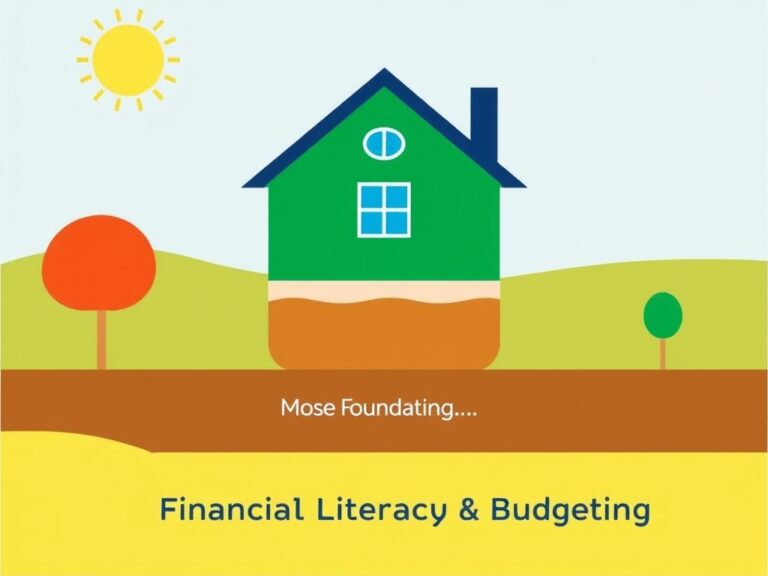
Welcome, friend! If you’ve ever felt overwhelmed by the complex world of finance, take a deep breath; you’re not alone. Building sustainable long-term wealth isn’t about getting rich overnight with a lucky lottery ticket or a risky trade; it’s about setting a steady, intentional pace. Think of your financial future like building a sturdy house: you need a solid foundation before you start worrying about the crown molding. The very first step is shifting your mindset from short-term gratification to long-term value creation. You need to assess your current net worth—essentially, what you own minus what you owe—to get a clear picture of your starting line. Start by tracking your expenses, because you cannot manage what you do not measure. This phase is less about depriving yourself and more about gaining clarity on where your money goes. By identifying ‘leaks’ in your spending, you unlock capital that can be put to work elsewhere. Remember, consistency is the hidden ingredient that transforms small, manageable changes into massive results over time. Are you ready to stop running on the treadmill of paycheck-to-paycheck living and start building an asset base? Let’s dive into these foundational concepts together, keeping it practical, simple, and effective for your life.
The Power of Compound Interest and Time
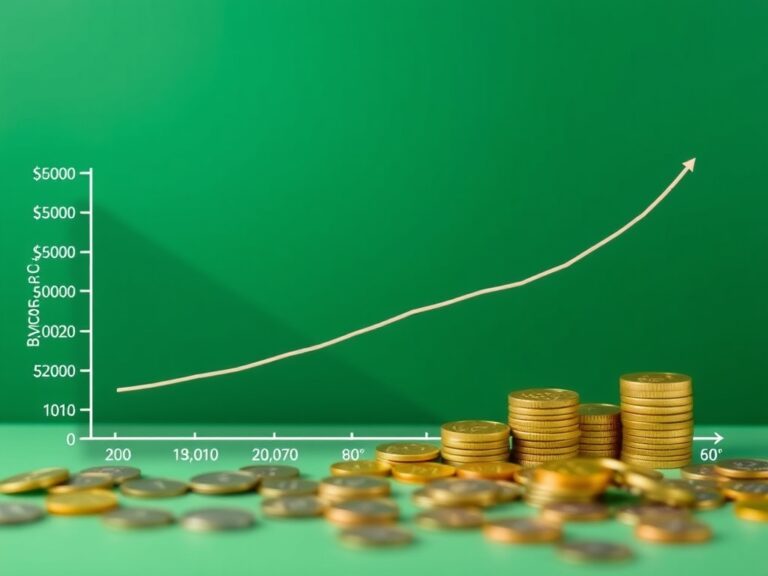
If there is one ‘magic’ secret to wealth, it is undoubtedly the power of compound interest. Albert Einstein famously called it the eighth wonder of the world, and he wasn’t exaggerating. Compound interest is the interest you earn on your interest, which creates a snowball effect that grows exponentially over several decades. To leverage this, you must start investing as early as possible, even if the amount seems small to begin with. The longer your money has to grow, the less heavy lifting you have to do later in life. Consider these core components of a growing portfolio:
- High-Yield Savings Accounts: For your emergency fund.
- Low-Cost Index Funds: For diversified, long-term growth.
- Tax-Advantaged Accounts: Like 401(k)s or IRAs to minimize your tax burden.
By keeping your investment costs low and your time horizon long, you allow the math to do the heavy lifting for you. It’s not about timing the market; it’s about time in the market, which remains the most reliable strategy for building lasting prosperity. Don’t look at the daily fluctuations of the stock market; instead, view your investments as seeds that need time, patience, and the right conditions to turn into a forest. Stay disciplined, avoid the panic, and let the compounding effect work its quiet miracle on your net worth.
Mastering Debt and Financial Leverage
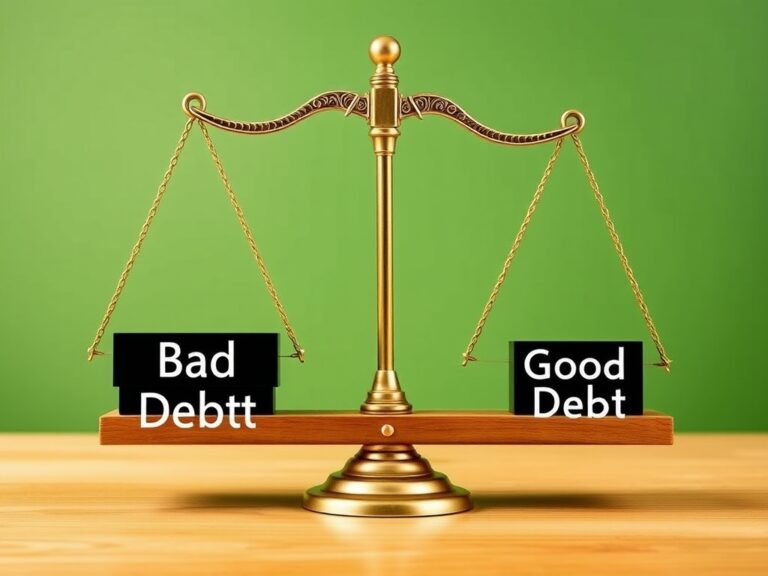
Debt is a double-edged sword that can either hold you back or help you propel forward. Not all debt is created equal, and understanding the difference between ‘good debt’ and ‘bad debt’ is crucial for your long-term success. Bad debt typically carries high interest rates—think credit cards or personal loans used for depreciating assets—and should be tackled with a ‘debt avalanche’ or ‘debt snowball’ strategy immediately. Conversely, good debt, such as a low-interest mortgage or a small business loan, can act as leverage to acquire assets that appreciate or generate income. The goal here is to keep your debt-to-income ratio low so you aren’t living for the bank. If your monthly interest payments are eating your cash flow, you’ll never have enough left over to invest in your future. Focus on paying off those high-interest accounts first to stop the ‘leaking’ of your wealth. By mastering your relationship with debt, you free up massive amounts of monthly cash flow that can be redirected toward wealth-building activities. Think of this process as cleaning up your balance sheet so you have the freedom to make better financial decisions. Financial freedom isn’t about having zero debt forever, but rather about having total control over how debt impacts your life and your portfolio.
The Importance of Diversification and Risk Management
Never put all your eggs in one basket; it is an age-old piece of advice for a reason. To build sustainable wealth, you must understand how to manage risk through diversification. This means spreading your investments across different asset classes—such as stocks, bonds, real estate, and perhaps even commodities—so that when one sector struggles, another can provide a buffer. Diversification doesn’t mean you won’t have down days, but it prevents a single market crash from wiping out your entire life savings. It is essential to determine your risk tolerance early on; don’t chase the hottest trend if it keeps you awake at night. A well-balanced portfolio acts as a shock absorber during economic downturns, allowing you to stay the course without panicking. Think about your asset allocation like a balanced diet; you need a variety of inputs to stay healthy. Review your investments at least once or twice a year to ensure they are still aligned with your long-term financial goals. If you find one asset class has grown too large, rebalance it by selling a portion and moving it into an underperforming one to maintain your desired risk profile. By building a robust, diversified strategy, you are essentially insulating your future self from the unpredictability of the global economy and ensuring your path to wealth remains intact.