

The Ultimate Guide to Health, Home, Auto Care, and Lifelong Education
🌿 Cultivating a Foundation of Holistic Health
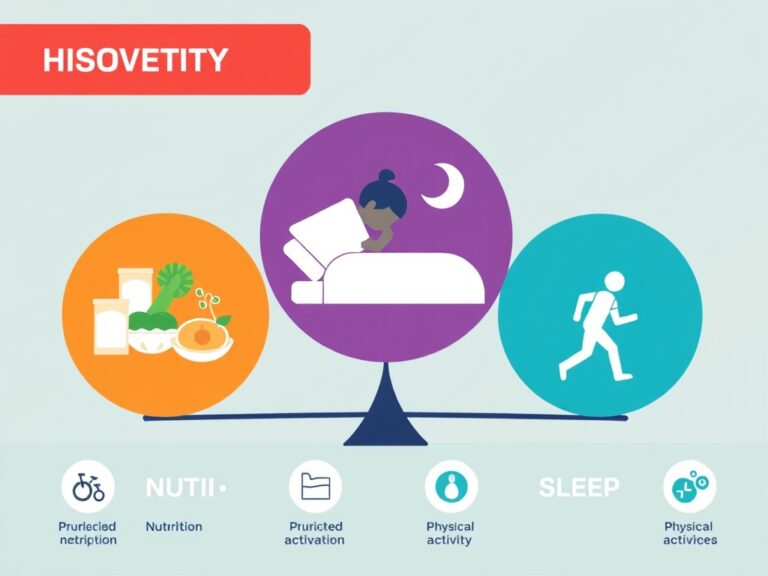
Welcome to your all-in-one roadmap for living a balanced and productive life! Starting with holistic health, it is vital to remember that your body is the engine that drives everything else you do. You should focus on a diet rich in whole foods, emphasizing leafy greens, lean proteins, and complex carbohydrates to maintain steady energy levels throughout the day. Hydration is equally important; aim for at least eight glasses of water daily to keep your cognitive functions sharp and your skin glowing. Exercise shouldn’t feel like a chore, so find an activity you love, whether it is yoga, weightlifting, or brisk walking in nature. Consistency is much more effective than intensity when it comes to long-term physical fitness and metabolic health. Don’t overlook mental wellness, as stress management is a key component of your overall health profile. Practices like mindfulness meditation or simple deep-breathing exercises can significantly reduce cortisol levels and improve your mood. Setting boundaries with digital devices allows your mind to rest and recover from the constant stream of information overload. Ensure you get 7-9 hours of quality sleep each night to facilitate muscle repair and memory consolidation. Regular check-ups with your doctor are non-negotiable for early detection of potential health issues. Finally, remember that small, incremental changes lead to the most sustainable and life-changing transformations over time.
🏠 Elevating Your Living Space: Home Maintenance & Comfort
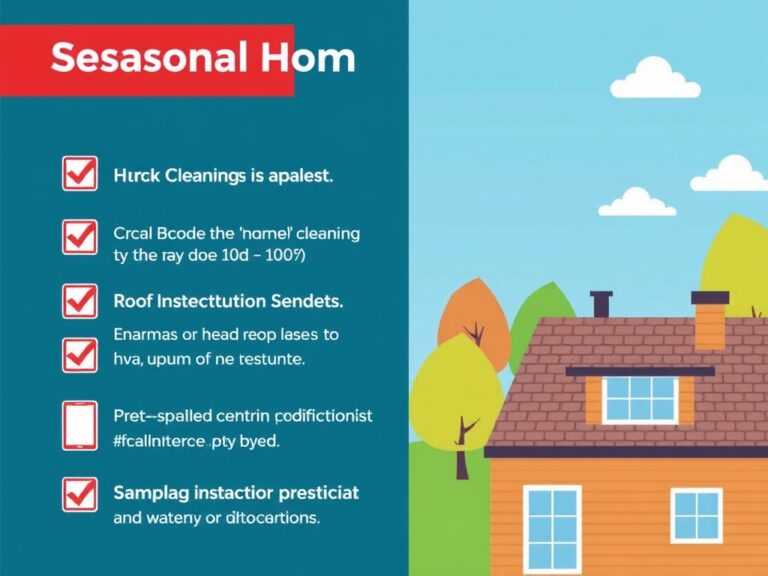
Moving from your internal well-being to your external environment, your home should be a sanctuary of peace and efficiency. Regular maintenance is the secret to avoiding costly repairs and keeping your property value at its absolute peak. Start by creating a seasonal checklist that includes cleaning gutters, checking smoke detectors, and servicing your HVAC system. A well-organized space leads to a well-organized mind, so decluttering should be a monthly habit rather than an annual event. Consider these organizational tips for a smoother daily routine:
- Use vertical storage to maximize small rooms and keep floors clear.
- Label bins in the pantry for quick access to healthy ingredients.
- Designate a specific ‘drop zone’ for keys and mail to prevent clutter.
Investing in smart home technology can also improve your energy efficiency and overall home security. Simple upgrades like a programmable thermostat or LED lighting make a huge financial difference over several years. Don’t forget the importance of ‘curb appeal’ by maintaining your lawn or balcony garden for a positive first impression. Indoor air quality can be improved significantly by adding air-purifying plants like Snake Plants or Peace Lilies to your living room. Lighting plays a massive role in mood, so try to incorporate as much natural light as possible during the daylight hours. Your home is a reflection of your personality, so take the time to decorate with items that bring you genuine joy. By staying proactive with your living space, you ensure a comfortable and safe environment for yourself and your family.
🚗 Master Your Machine: The Essentials of Auto Care
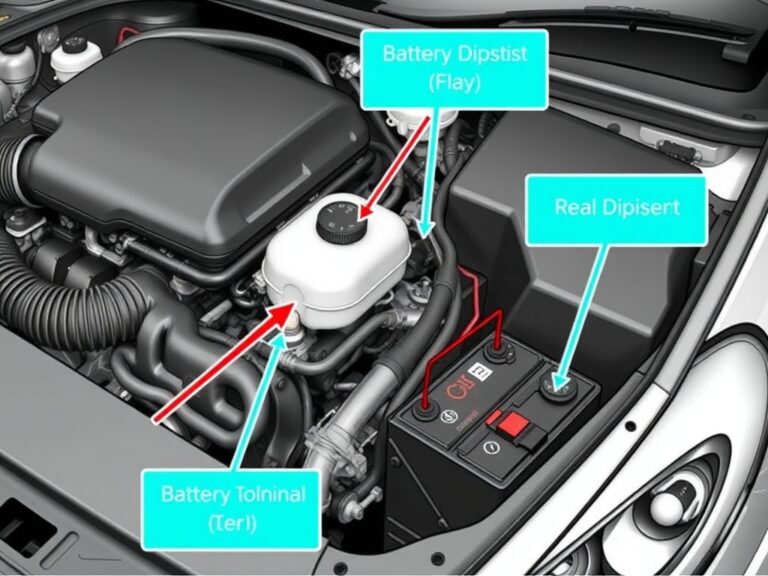
Just as you care for your home, your vehicle requires consistent attention to ensure auto safety and mechanical longevity. Most drivers wait for a warning light to appear, but the best approach for your wallet is preventative maintenance. Checking your oil levels and tire pressure every month is a simple task that can save you thousands in repair costs in the long run. Make sure your tires have adequate tread depth to maintain grip during rainy or icy conditions on the road. Understanding your vehicle’s owner manual is like having a cheat code for car care; it tells you exactly when to replace belts and filters. Don’t ignore strange noises like squealing brakes or clunking sounds, as these are often early warning signs of mechanical failure. Keeping your car clean isn’t just about aesthetics; it prevents rust and protects the exterior paint from environmental damage. Here are three things every driver should keep in their trunk for emergencies:
- A set of high-quality jumper cables for dead batteries.
- A portable tire inflator for unexpected leaks.
- A basic first-aid kit and a high-powered emergency flashlight.
Fuel efficiency is another major factor to consider, so avoid aggressive driving and unnecessary idling whenever possible. Regularly replacing your windshield wipers ensures you always have a clear and safe view of the road ahead. If you aren’t comfortable doing mechanical work yourself, build a relationship with a trusted local mechanic who knows your car. Safe driving habits combined with a well-maintained machine will get you to your destination safely every single time.
📚 The Power of Lifelong Education and Skill Acquisition
Finally, let’s talk about the most valuable asset you possess: your mind and the pursuit of lifelong education. In a rapidly changing world, the ability to learn new skills is often more important than the specific degrees you already hold. Continuous learning keeps your brain active and can even delay the onset of age-related cognitive decline. You don’t need to return to a formal classroom to expand your horizons; the modern internet offers infinite educational resources. Consider the following ways to stay intellectually sharp and professionally relevant:
- Enroll in online courses through platforms like Coursera or Udemy for specific skills.
- Listen to educational podcasts during your daily commute to turn travel time into learning time.
- Join a local book club or professional networking group to engage in deep discussions.
Developing a habit of reading just 20 minutes a day can expose you to thousands of new ideas every single year. Don’t be afraid to step out of your comfort zone and learn something completely unrelated to your current job. Whether it’s a new language, a musical instrument, or basic coding, the process of learning builds resilience and confidence. Personal development is a lifelong journey, not a destination, so celebrate the small milestones along the way. Teaching others what you’ve learned is one of the best ways to solidify your own understanding of a complex topic. Stay curious, ask questions, and never settle for the status quo in your personal or intellectual life. By investing in your education today, you open doors to new career opportunities and a much more fulfilling life.