
Understanding the Economy: A Plain-English Guide to Market Trends and Indicators
Decoding the Economic Maze: Why Market Trends Matter
Have you ever watched the evening news and felt like the reporters were speaking a different language? You are not alone; understanding the economy can often feel like trying to decipher ancient hieroglyphics. At its core, the economy is simply the collective heartbeat of our daily transactions, investments, and spending habits. When we talk about market trends, we are really just looking at the pulse of that heartbeat to see if it is steady or racing. 📈 By learning to interpret these signals, you can make smarter decisions about your savings, your career, and your financial future. This guide is designed to strip away the jargon and give you a plain-English perspective on the forces that shape our world. We will look at how simple indicators serve as a roadmap for where we have been and where we might be heading. It is not about predicting the future with a crystal ball, but rather understanding the current terrain. Let’s dive into the essential metrics that every savvy individual should keep on their radar to stay ahead of the curve. Being informed is your best defense against market volatility and your greatest asset for long-term growth.

The Big Three: GDP, Inflation, and Employment
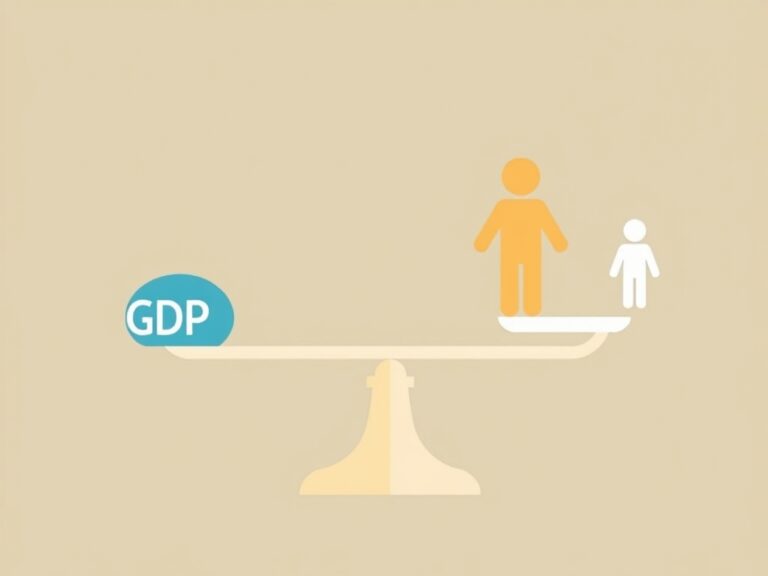
To grasp the health of the economy, economists rely on three primary pillars: Gross Domestic Product (GDP), inflation, and employment rates. Think of GDP as the total scorecard for everything a country produces; if it is going up, the economy is generally expanding. However, we also have to keep a close eye on inflation, which is the sneaky rate at which the cost of goods and services climbs over time. 🛒 If inflation outpaces your income, your purchasing power effectively shrinks, which is why cost-of-living adjustments are so vital. Meanwhile, the employment rate acts as a thermometer for consumer confidence; when people are working, they spend, which fuels further growth. Here is a quick breakdown of why these matter:
- GDP Growth: Signals overall production health.
- CPI (Inflation): Tracks the price of your grocery basket.
- Unemployment Data: Indicates labor market tightness and wage pressure.
Balancing these three is like trying to keep a spinning top upright; too much speed can lead to overheating, while too little causes it to tip over into a recession. Monitoring these indicators regularly will help you understand the broader narrative of our financial climate.
Interest Rates and the Role of Central Banks
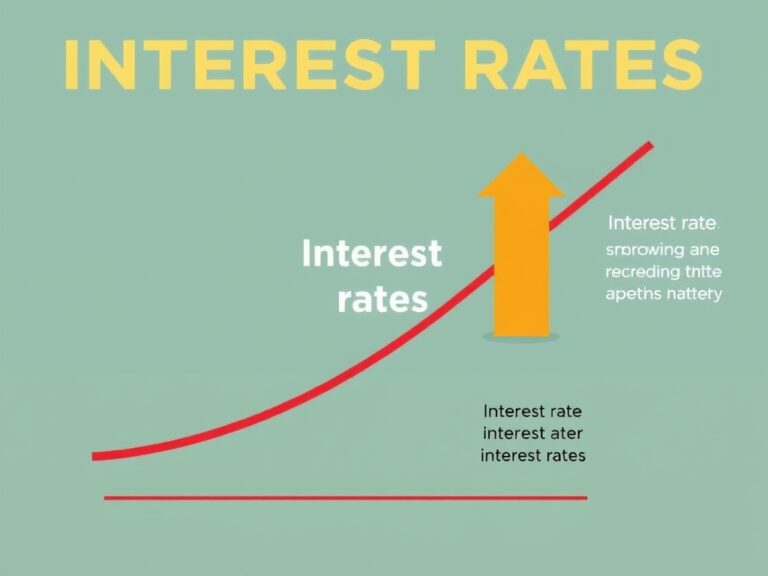
Perhaps the most influential lever in the economic machine is the interest rate, managed by institutions like the Federal Reserve. When the economy is moving too fast and inflation is high, central banks often raise rates to cool things down by making borrowing more expensive. 🏦 Conversely, when the economy is sluggish, they lower rates to encourage people to take out loans for homes, cars, or business expansion. This delicate monetary policy affects everything from the interest you pay on your credit card to the returns on your savings account. Understanding this relationship helps you time your big purchases, such as buying a home or refinancing debt. It is a constant tug-of-war between fostering growth and keeping prices stable for the average citizen. When rates are low, it is usually a great time to borrow, but it can also signal that the economy needs a jumpstart. When rates are high, borrowing becomes a burden, but your savings might actually start earning a decent yield again. Being aware of these shifts empowers you to pivot your financial strategy accordingly, rather than being caught off guard by changing banking policies.
Putting It All Together: Your Action Plan
Now that we have covered the basics, you might be wondering how to apply this knowledge to your daily life. The key is to avoid reactionary behavior and instead focus on long-term financial literacy and stability. 💡 Start by setting aside ten minutes a week to check major economic headlines or reliable financial news sources. You don’t need to be an expert analyst to spot patterns like rising prices or shifts in employment trends. Use these insights to stress-test your own budget:
- Are you keeping a robust emergency fund?
- Are your investments diversified across different sectors?
- Is your debt manageable under current interest rate environments?
By keeping a clear head and a steady hand, you can navigate market fluctuations with confidence instead of fear. Remember, the economy is a cycle, not a constant state, and every phase offers unique opportunities if you know where to look. Stay curious, stay informed, and treat your personal finances as a growing business that you are managing with care. Ultimately, the best way to predict your financial future is to actively shape it through smart, informed choices based on the indicators we’ve discussed today.