
Decoding the Markets: A Plain-English Guide to Economic Indicators and Trends
Understanding Economic Indicators: Your Compass in the Market
Have you ever glanced at a financial news headline and felt like you were reading a foreign language? Economic indicators can feel daunting, but they are essentially the vital signs of our global economy, telling us whether things are heating up or cooling down. Think of these metrics as a dashboard for your investment strategy, providing the clarity you need to navigate market volatility. In this guide, we are going to strip away the jargon and break down exactly what you need to track. By focusing on simple, actionable data, you can move from feeling overwhelmed to making informed, confident decisions. Whether you are a seasoned trader or just beginning to dip your toes into the world of investing, understanding these trends is your best defense against market uncertainty. Let’s dive into the core components that drive these big moves, starting with the ones that impact your wallet the most. It is all about looking past the daily noise and identifying the genuine shifts in the economic landscape. Ready to sharpen your financial literacy? Let’s decode these trends together, step by step, keeping things plain, simple, and incredibly useful for your long-term success.
The Big Three: GDP, Inflation, and Unemployment
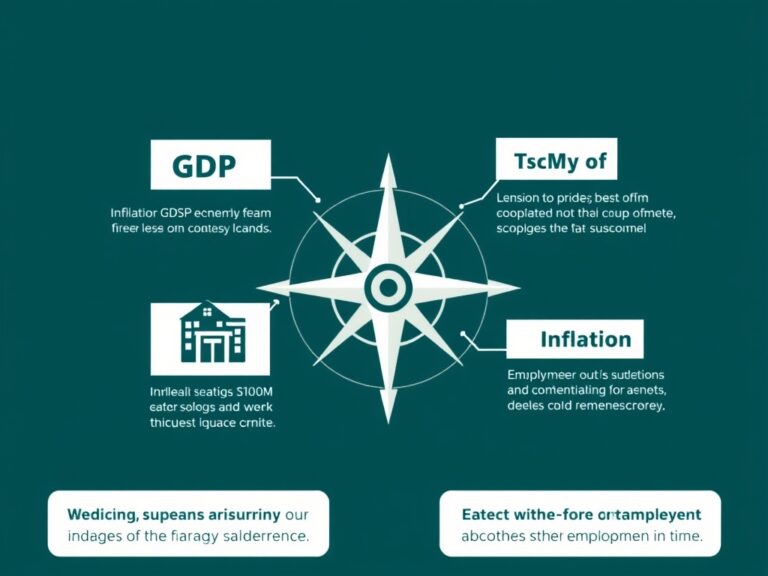
When you want to gauge the overall health of the economy, three heavy hitters deserve your attention: GDP, inflation, and unemployment.
- GDP (Gross Domestic Product): This measures the total value of all goods and services produced, acting as the ultimate report card for economic growth.
- Inflation: Keep a close eye on the Consumer Price Index (CPI), which tracks how prices change for everyday items; when it spikes, your purchasing power drops.
- Unemployment Rate: A low unemployment rate signals a tight labor market, often forcing wages up and stimulating consumer spending.
Watching these three figures provides a panoramic view of how the engine of the economy is running at any given moment. When these numbers align, you can often predict major shifts in interest rates or corporate earnings long before they hit the headlines. Remember, markets are forward-looking machines, meaning they often react to what investors expect these numbers to be rather than what they currently are. Mastering this concept of ‘market anticipation’ is a game-changer for any serious observer of economic trends. By monitoring these three, you ensure you are never caught off guard by sudden shifts in policy or market sentiment.
Decoding Market Sentiment and Consumer Behavior
Beyond the hard data, market sentiment plays a massive role in how prices fluctuate on a day-to-day basis. Consumer confidence surveys are an excellent way to see if people feel optimistic enough to spend their hard-earned money or if they are battening down the hatches. When consumer confidence is high, businesses typically expand, and the stock market reflects that optimism through positive momentum. Conversely, when fear takes the driver’s seat, you will often see a ‘flight to safety’ where investors pull money out of growth stocks and stash it in bonds or precious metals. This psychological element is why even great company reports can sometimes be met with a drop in share price if the broader market sentiment is sour. Learning to read the ‘mood’ of the market is just as vital as reading the balance sheets of the companies you follow. It is not just about the numbers; it is about how people feel about those numbers. By keeping an ear to the ground on consumer sentiment, you gain a distinct advantage in timing your moves. Ultimately, being able to distinguish between temporary panic and a fundamental economic shift is what separates the best investors from the crowd.
Connecting the Dots: How Trends Impact Your Portfolio
Now that we have covered the basics, how do you actually apply this to your own portfolio management? The goal is to connect the dots between what is happening in the global economy and your personal financial assets. If you notice inflation rising consistently, it might be a signal to look at assets that historically hedge against rising costs, such as commodities or real estate. If the labor market is overheating, look for how companies might handle rising wage pressures on their profit margins. This isn’t about having a crystal ball; it is about playing the probabilities based on reliable, historical economic relationships. You don’t need a PhD in economics to start noticing these patterns if you stay consistent with your research. Try setting aside just ten minutes a week to check these key figures and see how they correlate with recent price movements in your favorite sectors. Knowledge is the ultimate risk management tool in the financial world. By staying curious and disciplined, you can filter out the distracting noise and focus on the trends that actually move the needle. Your future self will thank you for taking the time to truly decode the market today.