
Understanding the Economy: A Plain-English Guide to Market Trends and Indicators
Decoding the Economy: Why It Matters to You
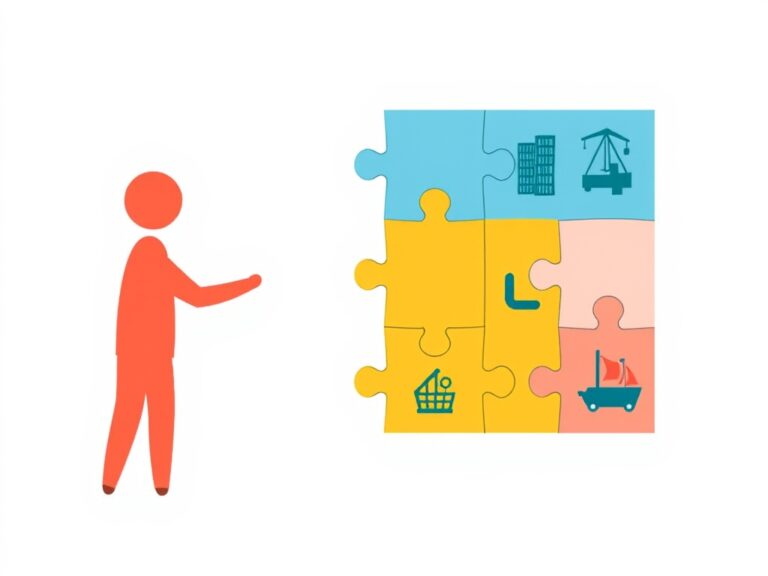
Have you ever watched the news and felt like the economy is speaking a foreign language? You aren’t alone; most people find the jargon surrounding market trends and economic indicators absolutely exhausting. The truth is, the economy isn’t just about Wall Street banks or government policy; it is the heartbeat of your daily financial health. Whether you are budgeting for groceries, planning a vacation, or investing for retirement, understanding the ‘why’ behind price shifts is a superpower. Think of the economy as a massive, interconnected puzzle where every piece—from the price of gas to your local coffee shop’s wages—tells a story. In this guide, we are going to strip away the complex academic fluff and get straight to what actually impacts your wallet. By learning to read these signals, you can move from feeling like a passive observer to an informed participant. Let’s start by demystifying how money moves through the world. Understanding these basics is the first step toward financial literacy and long-term security. Grab a cup of coffee, and let’s make sense of these complex cycles together.
The Big Three: GDP, Inflation, and Unemployment
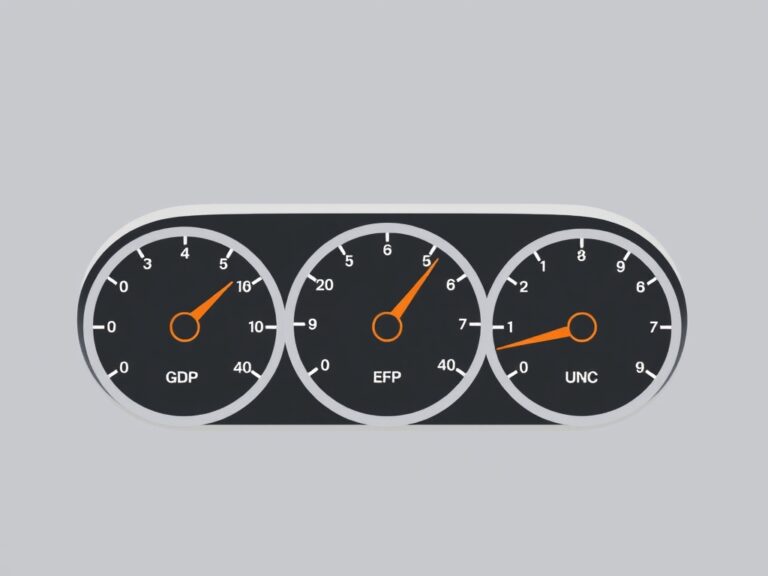
When experts discuss the health of a nation, they usually point to three main indicators: Gross Domestic Product (GDP), Inflation, and the Unemployment Rate. Think of GDP as the total scorecard for a country’s production, measuring every good and service produced within its borders. When GDP is up, businesses are usually thriving, people are spending, and the economy feels vibrant. However, we also have to look at inflation, which represents the rate at which prices rise over time; a little bit is healthy, but too much burns through your savings like wildfire. Then there is the unemployment rate, which acts as a gauge for how many people are actively seeking work but can’t find it. These three metrics are like the ‘vital signs’ of our economic body, providing a quick snapshot of overall health. You should track them because they influence interest rates and your personal purchasing power.
- GDP: The engine of economic growth.
- Inflation: The ‘hidden tax’ on your cash.
- Unemployment: The indicator of labor market strength.
By keeping an eye on these, you can predict potential shifts in your own cost of living before they happen.
How Interest Rates Sway Your Financial Future
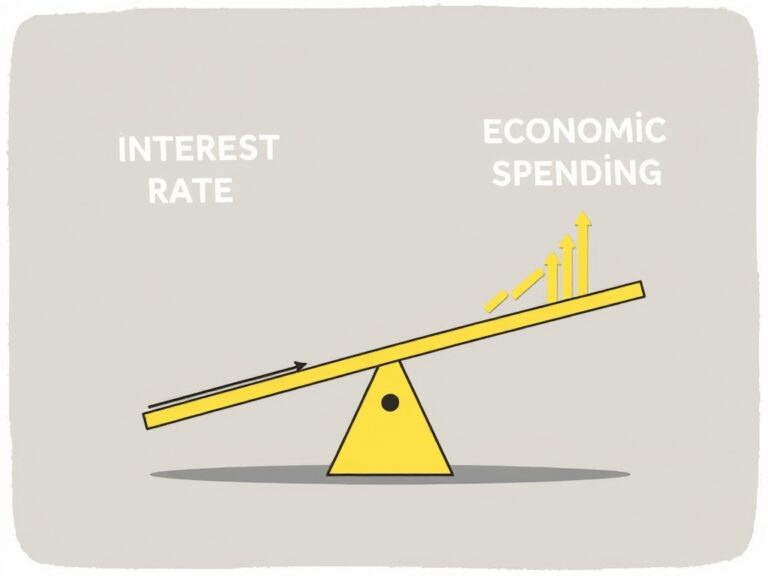
You have probably heard that the Federal Reserve is raising or lowering interest rates, but what does that mean for you? Essentially, interest rates are the ‘price’ of borrowing money, and they act like a thermostat for the entire economy. When the economy is overheating, central banks raise rates to cool down borrowing and slow inflation, which ironically makes your credit card debt or mortgage more expensive. Conversely, when the economy is sluggish, they lower rates to encourage you to borrow and spend, acting as a shot of adrenaline for businesses and households. It is a constant tug-of-war between stimulating growth and keeping prices stable. If you are planning to buy a house, you need to watch these rates closely because even a small percentage shift changes your monthly payment drastically. Investors, on the other hand, treat these rates as the ultimate signal for where to park their capital. Understanding this ripple effect allows you to time your major financial moves much more effectively. It really comes down to whether borrowing is cheap or expensive right now.
Navigating Market Trends with Confidence
Finally, let’s talk about market trends and how to avoid the trap of ‘doom-scrolling’ through negative financial headlines. Markets are naturally cyclical, moving through phases of expansion, peak, contraction, and trough—essentially a cycle of boom and bust. Instead of panicking when you see red charts, remember that these fluctuations are a normal part of the economic ecosystem. You can manage this by focusing on long-term goals rather than day-to-day volatility. Diversification remains your best friend here, as it spreads your risk across different areas like stocks, bonds, or real estate. Always look for reliable sources of data, such as government labor statistics or verified financial institutions, rather than relying on social media rumors. Keep this list of habits in mind for better navigation:
- Stay informed, but don’t obsess over daily drops.
- Focus on your emergency fund to weather the tough cycles.
- Consult with professionals if you feel overwhelmed by complex investments.
By staying grounded and keeping your eyes on your personal horizon, you can thrive regardless of the season. The economy is a force of nature, but you are the captain of your own financial ship.