
Understanding Market Trends: A Plain-English Guide to Economic Indicators
Understanding Market Trends: A Plain-English Guide to Economic Indicators
Have you ever felt like the stock market news is written in a secret language designed to confuse everyone except Wall Street traders? You aren’t alone, as economic indicators can feel like a complex puzzle, but they are actually just snapshots of our financial health. Think of these indicators as the dashboard of your car, providing essential signals about speed, engine temperature, and fuel levels for the entire economy. By learning to read these signals, you can make smarter decisions about your personal investments and understand why prices fluctuate at the grocery store. We’re going to break down these markers into plain English so you can navigate the financial world with confidence. Whether it is inflation, employment data, or consumer spending, these metrics tell a story about where we are heading. Understanding market trends isn’t about having a crystal ball; it’s about interpreting the data that is already right in front of us. In this guide, we will simplify the noise and focus on what truly impacts your wallet. Let’s dive into the fascinating world of macroeconomics and demystify the indicators that move the needle. You don’t need an economics degree to see the patterns; you just need a little guidance to point you in the right direction.
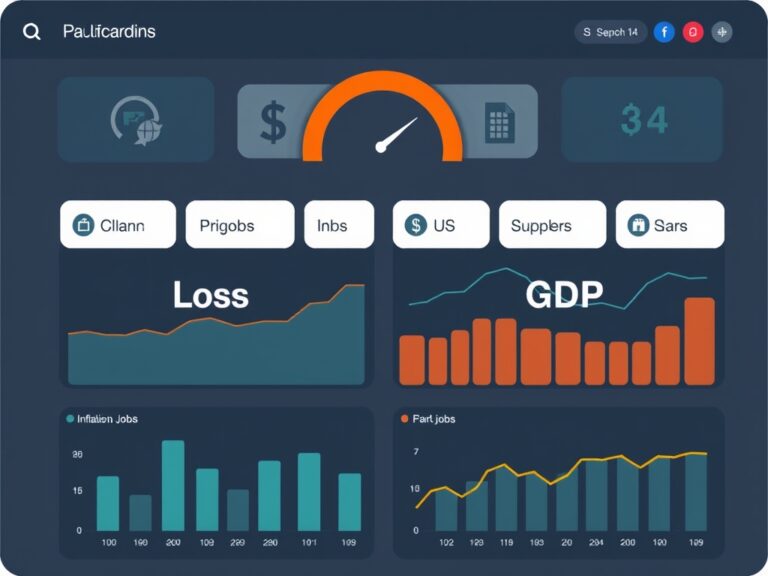
Why Inflation and Interest Rates Matter
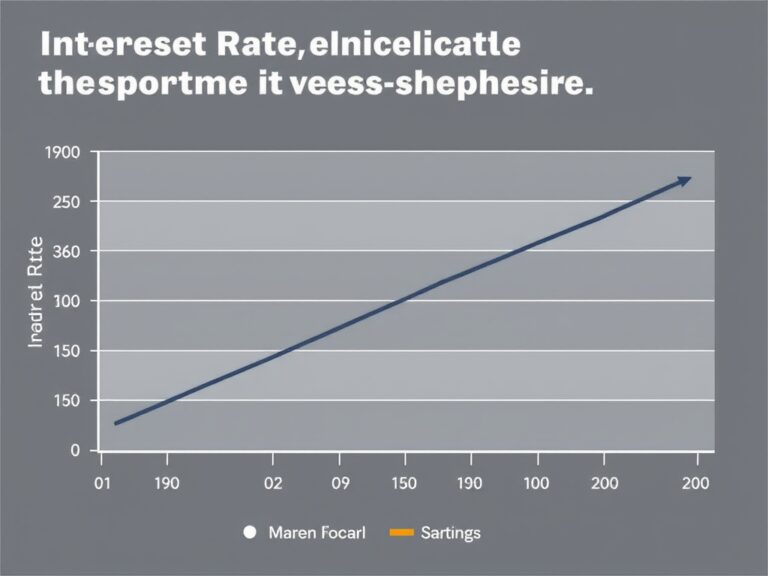
If there is one topic that keeps everyone up at night, it is inflation, which essentially measures the rate at which prices for goods and services increase. When inflation is high, your dollar simply doesn’t stretch as far as it used to, affecting everything from your gas bill to your monthly rent. Central banks often respond to rising inflation by adjusting interest rates, which serve as a lever to cool down or speed up economic activity. If rates go up, borrowing money becomes more expensive, which can slow down consumer spending and business expansion.
- Higher interest rates often lead to higher yields on savings accounts.
- Lower interest rates encourage businesses to take out loans for growth.
- Both scenarios create ripples that touch every sector of the market.
Understanding this relationship helps you predict when it might be a good time to pay down debt or when to seek higher-return investments. It’s a delicate balancing act managed by policymakers to keep the economy from overheating or stalling out. Keep an eye on the Consumer Price Index (CPI), as it is the most common gauge for inflation in your local economy. By keeping a close watch on these shifting rates, you can position your personal finances to weather the changing tides of the fiscal landscape.
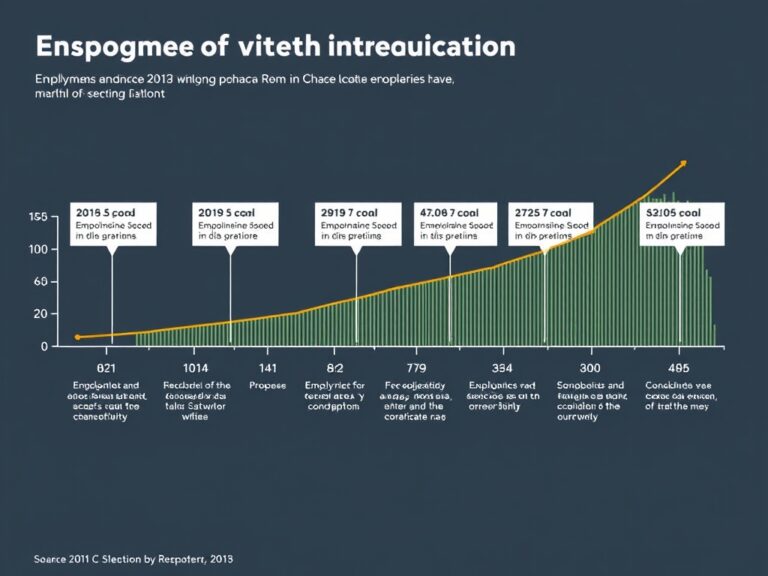
The Employment Picture: Why Jobs Data Drives Trends
The health of the labor market is arguably the most reliable indicator of how well an economy is functioning for everyday people. When you hear about the Non-Farm Payrolls or the unemployment rate, you are hearing about the engine of the economy—the workers themselves. When more people are employed, they have more disposable income to spend, which feeds back into the cycle of business growth and expansion. Conversely, a spike in unemployment can trigger a ripple effect of decreased demand and market caution. Employment data is a major market-mover because it reflects the confidence of both employers and employees. Key points to watch include:
- Job creation numbers across diverse industries.
- Average hourly wage growth, which indicates potential inflation pressure.
- The labor force participation rate, showing how many people are actually seeking work.
When companies are hiring aggressively, it usually suggests they are optimistic about future profits. On the flip side, layoffs or hiring freezes serve as a warning sign that the economy might be heading toward a contraction. Tracking these trends allows you to assess the stability of your own industry and plan your professional moves accordingly. Always remember that a strong labor market is often the precursor to a healthy and thriving national economy.
Consumer Confidence: The Heartbeat of the Market
Finally, we cannot discuss economic indicators without mentioning consumer confidence, which tracks how optimistic or pessimistic people are about their financial future. This metric is essentially a measure of the public mood, and it can act as a leading indicator for future spending patterns. When people feel secure in their jobs and happy with their income, they tend to spend more on big-ticket items like homes, cars, and travel. When they feel anxious about the future, they tighten their budgets, which directly impacts corporate revenue and quarterly earnings reports. Sentiment indices like the University of Michigan Consumer Sentiment Index are widely followed by experts to gauge the pulse of the nation.
- Optimism typically leads to increased retail sales.
- Pessimism acts as a precursor to economic slowdowns.
- Understanding this psychology helps explain irrational market swings.
Even when the hard numbers look okay, a sudden drop in sentiment can warn of impending trouble before it shows up on a balance sheet. By staying tuned to how the public feels, you can better anticipate market volatility and adjust your strategies for long-term stability. Remember, the economy is driven by millions of individual human decisions, making sentiment a vital component of the overall financial picture. Stay informed, keep your long-term goals in sight, and you will navigate these trends with the wisdom of a seasoned pro.