

Foundational Principles for Building Long-Term Wealth: A Strategic Guide
Mastering Your Financial Foundation
Building long-term wealth isn’t a get-rich-quick scheme; it is a marathon that requires discipline, strategy, and patience. Many people believe that wealth is reserved for the lucky few, but the reality is that financial freedom is accessible to anyone who masters the foundational principles. To start, you need to understand that your net worth is not just what you make, but what you keep and how you grow it over time.
- Start by tracking every dollar.
- Understand your cash flow dynamics.
- Eliminate high-interest debt immediately.
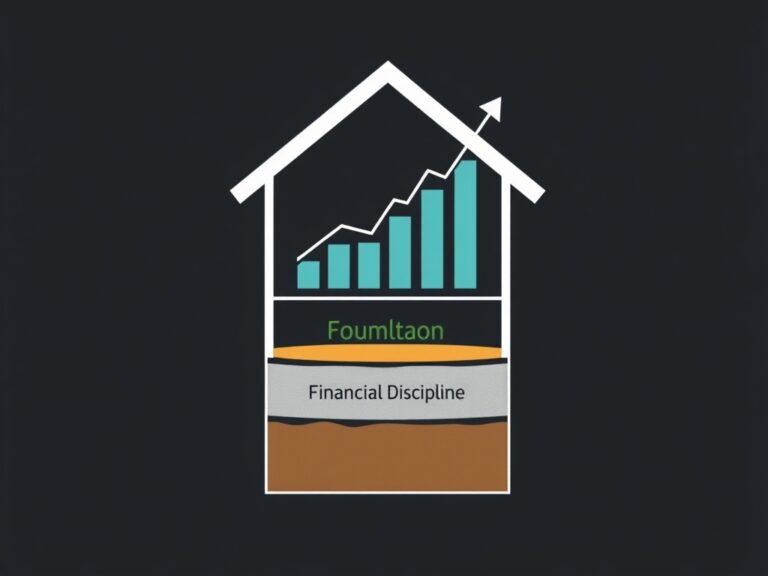
When you take control of your spending, you create the margin necessary for investments. Think of this phase as laying the concrete slab for your future financial home. Without a solid base, even the most ambitious investment portfolios can crumble under economic pressure. Are you ready to commit to the long haul and move beyond short-term gratification? Remember, every wealthy person you admire once started at zero, just like you might be today. Consistency is the secret ingredient that turns small actions into massive compound growth over several decades.
The Power of Compound Growth
If there is one concept you must internalize to build lasting riches, it is the miracle of compound interest. Albert Einstein famously called it the eighth wonder of the world because of how it accelerates wealth accumulation exponentially rather than linearly. When you invest early, your returns generate their own returns, creating a snowball effect that eventually takes on a life of its own.
- Reinvest all dividends and capital gains.
- Utilize tax-advantaged accounts like 401(k)s or IRAs.
- Increase your contributions annually as your income grows.
Even small, consistent monthly contributions can turn into substantial sums if you give them enough time to mature. Do not be discouraged by current market volatility, as time in the market is significantly more powerful than timing the market perfectly. By automating your investments, you remove the emotional burden of trying to guess where the economy is headed next. Focus on a diversified portfolio that spreads risk across multiple asset classes to protect your capital. Over twenty or thirty years, this strategy will likely outperform the vast majority of active traders who constantly chase the latest trends. Stay focused on your long-term horizon and trust the mathematical certainty of compounding.

Strategic Asset Allocation
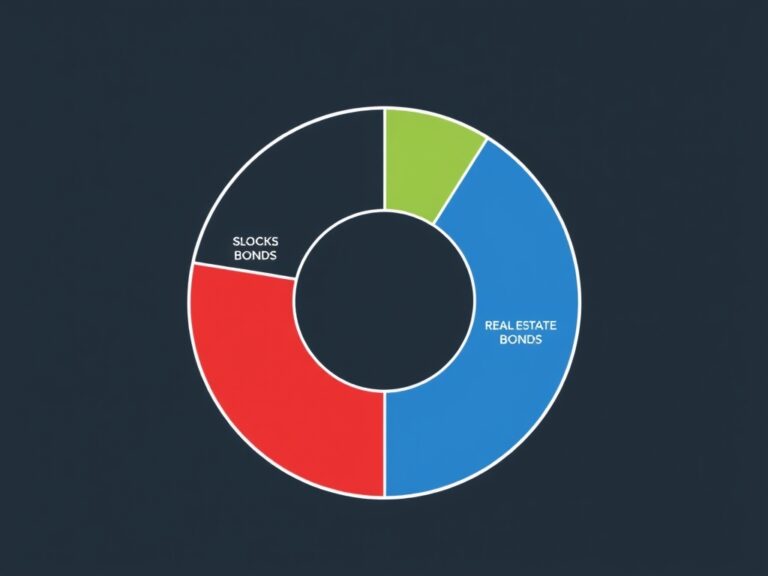
To sustain wealth, you cannot put all your eggs in one basket, which is why asset allocation is a pillar of strategic planning. By spreading your investments across stocks, bonds, real estate, and perhaps alternative assets, you mitigate the risk of a single sector collapse destroying your savings.
- Equities provide the growth engine for your portfolio.
- Fixed-income securities offer a buffer during market downturns.
- Real estate provides tangible assets and potential rental income.
You should regularly rebalance your portfolio to ensure your risk level remains aligned with your personal goals. If the stock market rallies and suddenly makes up 90% of your holdings, it is time to sell some shares and move that money into safer assets to maintain your target mix. This disciplined approach forces you to ‘buy low and sell high’ without needing to predict the future. Diversification does not just protect you from losses; it keeps your financial journey stable during turbulent economic cycles. Consult with financial professionals if you feel unsure about your allocation strategy, but remember that keeping it simple is often superior to complex, fee-heavy products. Your goal is to maximize returns while minimizing the potential for permanent capital loss.
Mindset and Long-Term Vision
Finally, building long-term wealth is as much a psychological challenge as it is a mathematical one. You must cultivate a growth-oriented mindset that values future security over current status symbols or luxury purchases.
- Avoid ‘lifestyle creep’ as your income increases.
- Prioritize investments before luxury spending.
- Keep educating yourself on financial literacy daily.
It is incredibly easy to fall into the trap of spending more just because you are making more, but that is the fastest way to derail your progress. Stay grounded by remembering your ‘why’—whether it is early retirement, traveling, or leaving a legacy for your family. Periodically review your goals to ensure that your current habits still align with your ultimate vision. If you find yourself drifting toward impulse spending, revisit your budget and reconnect with the long-term benefits of your current sacrifices. Surround yourself with people who prioritize financial growth and health to reinforce your own commitments. Success leaves clues, and those who have reached financial independence often share similar habits of patience and focus. You have the power to write your own financial story starting today by making one better decision at a time.